

How to Integrate Sliding Flanges into Your Next Building Project: A Comprehensive Guide
Release time:
2026-02-16
How to Integrate Sliding Flanges into Your Next Building Project Table of Contents 1. Introduction to Sliding Flanges 2. Understanding the Functionality of Sliding Flanges 3. Applications of Sliding Flanges in Construction 4. Benefits of Using Sliding Flanges 4.1 Enhanced Flexibility and Movement 4.2 Reduced Stress on Piping Systems 4.3 Easy Installation and Maintenance 5. Key Co
How to Integrate Sliding Flanges into Your Next Building Project
Table of Contents
1. Introduction to Sliding Flanges
2. Understanding the Functionality of Sliding Flanges
3. Applications of Sliding Flanges in Construction
4. Benefits of Using Sliding Flanges
4.1 Enhanced Flexibility and Movement
4.2 Reduced Stress on Piping Systems
4.3 Easy Installation and Maintenance
5. Key Considerations Before Integration
5.1 Material Compatibility
5.2 Pressure Ratings and Temperature Ranges
6. Step-by-Step Guide to Integrating Sliding Flanges
6.1 Preparation and Planning
6.2 Installation Process
6.3 Testing and Quality Assurance
7. Common Challenges and Solutions
8. Frequently Asked Questions (FAQs)
9. Conclusion
1. Introduction to Sliding Flanges
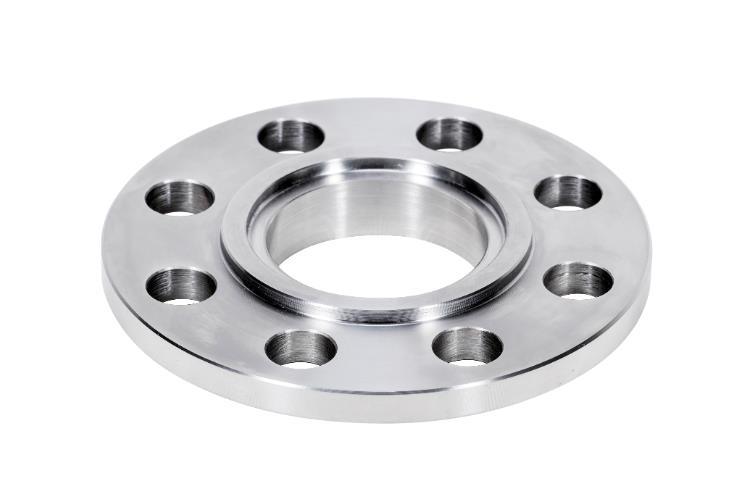
In the realm of construction and piping systems, **sliding flanges** serve as a vital component designed to accommodate thermal expansion and contraction. They are particularly advantageous in environments where temperature fluctuations are common. Understanding how to effectively integrate these flanges into your building project can significantly impact overall system performance and longevity.
2. Understanding the Functionality of Sliding Flanges
Sliding flanges are engineered to enable relative movement between two connected sections of pipe. Unlike traditional fixed flanges, sliding flanges allow for axial movement, which can be crucial in preventing undue stress on joints and piping systems. By absorbing thermal expansion and external forces, sliding flanges help maintain the integrity of the piping system.
3. Applications of Sliding Flanges in Construction
The versatility of sliding flanges makes them suitable for various applications, including:
- **Industrial piping systems**: Where temperature and pressure changes are frequent.
- **Chemical processing plants**: To manage the expansion of materials.
- **Heating, ventilation, and air conditioning (HVAC)** systems: To accommodate changes in system dimensions.
Understanding where and how to apply sliding flanges can enhance the durability and efficiency of your building projects.
4. Benefits of Using Sliding Flanges
Integrating sliding flanges into your building projects offers several distinct advantages:
4.1 Enhanced Flexibility and Movement
Sliding flanges provide critical flexibility in systems that experience regular thermal expansion. This flexibility reduces the risk of joint failure and enhances the overall reliability of the system.
4.2 Reduced Stress on Piping Systems
By allowing for movement, sliding flanges mitigate the stress on piping connections, preventing leaks and structural failures that can compromise system operations.
4.3 Easy Installation and Maintenance
The installation of sliding flanges is generally straightforward, allowing for quicker project timelines. Moreover, their design simplifies maintenance, enabling easy inspections and repairs when necessary.
5. Key Considerations Before Integration
Before proceeding with the integration of sliding flanges, consider the following factors:
5.1 Material Compatibility
Ensure that the materials used for the sliding flanges are compatible with the pipes and fluids being transported. This compatibility is essential to prevent corrosion and deterioration.
5.2 Pressure Ratings and Temperature Ranges
Verify that the sliding flanges meet the required pressure ratings and temperature ranges for your specific application. Inadequate ratings can lead to catastrophic failures.
6. Step-by-Step Guide to Integrating Sliding Flanges
Integrating sliding flanges into your building project requires careful planning and execution. Follow this comprehensive step-by-step guide for a successful installation.
6.1 Preparation and Planning
Begin by assessing the design specifications and requirements of your piping system. Identify the areas where sliding flanges are necessary, and gather all materials and tools needed for installation.
6.2 Installation Process
1. **Cut the Pipe**: Ensure that the pipe sections are cut to the appropriate lengths as per the design specifications.
2. **Align the Flanges**: Position the sliding flanges at each end of the pipe section, ensuring they are aligned correctly.
3. **Secure with Bolts**: Use bolts to fasten the flanges securely, ensuring a tight seal without over-tightening, which can lead to deformation.
4. **Test for Leaks**: After installation, conduct pressure tests to check for leaks and verify that the system is functioning as intended.
6.3 Testing and Quality Assurance
Once the sliding flanges are installed, perform routine inspections and testing to ensure that they are functioning effectively. Regular maintenance checks can prevent unexpected failures and prolong the lifespan of the piping system.
7. Common Challenges and Solutions
Integrating sliding flanges can present several challenges. Being aware of these potential issues allows for proactive solutions.
- **Misalignment of Flanges**: Ensuring proper alignment during installation can prevent leaks. Utilize alignment tools to achieve precise positioning.
- **Corrosion and Wear**: Select sliding flanges made from materials resistant to corrosion. Regular inspections help identify wear before it becomes a serious issue.
8. Frequently Asked Questions (FAQs)
**Q1: What are sliding flanges used for?**
Sliding flanges are primarily used in piping systems to allow for thermal expansion and contraction, preventing stress on pipe joints.
**Q2: How do I choose the right sliding flange?**
Consider factors such as the material compatibility, pressure ratings, and temperature ranges of your specific application.
**Q3: Are sliding flanges easy to install?**
Yes, sliding flanges are generally straightforward to install, but proper alignment and sealing are crucial to ensure effectiveness.
**Q4: What maintenance is required for sliding flanges?**
Regular inspections for leaks and wear, along with addressing any issues promptly, will ensure the longevity and efficiency of sliding flanges.
**Q5: Can sliding flanges be used in all piping systems?**
While they are versatile, it’s essential to assess the specific requirements of your piping system to determine compatibility and effectiveness.
9. Conclusion
Integrating sliding flanges into your building project is not only a wise choice but also an essential step toward ensuring the durability and efficiency of your piping systems. By understanding their functionality, applications, and installation processes, you can leverage their benefits to enhance your construction projects. With careful planning, regular maintenance, and attention to detail, sliding flanges can significantly improve the performance and reliability of your systems, leading to successful project outcomes. Embrace the advantages of sliding flanges, and elevate your next building project to new heights!
Latest developments
Quality Standards in the Forging of Stainless Steel Products: Ensuring Excellence in Metallurgy
Quality Standards in the Forging of Stainless Steel Products Table of Contents Introduction to Stainless Steel Forging The Importance of Quality Standards in Forging Types of Stainless Steel Used in Forging Common Forging Processes in Stainless Steel Manufacturing Quality Assurance Methodologies in Stainless Steel Forging Testing and Certification of Stainless Steel Products Global
Understanding Non-Standard Flanges: A Key Component in Architectural Applications
Non-standard flanges are specialized components that deviate from conventional sizing and design specifications. Unlike standard flanges, which adhere to established dimensions and pressure ratings, non-standard flanges are custom-made to meet unique project requirements. These flanges are crucial in various architectural and construction applications, particularly when dealing with unconventional
The Importance of Quality Control for Japanese Standard Flanges: Ensuring Durability and Reliability
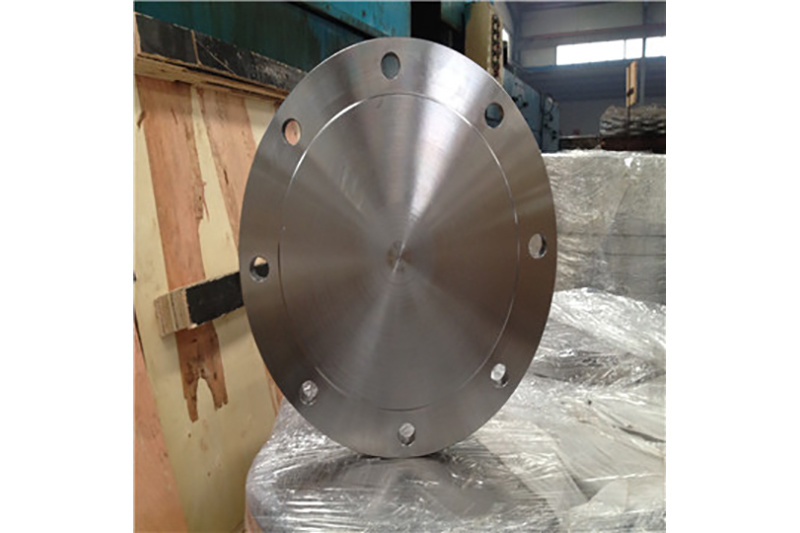
The Importance of Quality Control for Japanese Standard Flanges In the construction and manufacturing sectors, the significance of quality control cannot be overstated, especially for components as crucial as flanges. Japanese standard flanges, known for their precision and durability, require stringent quality control measures to meet the demands of various applications. This article delves into
Understanding American Standard Flange in Construction and Decoration Materials
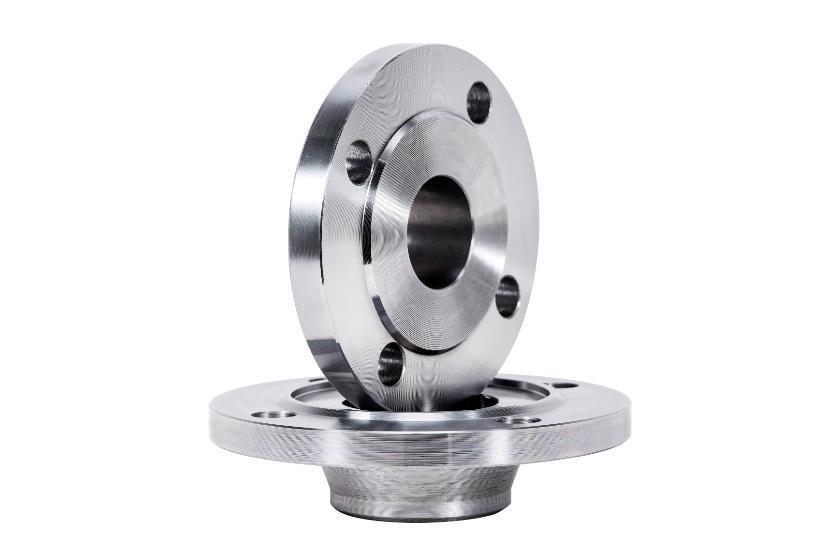
American standard flanges are critical components in the field of construction and decorative materials, particularly in piping systems. These flanges adhere to specific standards established by organizations such as the American National Standards Institute (ANSI) and the American Society of Mechanical Engineers (ASME). Their design and specifications are essential for ensuring compatibility and
Exploring the Advantages of Using Threaded Flanges in HVAC Systems
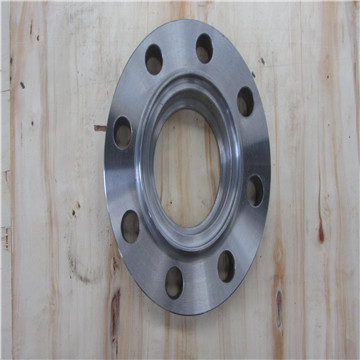
Exploring the Advantages of Using Threaded Flanges in HVAC Systems Table of Contents 1. Introduction to Threaded Flanges in HVAC 2. Understanding Threaded Flanges 3. Benefits of Using Threaded Flanges in HVAC Systems 3.1 Superior Sealing Capability 3.2 Ease of Installation and Maintenance 3.3 Cost-Effectiveness 3.4 Versatility i

The Essential Guide to Flanged Connections in Building and Decorative Materials
Flanged connections are vital components in the construction and decorative materials sector, especially in the context of piping systems and fittings. Understanding their function, design, and application can significantly enhance the efficiency and reliability of installations. A flanged connection involves two flanges, which are flat pieces of material with holes for bolts. These flanges are bo
Shandong Xinhao Forging Co.,Ltd.
Tel:+86-15098858482
WeChat: 543983004
Email:xinhaoflange@gmail.com
Whatsapp:8615098858482
Website:www.xhflange.com

TikTok