

Understanding the Material Choices for Japanese Standard Flanges: A Comprehensive Guide
Release time:
2026-02-28
Understanding the Material Choices for Japanese Standard Flanges Table of Contents 1. Introduction to Japanese Standard Flanges 2. Types of Japanese Standard Flanges 3. Material Options for Japanese Standard Flanges 3.1 Stainless Steel Flanges 3.2 Carbon Steel Flanges 3.3 Alloy Steel Flanges 3.4 Plastic Flanges 4. How to Select the
Understanding the Material Choices for Japanese Standard Flanges
Table of Contents
- 1. Introduction to Japanese Standard Flanges
- 2. Types of Japanese Standard Flanges
- 3. Material Options for Japanese Standard Flanges
- 4. How to Select the Right Material for Your Flanges
- 5. Advantages and Disadvantages of Different Materials
- 6. Industry Applications of Japanese Standard Flanges
- 7. Maintenance and Care for Flanges
- 8. Frequently Asked Questions
- 9. Conclusion
1. Introduction to Japanese Standard Flanges
In the realm of construction and decoration, **flanges** are indispensable components that play a crucial role in connecting pipes, valves, and other equipment. **Japanese standard flanges** are known for their precise manufacturing standards, ensuring a perfect fit and robust performance in various applications. Understanding the materials used in these flanges is essential for selecting the right one for your project, whether it's for industrial systems or decorative installations.
2. Types of Japanese Standard Flanges
Japanese standard flanges come in various types, tailored to meet diverse requirements. The most common types include:
- **Weld Neck Flanges**
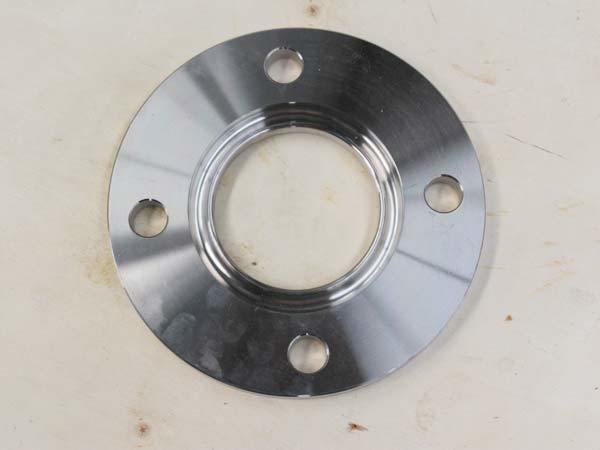
- **Slip-On Flanges**
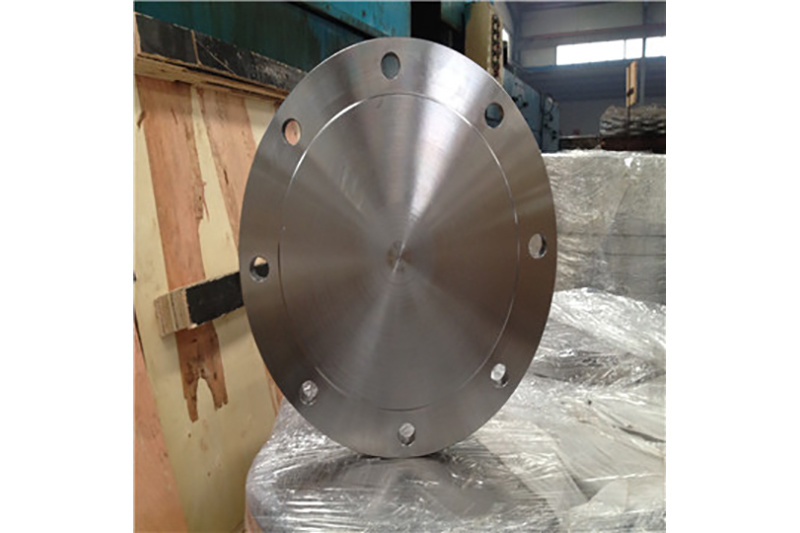
- **Blind Flanges**
- **Socket Weld Flanges**
- **Threaded Flanges**
Each type serves a specific purpose and has unique characteristics that make it suitable for particular applications.
3. Material Options for Japanese Standard Flanges
The choice of material significantly impacts the performance and longevity of flanges. Here, we explore the primary materials used in the manufacturing of Japanese standard flanges.
3.1 Stainless Steel Flanges
**Stainless steel** is one of the most popular materials for flanges due to its exceptional resistance to corrosion and high durability. Commonly used grades include 304 and 316 stainless steel, each offering unique properties:
- **Grade 304**: Known for its excellent corrosion resistance and weldability, making it suitable for various applications, including food processing and chemical industries.
- **Grade 316**: Offers superior corrosion resistance, especially in saline environments, making it ideal for marine applications.
Stainless steel flanges are robust, easy to clean, and can withstand high temperatures, making them a preferred choice in many industries.
3.2 Carbon Steel Flanges
**Carbon steel flanges** are favored for their strength and affordability. They contain varying amounts of carbon, which enhances their hardness and strength. However, they are prone to corrosion, which necessitates protective coatings or treatments for specific applications.
**Common applications** for carbon steel flanges include:
- Oil and gas
- Power generation
- Water treatment
While they offer great tensile strength, they may not be suitable for high-corrosion environments without additional protective measures.
3.3 Alloy Steel Flanges
**Alloy steel flanges** are made from a blend of carbon steel and other elements, such as chromium, nickel, and molybdenum, to enhance specific properties. These flanges are renowned for their high strength and hardness, making them ideal for high-pressure applications.
### Key Benefits of Alloy Steel Flanges:
- High-temperature resistance
- Excellent toughness
- Enhanced wear resistance
These flanges are commonly used in the aerospace, automotive, and construction industries.
3.4 Plastic Flanges
**Plastic flanges** are gaining popularity, especially in industries focusing on corrosion resistance and lightweight materials. Common plastics used include PVC, PP, and PTFE.
**Advantages of plastic flanges**:
- Corrosion resistance
- Lightweight
- Cost-effective
While they might not handle high pressures as effectively as metal flanges, they are often used in chemical processing and water treatment applications where corrosion resistance is paramount.
4. How to Select the Right Material for Your Flanges
Choosing the correct material for Japanese standard flanges involves several considerations:
- **Application Requirements**: Assess the operational environment, including temperature, pressure, and exposure to corrosive substances.
- **Mechanical Properties**: Evaluate the strength, ductility, and hardness required for the application.
- **Cost**: Consider the budget for materials while balancing functionality and longevity.
- **Compatibility**: Ensure the flange material is compatible with the piping materials and the medium being transported.
By carefully analyzing these factors, one can make informed decisions that will enhance the reliability and safety of the installation.
5. Advantages and Disadvantages of Different Materials
A thorough understanding of the advantages and disadvantages of each material can guide effective decision-making.
### Stainless Steel
**Advantages**:
- Excellent corrosion resistance
- High durability
- Versatile for various applications
**Disadvantages**:
- Higher cost compared to carbon steel
- Heavier than some alternative materials
### Carbon Steel
**Advantages**:
- Cost-effective
- High strength and durability
**Disadvantages**:
- Susceptible to corrosion
- May require protective coatings
### Alloy Steel
**Advantages**:
- Superior strength and toughness
- Good high-temperature performance
**Disadvantages**:
- Higher cost
- Requires careful handling during installation
### Plastic
**Advantages**:
- Corrosion resistant
- Lightweight and easy to install
**Disadvantages**:
- Limited pressure tolerance
- May not be suitable for high-temperature applications
6. Industry Applications of Japanese Standard Flanges
Japanese standard flanges are integral to numerous industries, including:
- **Oil and Gas**: Used in pipelines and refineries for safe transport of hydrocarbons.
- **Chemical Processing**: Essential for connecting various equipment in corrosive environments.
- **Construction**: Employed in building structures, plumbing, and HVAC systems.
- **Water Treatment**: Utilized in systems that require corrosion-resistant materials.
With their versatility, these flanges cater to diverse operational demands across multiple sectors.
7. Maintenance and Care for Flanges
To ensure the longevity and performance of flanges, regular maintenance and care are crucial:
1. **Inspection**: Regularly inspect for signs of corrosion, wear, or damage.
2. **Cleaning**: Clean flanges to remove any accumulated debris or contaminants.
3. **Lubrication**: Apply suitable lubricants to threaded areas to prevent seizing.
4. **Replacement**: Replace worn or damaged flanges promptly to avoid leaks or failure.
Adhering to these maintenance practices will enhance the lifespan of flanges and ensure system reliability.
8. Frequently Asked Questions
**Q1: What are Japanese standard flanges?**
A1: Japanese standard flanges are precision-engineered components used for connecting pipes, valves, and fittings according to specific Japanese industrial standards.
**Q2: How do I choose the right flange material?**
A2: Consider the application requirements, mechanical properties, cost, and compatibility with existing materials when selecting flange materials.
**Q3: Are plastic flanges as strong as metal flanges?**
A3: Plastic flanges are lightweight and resistant to corrosion but typically do not handle high pressures as effectively as metal flanges.
**Q4: Can I use carbon steel flanges in a corrosive environment?**
A4: While carbon steel flanges can be used in such environments, they require protective coatings to mitigate corrosion risks.
**Q5: How often should I inspect flanges?**
A5: Flanges should be inspected regularly, especially in high-stress environments or where corrosive materials are involved.
9. Conclusion
Understanding the material choices for Japanese standard flanges is vital for ensuring the success of any construction or decorative project. By considering factors such as application requirements, performance capabilities, and maintenance needs, one can make informed decisions that lead to reliable and efficient installations. Whether opting for stainless steel, carbon steel, alloy steel, or plastic flanges, each material presents unique advantages and challenges that must be weighed carefully.
By arming ourselves with knowledge about these materials, we can ensure the integrity and longevity of our projects, thereby optimizing performance and safety in various industrial and construction applications.
Latest developments

Understanding High Neck Flanges: Essential Components for Construction and Decorating Materials
High neck flanges are specialized fittings used in piping systems to connect pipes, valves, pumps, and other equipment. They are characterized by a raised or "high" neck that extends from the flange face. This design feature affects the way the flange fits into the overall piping system, providing advantages in terms of strength and stability. One of the key benefits of high neck flanges is their
Flat Flanges in Fire Protection Systems: A Comprehensive Overview
Flat Flanges in Fire Protection Systems: A Comprehensive Overview Introduction to Flat Flanges in Fire Protection In the realm of fire protection systems, **flat flanges** serve as fundamental components that ensure the seamless connection and functionality of piping systems. These flanges play a crucial role in maintaining pressure and facilitating the smooth flow of fire suppression agents. Unde
Steel industries forgings represent a crucial aspect of manufacturing within the construction sector, particularly when it comes to durable and high-quality materials. Forging is a process that involves shaping metal using localized compressive forces, resulting in products that boast enhanced strength and integrity. This technique is especially important in the construction and decorative materia
Quality Standards in the Forging of Stainless Steel Products: Ensuring Excellence in Metallurgy
Quality Standards in the Forging of Stainless Steel Products Table of Contents Introduction to Stainless Steel Forging The Importance of Quality Standards in Forging Types of Stainless Steel Used in Forging Common Forging Processes in Stainless Steel Manufacturing Quality Assurance Methodologies in Stainless Steel Forging Testing and Certification of Stainless Steel Products Global
Understanding Non-Standard Flanges: A Key Component in Architectural Applications
Non-standard flanges are specialized components that deviate from conventional sizing and design specifications. Unlike standard flanges, which adhere to established dimensions and pressure ratings, non-standard flanges are custom-made to meet unique project requirements. These flanges are crucial in various architectural and construction applications, particularly when dealing with unconventional
The Importance of Quality Control for Japanese Standard Flanges: Ensuring Durability and Reliability
The Importance of Quality Control for Japanese Standard Flanges In the construction and manufacturing sectors, the significance of quality control cannot be overstated, especially for components as crucial as flanges. Japanese standard flanges, known for their precision and durability, require stringent quality control measures to meet the demands of various applications. This article delves into
Shandong Xinhao Forging Co.,Ltd.
Tel:+86-15098858482
WeChat: 543983004
Email:xinhaoflange@gmail.com
Whatsapp:8615098858482
Website:www.xhflange.com

TikTok