

Understanding Non-Standard Flanges: A Key Component in Construction and Decoration
Release time:
2026-03-03
Non-standard flanges are specialized fittings that do not conform to the widely accepted dimensions and specifications found in standard flange types. These flanges are often custom-designed to meet the unique requirements of specific projects or applications. In industries such as construction, plumbing, and HVAC, non-standard flanges serve crucial functions, including connecting pipes, valves, p
One of the primary reasons for using non-standard flanges is the need for customization. Many construction projects require precise measurements and specifications to accommodate specific materials or to fit into constrained spaces. For instance, when retrofitting existing systems or working with unique architectural designs, standard flanges may not provide the necessary fit or functionality. In such cases, non-standard flanges allow for tailored solutions that perfectly align with project requirements.
Another important aspect of non-standard flanges is their versatility. They can be produced in various materials, such as stainless steel, carbon steel, and plastic, making them suitable for a wide range of environments, including corrosive conditions. This adaptability allows engineers and designers to choose the right materials based on the specific demands of the project, thereby enhancing durability and longevity.
When considering the use of non-standard flanges, it’s essential to collaborate closely with manufacturers or suppliers who specialize in custom solutions. Engaging with experienced professionals can help ensure that the flanges are accurately designed and fabricated to meet the required specifications. Additionally, these experts can provide valuable insights into material selection, manufacturing processes, and installation techniques, further contributing to the success of the overall project.
Furthermore, non-standard flanges can be beneficial in terms of performance. By choosing flanges that are specifically designed for unique applications, project managers can achieve better sealing capabilities, improved pressure resistance, and reduced risk of leaks. This attention to detail can lead to significant cost savings in the long run by minimizing maintenance needs and prolonging the lifespan of the piping system.
In summary, non-standard flanges are indispensable tools in the construction and decoration industries, providing customized solutions that meet specific project needs. Their versatility, adaptability, and performance benefits make them essential for ensuring the efficiency and reliability of piping systems. By understanding the importance of non-standard flanges, professionals can better navigate the complexities of their projects and deliver outstanding results.
Latest developments
A Beginner's Comprehensive Guide to Understanding Sliding Flanges in Plumbing
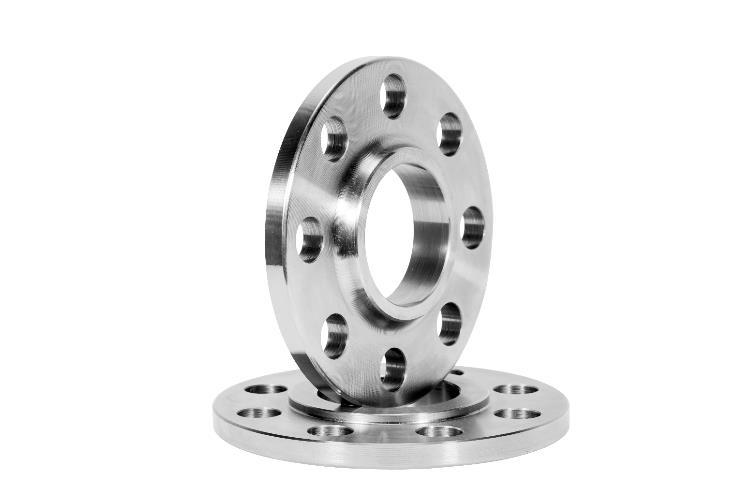
A Beginner's Comprehensive Guide to Understanding Sliding Flanges in Plumbing Table of Contents What Are Sliding Flanges? The Importance of Sliding Flanges in Plumbing Systems Design and Structure of Sliding Flanges Types of Sliding Flanges Used in Plumbing Advantages of Using Sliding Flanges Installation Process for Sliding Flanges Maintenance Tips for Sliding Flanges Common Misc

Understanding High Neck Flanges: Essential Components for Construction and Decorating Materials
High neck flanges are specialized fittings used in piping systems to connect pipes, valves, pumps, and other equipment. They are characterized by a raised or "high" neck that extends from the flange face. This design feature affects the way the flange fits into the overall piping system, providing advantages in terms of strength and stability. One of the key benefits of high neck flanges is their
Flat Flanges in Fire Protection Systems: A Comprehensive Overview
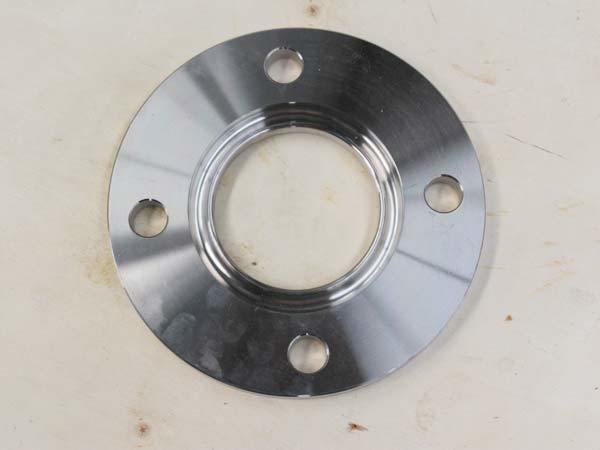
Flat Flanges in Fire Protection Systems: A Comprehensive Overview Introduction to Flat Flanges in Fire Protection In the realm of fire protection systems, **flat flanges** serve as fundamental components that ensure the seamless connection and functionality of piping systems. These flanges play a crucial role in maintaining pressure and facilitating the smooth flow of fire suppression agents. Unde
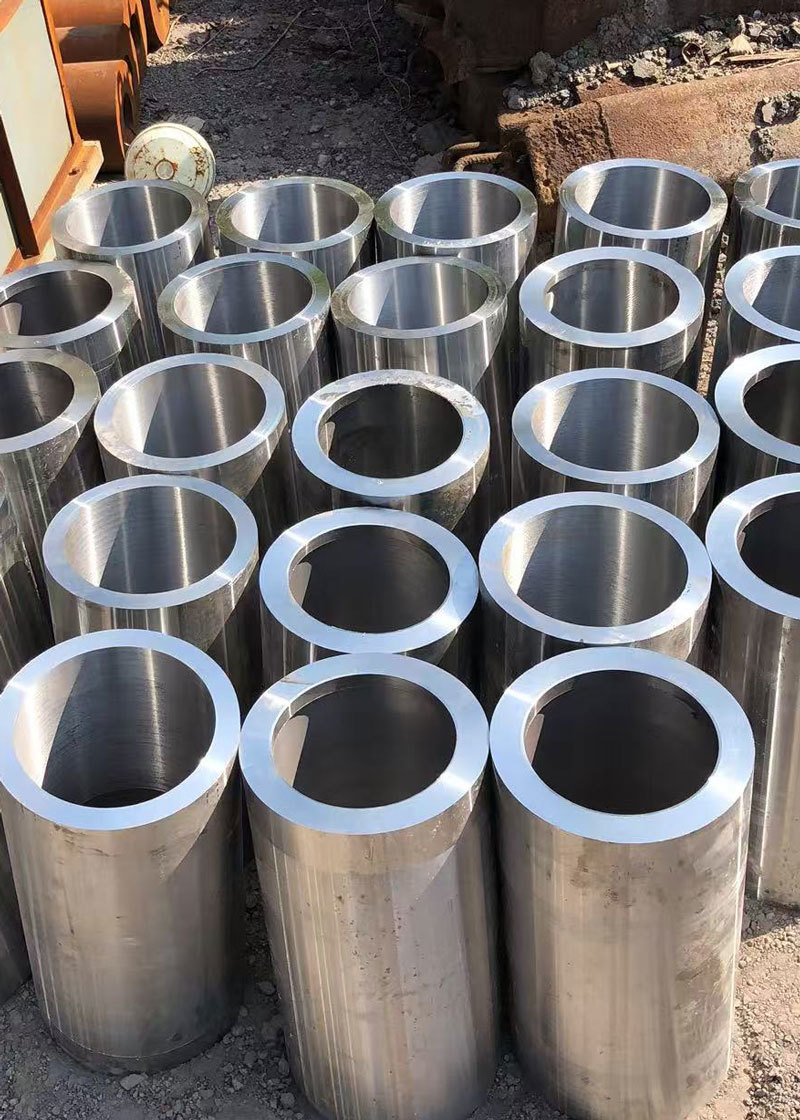
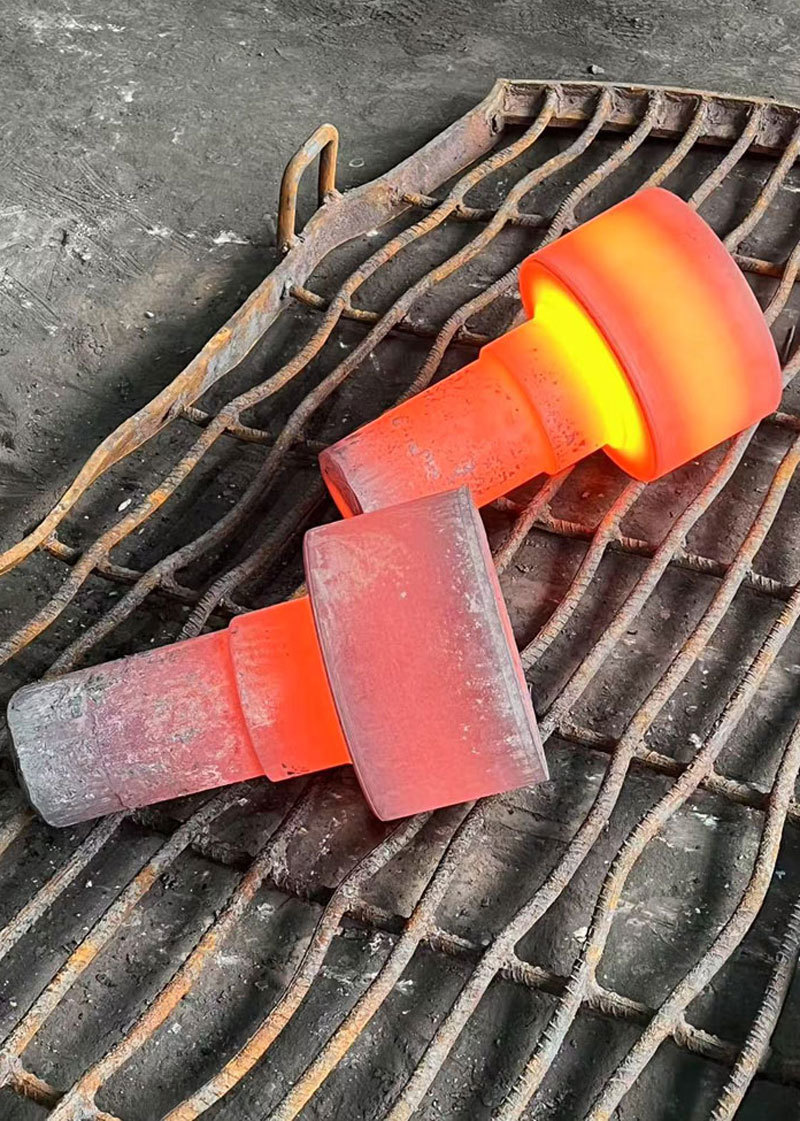
Steel industries forgings represent a crucial aspect of manufacturing within the construction sector, particularly when it comes to durable and high-quality materials. Forging is a process that involves shaping metal using localized compressive forces, resulting in products that boast enhanced strength and integrity. This technique is especially important in the construction and decorative materia
Quality Standards in the Forging of Stainless Steel Products: Ensuring Excellence in Metallurgy
Quality Standards in the Forging of Stainless Steel Products Table of Contents Introduction to Stainless Steel Forging The Importance of Quality Standards in Forging Types of Stainless Steel Used in Forging Common Forging Processes in Stainless Steel Manufacturing Quality Assurance Methodologies in Stainless Steel Forging Testing and Certification of Stainless Steel Products Global
Understanding Non-Standard Flanges: A Key Component in Architectural Applications
Non-standard flanges are specialized components that deviate from conventional sizing and design specifications. Unlike standard flanges, which adhere to established dimensions and pressure ratings, non-standard flanges are custom-made to meet unique project requirements. These flanges are crucial in various architectural and construction applications, particularly when dealing with unconventional
Shandong Xinhao Forging Co.,Ltd.
Tel:+86-15098858482
WeChat: 543983004
Email:xinhaoflange@gmail.com
Whatsapp:8615098858482
Website:www.xhflange.com

TikTok