

Why Japanese Standard Flanges Are Essential for HVAC Systems
Release time:
2026-03-30
Why Japanese Standard Flanges Are Essential for HVAC Systems Table of Contents Introduction to Japanese Standard Flanges The Importance of Flanges in HVAC Systems Overview of Japanese Standards for Flanges Types of Japanese Standard Flanges Used in HVAC Benefits of Using Japanese Standard Flanges Installation Guidelines for Japanese Standard Flanges Maintenance Practic
Why Japanese Standard Flanges Are Essential for HVAC Systems
Table of Contents
- Introduction to Japanese Standard Flanges
- The Importance of Flanges in HVAC Systems
- Overview of Japanese Standards for Flanges
- Types of Japanese Standard Flanges Used in HVAC
- Benefits of Using Japanese Standard Flanges
- Installation Guidelines for Japanese Standard Flanges
- Maintenance Practices for Longevity
- Comparing Japanese and Other Standards
- Frequently Asked Questions
- Conclusion
Introduction to Japanese Standard Flanges
In the realm of HVAC systems, **Japanese standard flanges** are indispensable components that significantly contribute to the functionality and efficiency of heating, ventilation, and air conditioning installations. These flanges act as connectors between various system parts, ensuring a secure, leak-free operation that is crucial for maintaining optimal environmental conditions. Their design and engineering conform to specific standards that enhance performance, durability, and ease of installation.
The Importance of Flanges in HVAC Systems
Flanges serve as essential links in HVAC systems, connecting pipes, valves, and equipment. They provide vital junctions where different components join, allowing for the seamless flow of air and fluids. A well-designed flange ensures that systems function efficiently and prevents any potential leaks that could compromise performance or safety. Moreover, the proper use of flanges reduces the risk of damage to other components and minimizes maintenance costs, making them critical for long-term reliability.
Overview of Japanese Standards for Flanges
Japanese standards for flanges, governed by organizations such as the Japanese Industrial Standards (JIS), ensure that these components meet high-quality specifications. These standards cover various factors, including materials, dimensions, pressure ratings, and performance attributes. Adhering to these standards guarantees that flanges used in HVAC systems are not only reliable but also compatible with other components, promoting interoperability within different systems.
Key Specifications of Japanese Standard Flanges
Japanese standard flanges are characterized by specific dimensions and pressure ratings tailored for HVAC applications. Common specifications include:
- **Flange Types**: JIS 5K, JIS 10K, and JIS 20K, which denote different pressure ratings.
- **Material Standards**: Typically manufactured from carbon steel, stainless steel, or ductile iron, ensuring durability in varying environments.
- **Surface Finishing**: Smooth finishes are often required to prevent corrosion and facilitate effective sealing.
These attributes ensure that Japanese standard flanges can withstand the rigorous demands of HVAC systems.
Types of Japanese Standard Flanges Used in HVAC
When opting for Japanese standard flanges in HVAC systems, several types are widely utilized. Understanding these options is essential for selecting the right flange for specific applications.
1. Weld Neck Flanges
Weld neck flanges feature a long tapered hub that provides excellent strength and support. They are typically used in high-pressure applications where robust connections are essential.
2. Slip-On Flanges
Slip-on flanges are easy to install and align, making them suitable for less critical applications. They slip over the pipe and are welded both inside and outside for a secure fit.
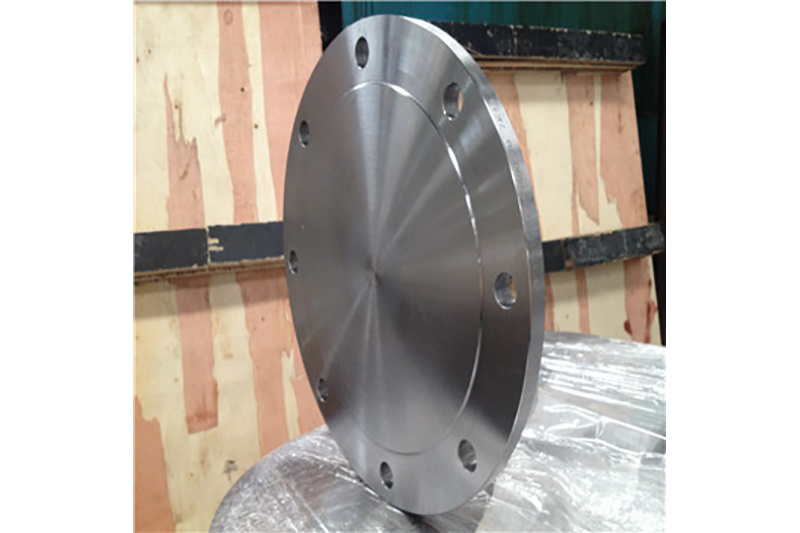
3. Blind Flanges
Blind flanges are used to seal the end of a piping system, preventing leaks from unused or temporary connections. They are crucial in maintenance and testing scenarios.
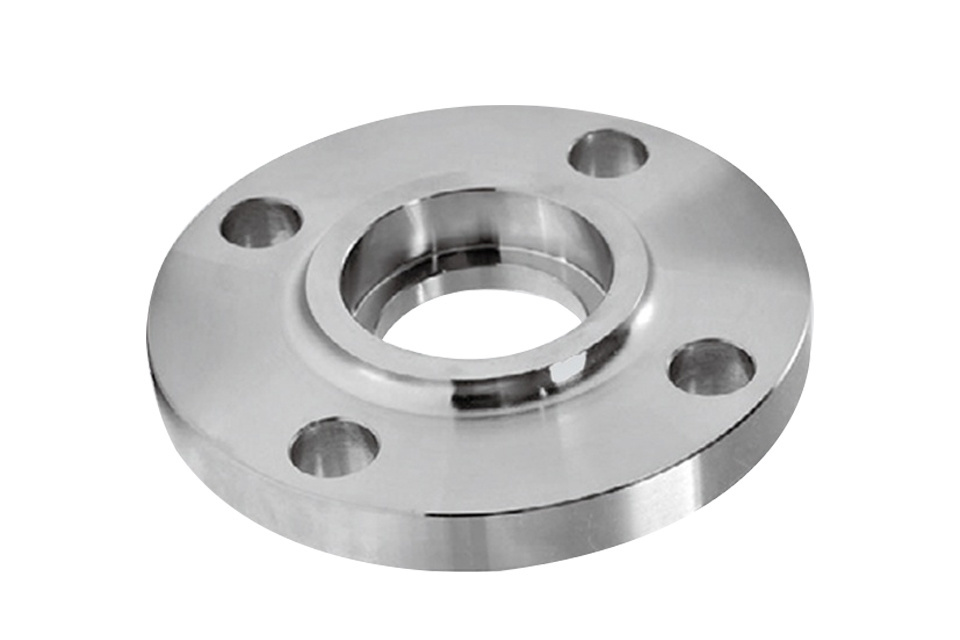
4. Socket Weld Flanges
Socket weld flanges are designed for small-diameter pipes and allow for a smooth internal flow, reducing turbulence and enhancing efficiency.
5. Threaded Flanges
These flanges are used in low-pressure systems and can be easily installed without welding, making them ideal for temporary connections or systems requiring frequent disassembly.
Understanding the various types of Japanese standard flanges available allows HVAC professionals to select the most appropriate option based on the specific requirements of their systems.
Benefits of Using Japanese Standard Flanges
Choosing **Japanese standard flanges** offers a range of advantages that enhance the overall performance and reliability of HVAC systems.
1. High Quality and Reliability
Japanese standards are synonymous with quality. Flanges manufactured under these guidelines are rigorously tested for performance, ensuring they can withstand demanding conditions without compromising integrity.
2. Enhanced Compatibility
The standardized dimensions and specifications of Japanese flanges promote compatibility with various HVAC components. This interoperability reduces installation challenges and enhances system efficiency.
3. Leak Prevention
A critical benefit of using high-quality flanges is their ability to prevent leaks. Properly designed and installed flanges create secure seals that protect HVAC systems from air and fluid loss, promoting energy efficiency.
4. Cost-Effectiveness
While the initial investment in Japanese standard flanges may be higher than non-standard options, the long-term benefits, such as reduced maintenance and increased lifespan, make them a cost-effective choice.
5. Improved Safety
Using reliable flanges minimizes the risk of system failures that could lead to hazardous situations. Their robust construction and reliable sealing mechanisms enhance overall safety in HVAC operations.
Installation Guidelines for Japanese Standard Flanges
Correct installation of Japanese standard flanges is crucial to ensure their effectiveness and longevity. Following best practices during installation can prevent future complications and enhance system performance.
1. Preparation and Inspection
Before installation, inspect all components for damage or defects. Ensure that the flange surfaces are clean and free of debris. Proper preparation sets the foundation for a secure connection.
2. Proper Alignment
Flanges must be aligned accurately to avoid stress and potential failure. Use alignment tools to ensure that the flanges are properly positioned before securing them in place.
3. Use of Gaskets
Incorporating the right gasket material is essential for sealing. Select gaskets that are compatible with the fluids and temperatures of the HVAC system to enhance leak prevention.
4. Torque Specifications
Follow manufacturer's torque specifications closely when tightening bolts. Over-tightening can lead to flange deformation, while under-tightening may result in leaks.
5. Visual Inspections Post-Installation
After installation, conduct visual inspections to ensure that all connections are secure and that there are no signs of leaks. Regular checks can help identify potential issues before they become significant problems.
Maintenance Practices for Longevity
Regular maintenance of flanges is necessary to ensure their continued functionality and reliability in HVAC systems. Implementing these practices can extend their lifespan.
1. Scheduled Inspections
Establish a maintenance schedule that includes regular inspections of flanges and related components. Look for signs of wear, corrosion, or leaks and address any issues promptly.
2. Cleaning
Keep flanges clean to prevent the buildup of dirt and debris that can compromise sealing. Use appropriate cleaning agents that do not damage flange materials.
3. Monitoring Operating Conditions
Keep track of fluid temperatures and pressures within the HVAC system. Abnormal conditions can affect flange performance and may require adjustments or replacements.
4. Replacement of Gaskets
Gaskets may wear out over time and should be replaced as needed. Use high-quality gaskets that match the specifications of the flanges and the HVAC system.
5. Documentation of Maintenance Activities
Maintain records of inspections, maintenance, and any replacements performed. This documentation is valuable for tracking performance trends and planning future maintenance.
Comparing Japanese and Other Standards
When considering flanges for HVAC systems, comparing Japanese standards with other international standards, such as ASME or ANSI, can provide valuable insights.
1. Quality Standards
Japanese standards focus heavily on quality assurance, often incorporating rigorous testing and manufacturing processes that exceed many other international standards.
2. Compatibility Factors
Japanese standard flanges are designed for compatibility with various components, making them versatile in diverse HVAC applications. This contrasts with other standards that may have limitations in certain environments.
3. Cost Considerations
While Japanese flanges may have a higher upfront cost, their durability and reliability can lead to lower overall maintenance expenses and improved system efficiency.
4. Regional Availability
Depending on the region, the availability of certain standards may vary. Japanese standard flanges may be more accessible in specific markets, influencing the choice of materials for HVAC projects.
Frequently Asked Questions
1. What are Japanese standard flanges made from?
Japanese standard flanges are commonly made from carbon steel, stainless steel, and ductile iron, chosen for their strength and durability in HVAC applications.
2. How do I know which flange type to use?
Selecting the appropriate flange type depends on the specific application, including pressure requirements, pipe size, and whether the connection is permanent or temporary.
3. What is the role of a gasket in flange installation?
Gaskets provide a seal between flanges, preventing leaks and ensuring efficient operation of the HVAC system. The correct gasket material is crucial for compatibility with the system's fluids.
4. How often should flanges be inspected?
Flanges should be inspected regularly as part of a scheduled maintenance program, typically every six months, or more frequently in high-demand environments.
5. Can I use non-Japanese standard flanges in HVAC systems?
While non-Japanese standard flanges can be used, they may not provide the same level of reliability and compatibility as Japanese standard flanges, potentially leading to performance issues.
Conclusion
In summary, Japanese standard flanges are essential components in HVAC systems, offering numerous advantages, including high quality, reliability, and effective leak prevention. Their adherence to stringent standards ensures compatibility and durability, making them a preferred choice for professionals in the industry. By understanding the importance of these flanges, their types, and proper installation and maintenance practices, HVAC professionals can ensure optimal performance and longevity of their systems. Investing in high-quality Japanese standard flanges is a decision that ultimately leads to safer, more efficient HVAC operations.
Previous
Latest developments
Why Japanese Standard Flanges Are Essential for HVAC Systems
Why Japanese Standard Flanges Are Essential for HVAC Systems Table of Contents Introduction to Japanese Standard Flanges The Importance of Flanges in HVAC Systems Overview of Japanese Standards for Flanges Types of Japanese Standard Flanges Used in HVAC Benefits of Using Japanese Standard Flanges Installation Guidelines for Japanese Standard Flanges Maintenance Practic
American standard flanges play a pivotal role in the construction and plumbing industries, serving as essential connectors for pipes, valves, and other equipment. These flanges adhere to the American National Standards Institute (ANSI) specifications, ensuring consistency and compatibility in various applications. When selecting American standard flanges, it is crucial to understand their types,
The Environmental Impact of Using Threaded Flanges in Construction
The Environmental Impact of Using Threaded Flanges in Construction Understanding Threaded Flanges and Their Role in Construction Threaded flanges are essential components in various piping systems, facilitating the connection of pipes, valves, and other equipment. These flanges are characterized by their internal threads, allowing for easy assembly and disassembly without welding. In the construct
Understanding Flanged Connections: Key Considerations for Construction and Decorative Materials
Flanged connections serve as critical components in piping systems across various industries, especially in construction and decorative materials. These connections provide a reliable means of joining pipes, valves, and other equipment, ensuring a secure and leak-free operation. The design of flanged connections consists of two flange faces, which are typically bolted together, allowing for easy a
Sliding Flanges: Essential Components for Optimal HVAC Systems
Sliding Flanges: Essential Components for Optimal HVAC Systems Table of Contents 1. Introduction to Sliding Flanges in HVAC Systems 2. Understanding Sliding Flanges: What They Are and How They Work 3. Benefits of Using Sliding Flanges in HVAC Applications 4. Applications of Sliding Flanges in HVAC Systems 5. Key Criteria for Selecting Sliding Flanges 6. Maintenance Tips

quality Forged High Neck Flange manufacturers
The Forged High Neck Flange is manufactured using advanced forging technology. The forging process makes the internal structure of the metal material denser, greatly improving the flange's strength and toughness. Compared to ordinary cast flanges, it can withstand higher pressure and impact forces, ensuring long-term stable use even under complex operating conditions, effectively reducing the risk of damage caused by external impacts.
Shandong Xinhao Forging Co.,Ltd.
Tel:+86-15098858482
WeChat: 543983004
Email:xinhaoflange@gmail.com
Whatsapp:8615098858482
Website:www.xhflange.com

TikTok