

Understanding American Standard Flanges: A Comprehensive Guide for Construction and Decoration Materials
Release time:
2026-03-27
American standard flanges play a pivotal role in the construction and plumbing industries, serving as essential connectors for pipes, valves, and other equipment. These flanges adhere to the American National Standards Institute (ANSI) specifications, ensuring consistency and compatibility in various applications. When selecting American standard flanges, it is crucial to understand their types,
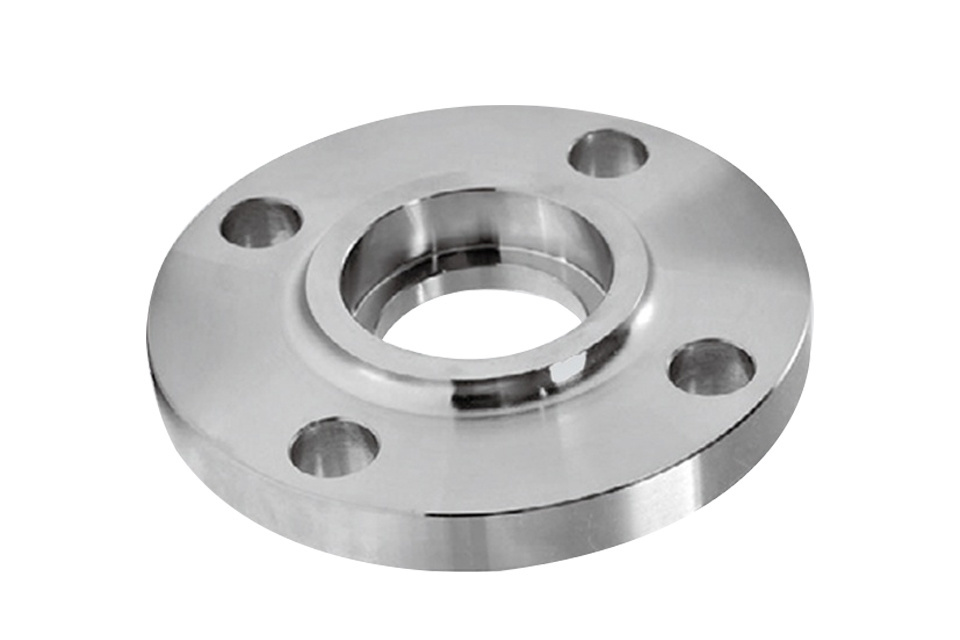
When selecting American standard flanges, it is crucial to understand their types, materials, and dimensions. Common types include weld neck, slip-on, blind, and threaded flanges, each designed for specific applications. Weld neck flanges, for instance, are often used in high-pressure environments due to their robust construction, whereas slip-on flanges offer easier alignment and installation.
The materials used for American standard flanges vary widely, ranging from carbon steel and stainless steel to plastic and aluminum. Carbon steel flanges are favored for their durability and cost-effectiveness, making them suitable for a variety of applications. Stainless steel flanges, on the other hand, are preferred in environments where corrosion resistance is critical, such as in chemical processing or marine industries.
Dimensionally, American standard flanges are defined by their nominal pipe size (NPS) and schedule. The nominal pipe size indicates the flange's diameter, while the schedule denotes the wall thickness of the associated pipe. It is essential to match the flange size with the piping system to ensure a proper fit and seal, thereby preventing leaks and ensuring system integrity.
Another critical aspect to consider is the flange’s pressure rating, which is classified by the American Society of Mechanical Engineers (ASME). Ratings such as 150#, 300#, and 600# indicate the maximum pressure the flange can withstand at a specific temperature. Understanding these ratings helps in selecting the appropriate flange for high-pressure applications, ensuring safety and efficiency.
In addition to technical specifications, the installation of American standard flanges requires precision and care. Proper alignment and tightening techniques are necessary to achieve a secure connection and prevent joint failure. Utilizing the correct gasket material is also essential, as it plays a vital role in sealing the joint and accommodating thermal expansion.
In conclusion, a thorough understanding of American standard flanges is crucial for professionals in the construction and decoration materials industry. By considering the types, materials, dimensions, and installation practices, you can ensure the reliability and effectiveness of your piping systems. Whether you are embarking on a new project or upgrading existing systems, knowledge of these components will facilitate better decision-making and enhance overall project outcomes.
Latest developments
American standard flanges play a pivotal role in the construction and plumbing industries, serving as essential connectors for pipes, valves, and other equipment. These flanges adhere to the American National Standards Institute (ANSI) specifications, ensuring consistency and compatibility in various applications. When selecting American standard flanges, it is crucial to understand their types,
The Environmental Impact of Using Threaded Flanges in Construction
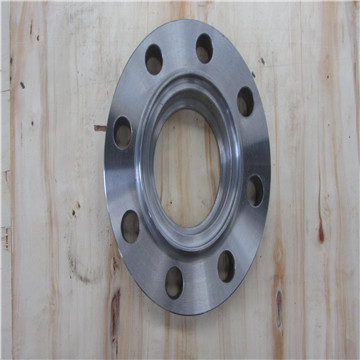
The Environmental Impact of Using Threaded Flanges in Construction Understanding Threaded Flanges and Their Role in Construction Threaded flanges are essential components in various piping systems, facilitating the connection of pipes, valves, and other equipment. These flanges are characterized by their internal threads, allowing for easy assembly and disassembly without welding. In the construct
Understanding Flanged Connections: Key Considerations for Construction and Decorative Materials
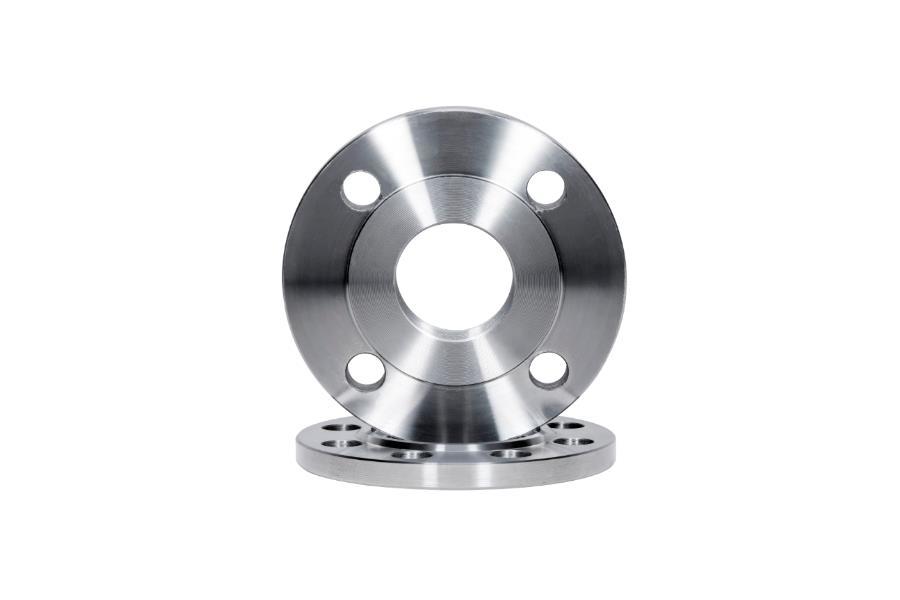
Flanged connections serve as critical components in piping systems across various industries, especially in construction and decorative materials. These connections provide a reliable means of joining pipes, valves, and other equipment, ensuring a secure and leak-free operation. The design of flanged connections consists of two flange faces, which are typically bolted together, allowing for easy a
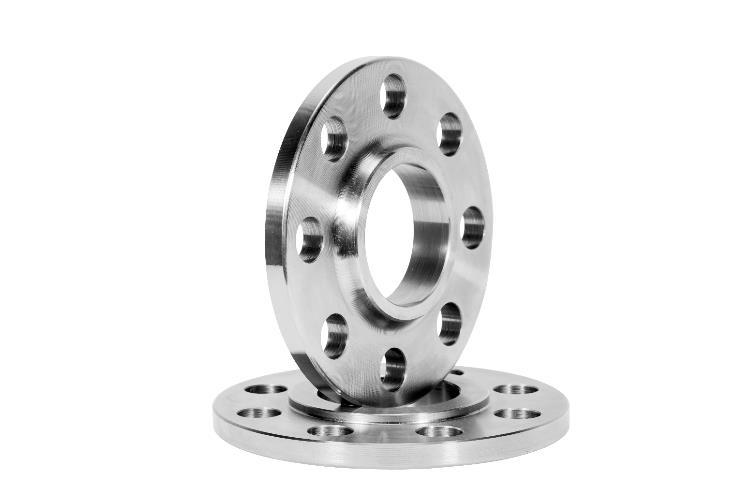
Sliding Flanges: Essential Components for Optimal HVAC Systems
Sliding Flanges: Essential Components for Optimal HVAC Systems Table of Contents 1. Introduction to Sliding Flanges in HVAC Systems 2. Understanding Sliding Flanges: What They Are and How They Work 3. Benefits of Using Sliding Flanges in HVAC Applications 4. Applications of Sliding Flanges in HVAC Systems 5. Key Criteria for Selecting Sliding Flanges 6. Maintenance Tips

quality Forged High Neck Flange manufacturers
The Forged High Neck Flange is manufactured using advanced forging technology. The forging process makes the internal structure of the metal material denser, greatly improving the flange's strength and toughness. Compared to ordinary cast flanges, it can withstand higher pressure and impact forces, ensuring long-term stable use even under complex operating conditions, effectively reducing the risk of damage caused by external impacts.
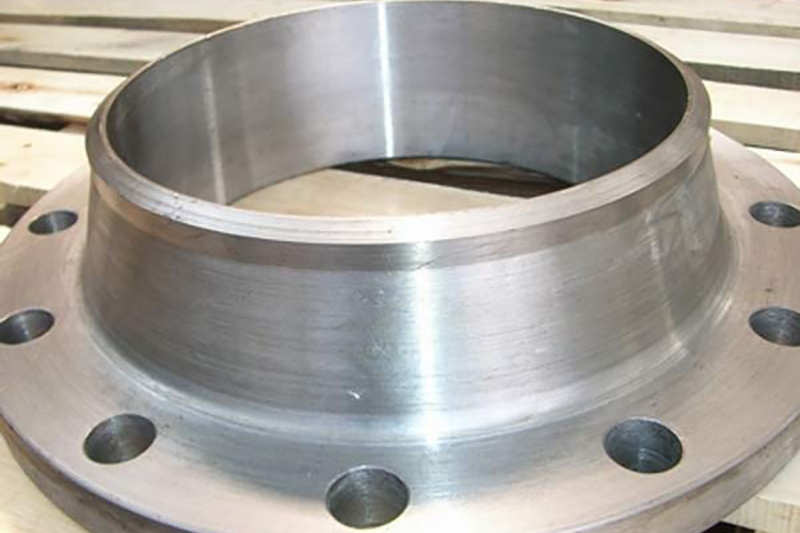
The Importance of High Neck Flanges in Construction and Decorative Materials
High neck flanges are specialized fittings used in various piping systems within the construction and decorative materials sectors. Characterized by their extended neck, these flanges provide enhanced structural integrity and a secure connection between pipes and other components. The design of high neck flanges allows for better alignment and support, which is particularly important in high-press
Shandong Xinhao Forging Co.,Ltd.
Tel:+86-15098858482
WeChat: 543983004
Email:xinhaoflange@gmail.com
Whatsapp:8615098858482
Website:www.xhflange.com

TikTok