

The Importance of High Neck Flanges in Construction and Decorative Materials
Release time:
2026-03-15
High neck flanges are specialized fittings used in various piping systems within the construction and decorative materials sectors. Characterized by their extended neck, these flanges provide enhanced structural integrity and a secure connection between pipes and other components. The design of high neck flanges allows for better alignment and support, which is particularly important in high-press
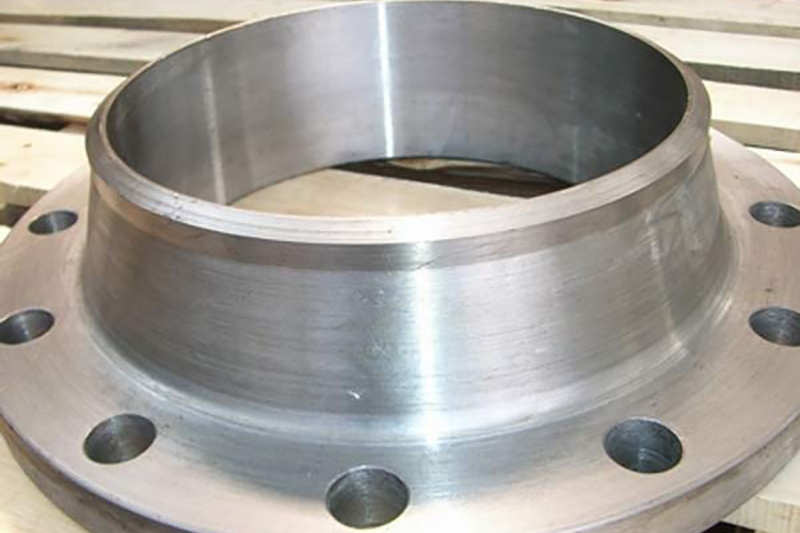
One of the primary advantages of high neck flanges is their ability to accommodate thermal expansion and contraction. In many construction environments, temperature fluctuations can cause pipes to expand or contract, leading to potential leaks and failures. The extended neck of high neck flanges helps to mitigate these risks by providing additional flexibility and reducing stress on the joint.
In terms of installation, high neck flanges are often easier to work with due to their design. The added height allows for better access to the bolting area, which can be particularly beneficial in confined spaces or complex assemblies. Furthermore, the use of high neck flanges can simplify the alignment of piping systems, making it easier for construction professionals to achieve precise installations.
When selecting high neck flanges, it is essential to consider the material compatibility with the fluids being transported. Common materials for high neck flanges include stainless steel, carbon steel, and various alloys, each offering different benefits in terms of corrosion resistance, strength, and durability. Understanding the specific application requirements will ensure that the appropriate material is chosen, ultimately enhancing the longevity and reliability of the piping system.
Another critical aspect of high neck flanges is their role in maintaining system pressure. The design of these flanges allows for a tighter seal compared to standard flanges, which is vital in preventing leaks and maintaining the integrity of the system. This is particularly important in industries such as oil and gas, chemical processing, and water treatment, where safety and efficiency are paramount.
In summary, high neck flanges represent an essential component in the construction and decorative materials industry. Their unique design offers numerous benefits, including improved alignment, enhanced flexibility, and superior sealing capabilities. For professionals in the field, understanding the technical specifications and applications of high neck flanges is crucial for ensuring successful project outcomes and maintaining high standards of quality in piping systems. Always consider the specific requirements of your application and select high neck flanges that meet the necessary standards for optimal performance.
Latest developments
The Importance of High Neck Flanges in Construction and Decorative Materials
High neck flanges are specialized fittings used in various piping systems within the construction and decorative materials sectors. Characterized by their extended neck, these flanges provide enhanced structural integrity and a secure connection between pipes and other components. The design of high neck flanges allows for better alignment and support, which is particularly important in high-press
Flat Flanges in Civil Engineering: A Comprehensive Case Study Analysis
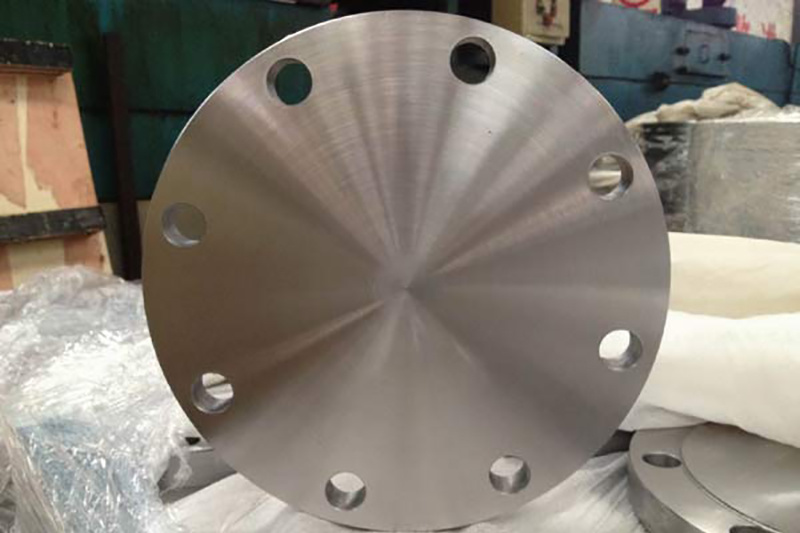
Flat Flanges in Civil Engineering: A Comprehensive Case Study Analysis Table of Contents 1. Introduction to Flat Flanges in Civil Engineering 2. Importance of Flat Flanges in Construction 2.1 Applications of Flat Flanges 2.2 Benefits of Using Flat Flanges 3. Engineering Principles Behind Flat Flanges 4. Design Considerations for Flat Flanges 5. Case Studies: Flat Flanges in Action
Exploring the Role of Forged Steel in the Construction Industry
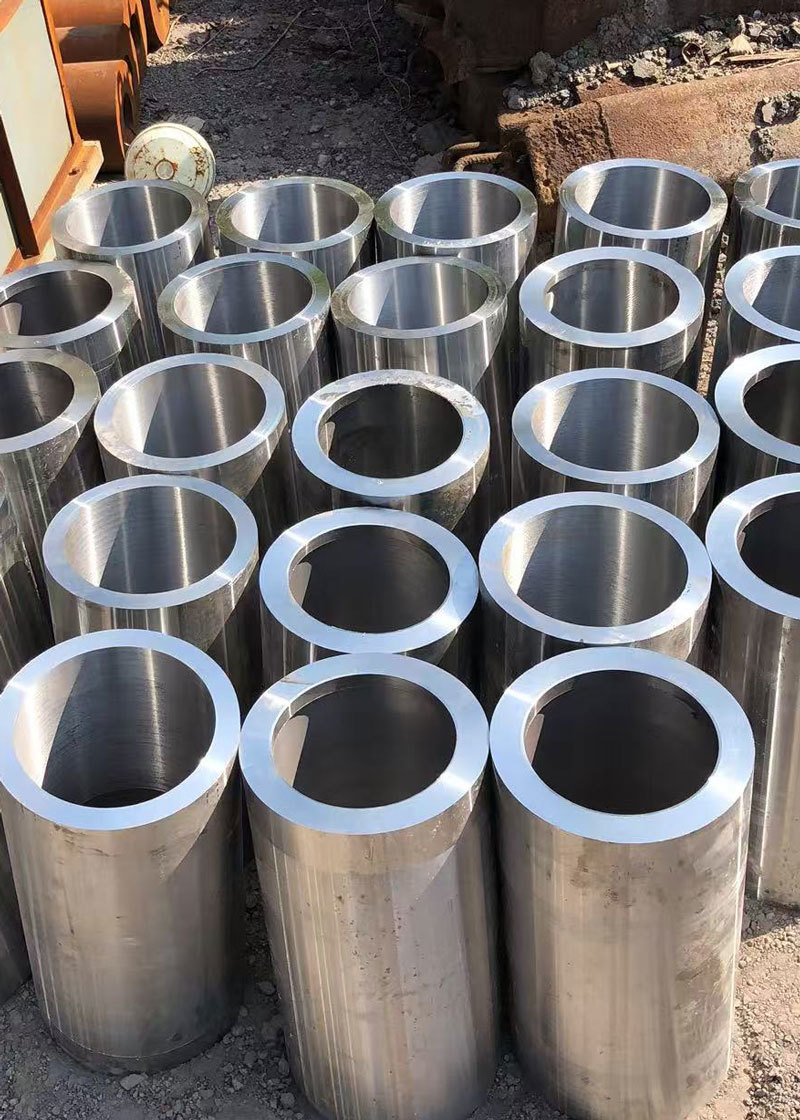
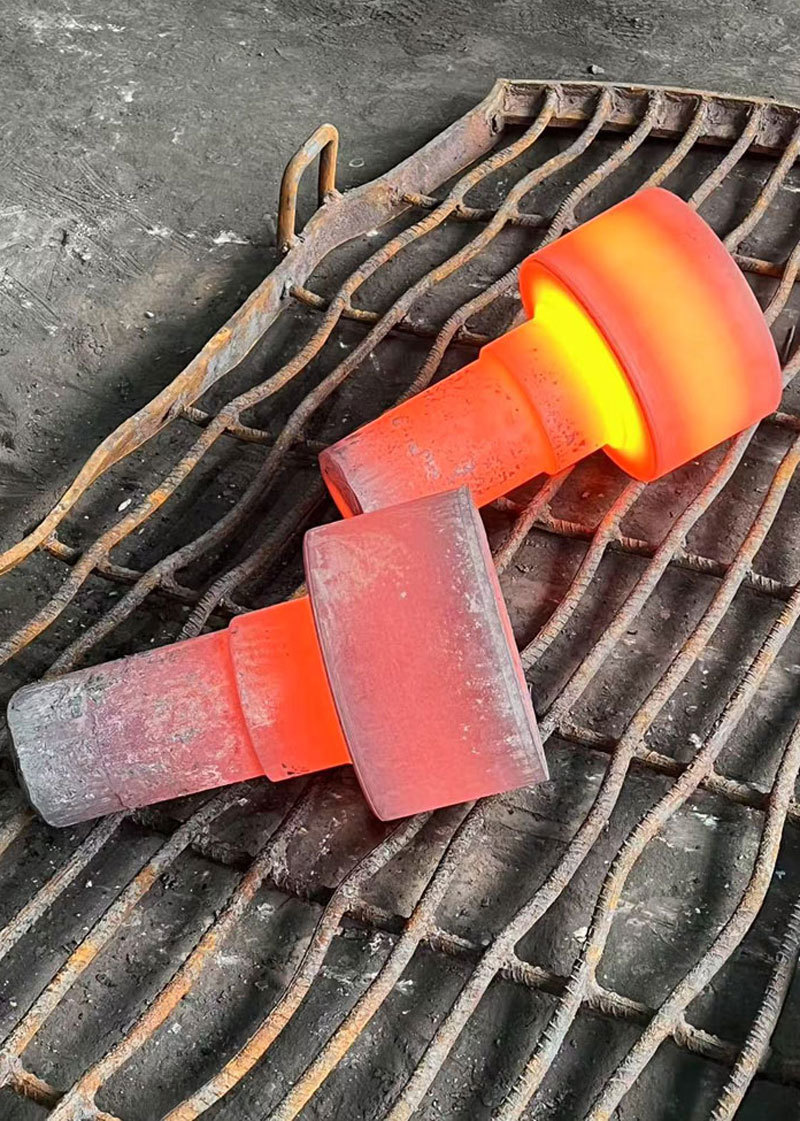
In the construction and decorative materials industry, the use of steel industries forgings plays a pivotal role. Forged steel refers to the process of shaping steel through localized compressive forces, which results in enhanced strength, durability, and resistance to wear and tear. This manufacturing method is particularly advantageous in producing components that require high structural integri
The Future of Stainless Steel Forging: Emerging Trends and Insights for 2024 and Beyond
The Future of Stainless Steel Forging: Trends and Predictions Table of Contents 1. Introduction to Stainless Steel Forging 2. Understanding Stainless Steel: Composition and Benefits 3. Current Trends in the Stainless Steel Forging Industry 4. Emerging Technologies in Stainless Steel Forging 5. Sustainability Practices in Stainless Steel Forging 6. Market Predictions for St
Understanding Non-Standard Flanges: A Key Component in Construction and Decoration
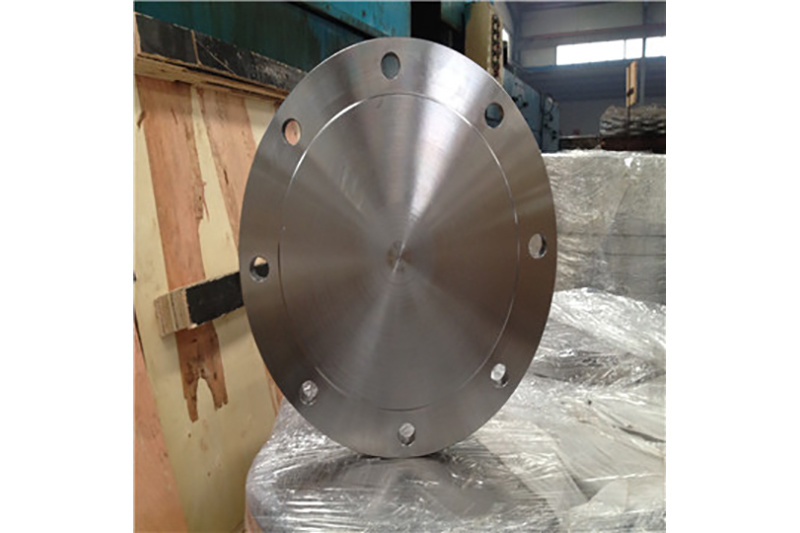
Non-standard flanges are specialized fittings that do not conform to the widely accepted dimensions and specifications found in standard flange types. These flanges are often custom-designed to meet the unique requirements of specific projects or applications. In industries such as construction, plumbing, and HVAC, non-standard flanges serve crucial functions, including connecting pipes, valves, p
Understanding the Material Choices for Japanese Standard Flanges: A Comprehensive Guide
Understanding the Material Choices for Japanese Standard Flanges Table of Contents 1. Introduction to Japanese Standard Flanges 2. Types of Japanese Standard Flanges 3. Material Options for Japanese Standard Flanges 3.1 Stainless Steel Flanges 3.2 Carbon Steel Flanges 3.3 Alloy Steel Flanges 3.4 Plastic Flanges 4. How to Select the
Shandong Xinhao Forging Co.,Ltd.
Tel:+86-15098858482
WeChat: 543983004
Email:xinhaoflange@gmail.com
Whatsapp:8615098858482
Website:www.xhflange.com

TikTok