

Exploring the Role of Forged Steel in the Construction Industry
Release time:
2026-03-09
In the construction and decorative materials industry, the use of steel industries forgings plays a pivotal role. Forged steel refers to the process of shaping steel through localized compressive forces, which results in enhanced strength, durability, and resistance to wear and tear. This manufacturing method is particularly advantageous in producing components that require high structural integri
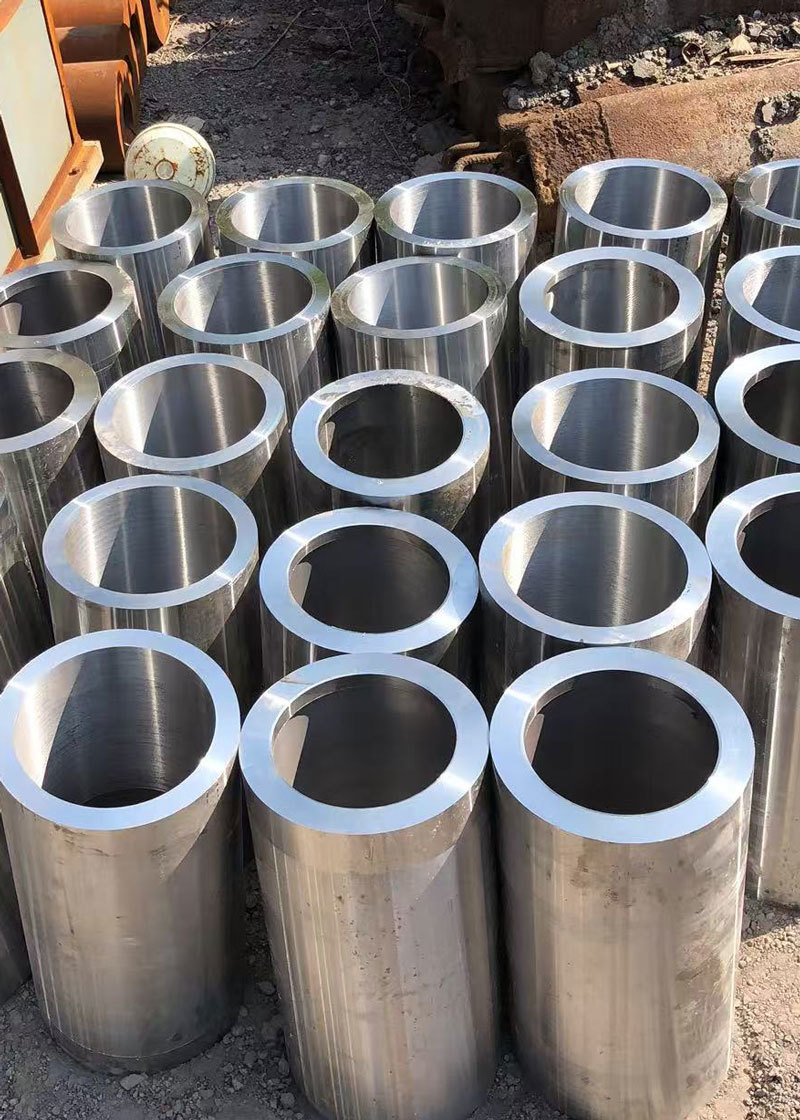
One of the primary benefits of steel forgings is their superior mechanical properties. The forging process refines the grain structure of the steel, leading to increased toughness and resilience. As a result, forged steel components can withstand heavy loads and extreme conditions, which is critical in construction projects where safety and longevity are paramount. This characteristic is especially beneficial in structural elements such as beams, columns, and connectors, where strength is essential.
Moreover, the versatility of steel industries forgings allows for the creation of a wide range of products tailored to specific architectural needs. From custom decorative elements to essential framework components, forged steel can be adapted to suit various styles and requirements. This adaptability not only enhances the aesthetic appeal of buildings but also contributes to their overall functionality. For instance, forged steel can be used in intricate designs for railings, gates, and ornamental features, combining beauty with strength.
Additionally, steel forgings offer excellent corrosion resistance when treated with appropriate coatings or finishes. This quality ensures that forged elements maintain their structural integrity over time, even when exposed to harsh environmental conditions. In regions with high humidity or where exposure to chemicals is a concern, the use of forged steel can significantly extend the lifespan of construction materials, reducing maintenance costs and enhancing overall project viability.
The manufacturing of steel industries forgings also aligns with modern sustainability practices. Forged steel is often produced from recycled materials, making it a more environmentally friendly choice compared to other materials. This not only reduces the carbon footprint of construction projects but also promotes the use of sustainable materials in building designs.
In conclusion, the integration of steel industries forgings into the construction and decorative materials sector brings numerous advantages, including enhanced strength, aesthetic versatility, corrosion resistance, and sustainability. As the industry continues to evolve, the role of forged steel will remain critical in delivering high-quality, durable, and attractive solutions for various construction needs. Understanding the benefits and applications of forged steel is essential for professionals in the field, ensuring that they make informed decisions that contribute to the success of their projects.
Latest developments
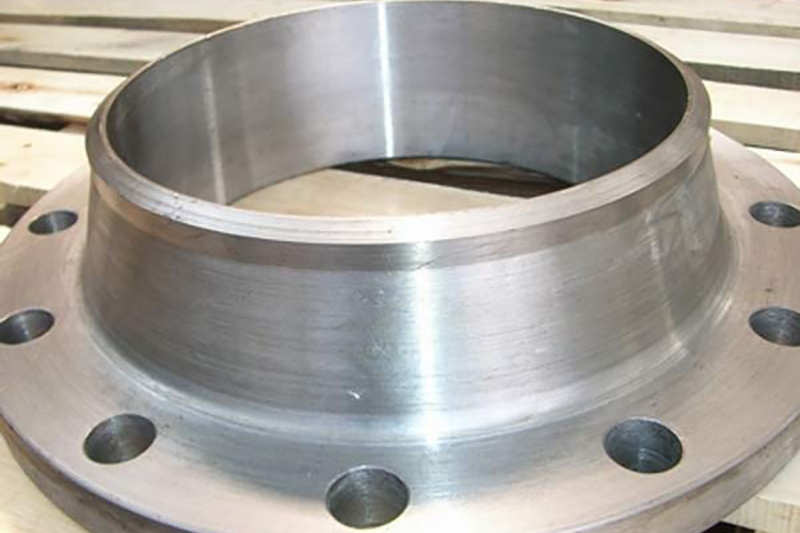
The Importance of High Neck Flanges in Construction and Decorative Materials
High neck flanges are specialized fittings used in various piping systems within the construction and decorative materials sectors. Characterized by their extended neck, these flanges provide enhanced structural integrity and a secure connection between pipes and other components. The design of high neck flanges allows for better alignment and support, which is particularly important in high-press
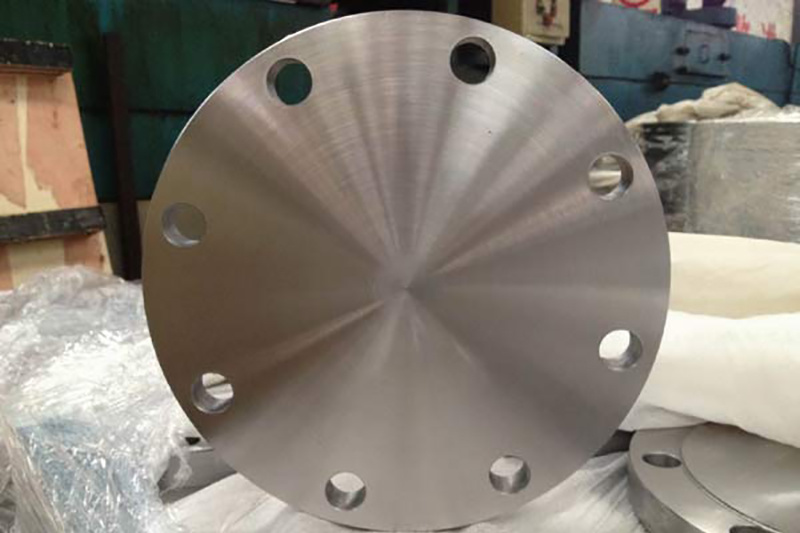
Flat Flanges in Civil Engineering: A Comprehensive Case Study Analysis
Flat Flanges in Civil Engineering: A Comprehensive Case Study Analysis Table of Contents 1. Introduction to Flat Flanges in Civil Engineering 2. Importance of Flat Flanges in Construction 2.1 Applications of Flat Flanges 2.2 Benefits of Using Flat Flanges 3. Engineering Principles Behind Flat Flanges 4. Design Considerations for Flat Flanges 5. Case Studies: Flat Flanges in Action
Exploring the Role of Forged Steel in the Construction Industry
In the construction and decorative materials industry, the use of steel industries forgings plays a pivotal role. Forged steel refers to the process of shaping steel through localized compressive forces, which results in enhanced strength, durability, and resistance to wear and tear. This manufacturing method is particularly advantageous in producing components that require high structural integri

The Future of Stainless Steel Forging: Emerging Trends and Insights for 2024 and Beyond
The Future of Stainless Steel Forging: Trends and Predictions Table of Contents 1. Introduction to Stainless Steel Forging 2. Understanding Stainless Steel: Composition and Benefits 3. Current Trends in the Stainless Steel Forging Industry 4. Emerging Technologies in Stainless Steel Forging 5. Sustainability Practices in Stainless Steel Forging 6. Market Predictions for St
Understanding Non-Standard Flanges: A Key Component in Construction and Decoration
Non-standard flanges are specialized fittings that do not conform to the widely accepted dimensions and specifications found in standard flange types. These flanges are often custom-designed to meet the unique requirements of specific projects or applications. In industries such as construction, plumbing, and HVAC, non-standard flanges serve crucial functions, including connecting pipes, valves, p
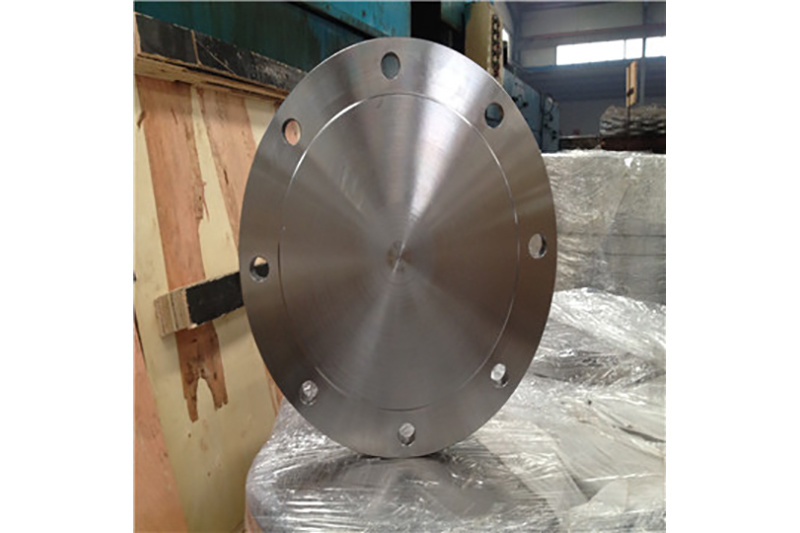
Understanding the Material Choices for Japanese Standard Flanges: A Comprehensive Guide
Understanding the Material Choices for Japanese Standard Flanges Table of Contents 1. Introduction to Japanese Standard Flanges 2. Types of Japanese Standard Flanges 3. Material Options for Japanese Standard Flanges 3.1 Stainless Steel Flanges 3.2 Carbon Steel Flanges 3.3 Alloy Steel Flanges 3.4 Plastic Flanges 4. How to Select the
Shandong Xinhao Forging Co.,Ltd.
Tel:+86-15098858482
WeChat: 543983004
Email:xinhaoflange@gmail.com
Whatsapp:8615098858482
Website:www.xhflange.com

TikTok