


Flat Flanges in Civil Engineering: A Comprehensive Case Study Analysis
Release time:
2026-03-12
Flat Flanges in Civil Engineering: A Comprehensive Case Study Analysis Table of Contents 1. Introduction to Flat Flanges in Civil Engineering 2. Importance of Flat Flanges in Construction 2.1 Applications of Flat Flanges 2.2 Benefits of Using Flat Flanges 3. Engineering Principles Behind Flat Flanges 4. Design Considerations for Flat Flanges 5. Case Studies: Flat Flanges in Action
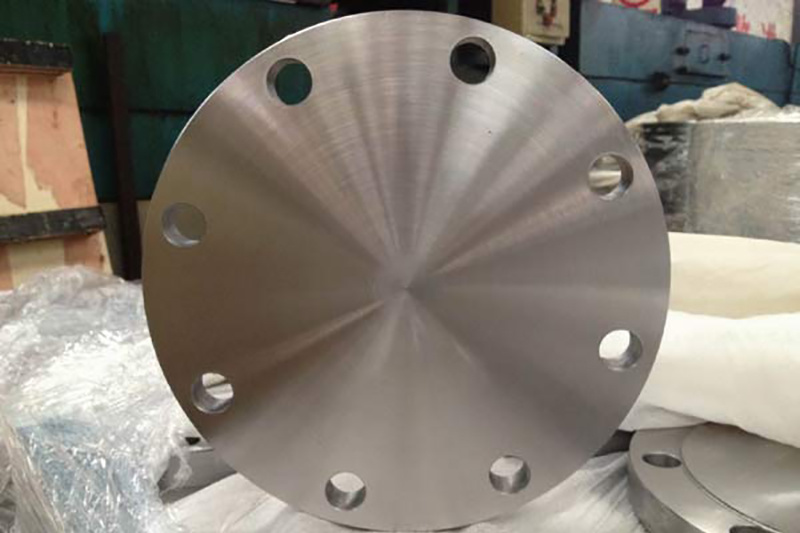
Flat Flanges in Civil Engineering: A Comprehensive Case Study Analysis
Table of Contents
- 1. Introduction to Flat Flanges in Civil Engineering
- 2. Importance of Flat Flanges in Construction
- 3. Engineering Principles Behind Flat Flanges
- 4. Design Considerations for Flat Flanges
- 5. Case Studies: Flat Flanges in Action
- 5.1 Case Study 1: Industrial Applications
- 5.2 Case Study 2: Infrastructure Projects
- 5.3 Case Study 3: Residential Construction
- 6. Challenges in Using Flat Flanges
- 7. Future Trends in Flat Flange Technology
- 8. Conclusion
- 9. Frequently Asked Questions
1. Introduction to Flat Flanges in Civil Engineering
Flat flanges play an essential role in the construction and civil engineering sectors. These components are used to connect pipes, valves, fittings, and other equipment, ensuring secure and leak-proof connections. The design and material selection of flat flanges directly influence the overall integrity and safety of engineering projects. Understanding their significance can lead to better project outcomes and enhanced structural performance.
2. Importance of Flat Flanges in Construction
Flat flanges are integral to various engineering applications, offering several advantages that enhance their popularity among engineers and construction professionals.
2.1 Applications of Flat Flanges
Flat flanges are commonly used in:
- **Piping Systems**: Connecting pipe sections to prevent leaks and facilitate equipment integration.
- **Pressure Vessels**: Ensuring airtight seals to withstand high pressure and temperature conditions.
- **Structural Support**: Providing strong connections in beams and columns, enhancing structural stability.
- **HVAC Systems**: Facilitating efficient airflow and heat exchange through ductwork.
2.2 Benefits of Using Flat Flanges
Employing flat flanges in construction projects yields numerous benefits:
- **Ease of Installation**: Flat flanges simplify assembly and disassembly, making maintenance straightforward.
- **Cost-Effectiveness**: Their durability reduces the need for frequent replacements, minimizing long-term costs.
- **Versatility**: Available in various materials and sizes, they can be tailored to specific project requirements.
- **Enhanced Safety**: Properly installed flat flanges contribute to the overall safety and reliability of engineering systems.
3. Engineering Principles Behind Flat Flanges
The effectiveness of flat flanges in engineering relies on fundamental engineering principles, including stress distribution, material properties, and load-bearing capacities. Understanding these principles is paramount for engineers when designing and selecting suitable flanges for specific applications.
4. Design Considerations for Flat Flanges
When designing flat flanges, engineers must consider various factors:
- **Material Selection**: Choosing materials like carbon steel, stainless steel, or plastic based on environmental conditions and pressure requirements.
- **Dimensions**: Determining the appropriate thickness and diameter to accommodate stress and load factors.
- **Surface Finish**: Ensuring flatness and smoothness to achieve proper sealing and prevent leaks.
- **Bolt Design**: Selecting the right bolt size and type to ensure secure fastening under operational conditions.
5. Case Studies: Flat Flanges in Action
Real-world applications of flat flanges demonstrate their importance in engineering projects. Below are case studies showcasing various applications.
5.1 Case Study 1: Industrial Applications
In industrial settings, flat flanges are frequently used to connect piping systems in chemical processing plants. One facility implemented flat flanges made from corrosion-resistant materials, significantly reducing maintenance costs and increasing operational uptime.
5.2 Case Study 2: Infrastructure Projects
A major infrastructure project involved the construction of a water treatment plant where flat flanges were utilized to connect large-diameter pipes. The design ensured minimal pressure loss and sustained high flow rates, essential for the plant's efficiency.
5.3 Case Study 3: Residential Construction
In residential construction, flat flanges facilitated the installation of plumbing systems. By using flat flanges, contractors achieved reliable connections that minimized leaks and ensured compliance with safety regulations.
6. Challenges in Using Flat Flanges
Despite their advantages, the use of flat flanges can present challenges:
- **Corrosion Resistance**: Selecting appropriate materials to withstand environmental factors is crucial.
- **Design Limitations**: Incorrect dimensions can lead to stress concentrations and failure points.
- **Installation Errors**: Inadequate installation can result in leaks and the need for costly repairs.
7. Future Trends in Flat Flange Technology
The future of flat flange technology is heading towards greater innovation. Advancements in materials science, such as the development of lightweight composites and smart materials, promise to enhance the performance of flat flanges. Additionally, integrating sensors into flanges for real-time monitoring could revolutionize maintenance protocols, leading to safer and more efficient engineering systems.
8. Conclusion
Flat flanges are indispensable components in civil engineering, contributing to the safety, functionality, and efficiency of various systems. Their applications span across industrial, infrastructural, and residential projects, underlining their versatility and importance. By understanding the principles, design considerations, and real-world applications of flat flanges, engineers can make informed decisions that enhance project outcomes and ensure structural integrity.
9. Frequently Asked Questions
1. What materials are commonly used for flat flanges?
Flat flanges are typically made from carbon steel, stainless steel, or various plastics. The choice of material depends on the application and environmental conditions.
2. How do I ensure a proper seal with flat flanges?
To achieve a proper seal, ensure that the flange surfaces are clean and smooth. Use appropriate gaskets and regular torque specifications during installation.
3. What are the advantages of flat flanges over other types of flanges?
Flat flanges are easier to install and maintain, often more cost-effective, and versatile for various applications compared to other flange types.
4. Can flat flanges be used in high-pressure applications?
Yes, flat flanges can be designed for high-pressure applications, provided that the correct materials and dimensions are selected.
5. What are some common failure modes for flat flanges?
Common failure modes include leaks due to improper installation, material degradation from corrosion, and mechanical failure from overload or fatigue.
By delving into the significance, applications, and challenges associated with flat flanges, this article provides a comprehensive understanding of their role in civil engineering. Engineers and construction professionals can leverage this knowledge to enhance the quality and safety of their projects.
Latest developments
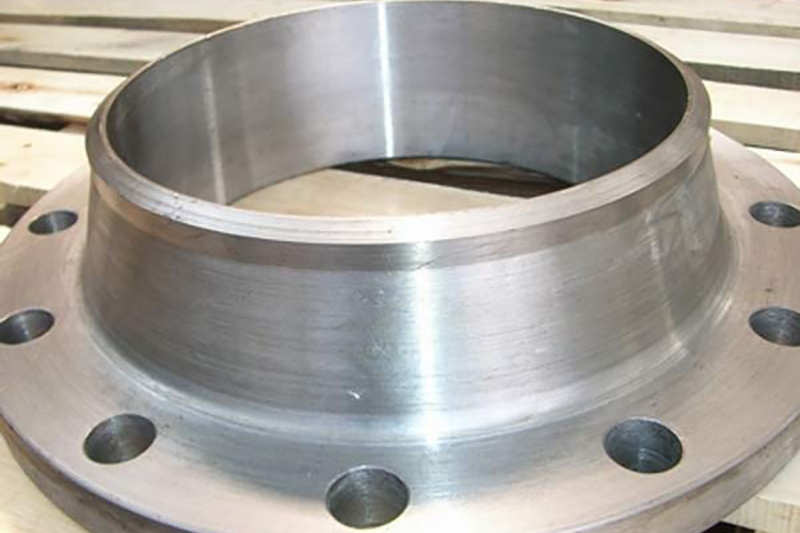
The Importance of High Neck Flanges in Construction and Decorative Materials
High neck flanges are specialized fittings used in various piping systems within the construction and decorative materials sectors. Characterized by their extended neck, these flanges provide enhanced structural integrity and a secure connection between pipes and other components. The design of high neck flanges allows for better alignment and support, which is particularly important in high-press
Flat Flanges in Civil Engineering: A Comprehensive Case Study Analysis
Flat Flanges in Civil Engineering: A Comprehensive Case Study Analysis Table of Contents 1. Introduction to Flat Flanges in Civil Engineering 2. Importance of Flat Flanges in Construction 2.1 Applications of Flat Flanges 2.2 Benefits of Using Flat Flanges 3. Engineering Principles Behind Flat Flanges 4. Design Considerations for Flat Flanges 5. Case Studies: Flat Flanges in Action
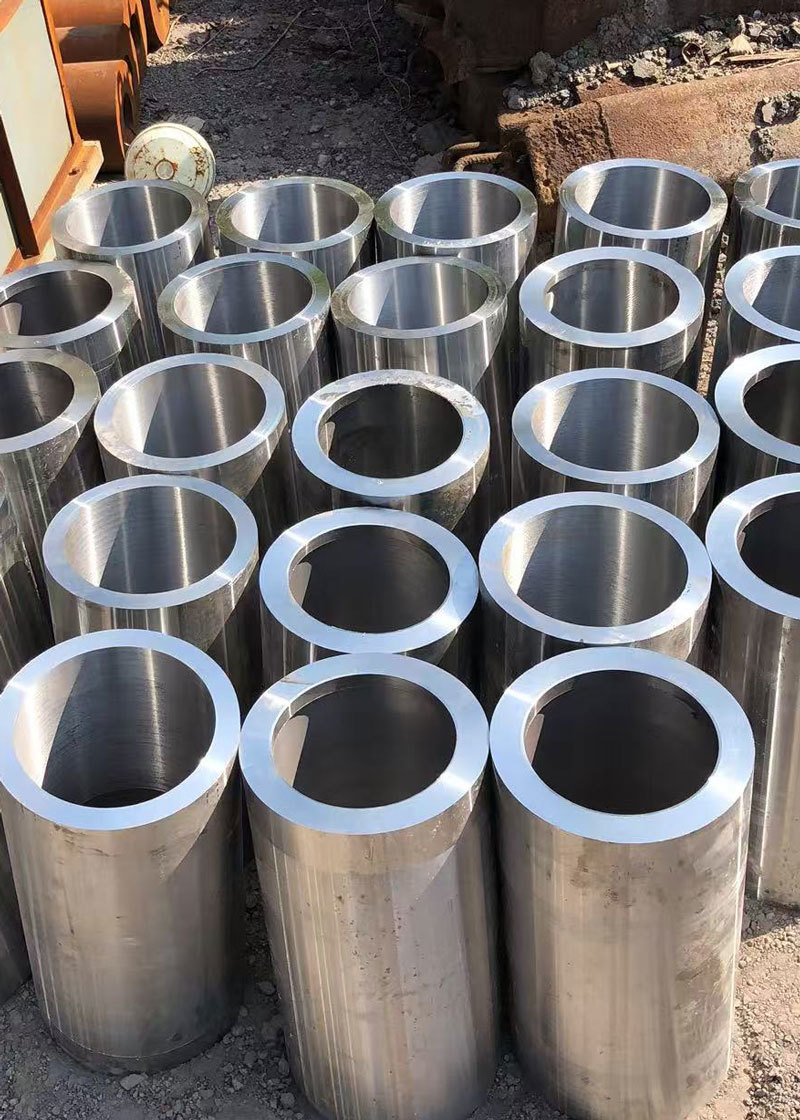
Exploring the Role of Forged Steel in the Construction Industry
In the construction and decorative materials industry, the use of steel industries forgings plays a pivotal role. Forged steel refers to the process of shaping steel through localized compressive forces, which results in enhanced strength, durability, and resistance to wear and tear. This manufacturing method is particularly advantageous in producing components that require high structural integri
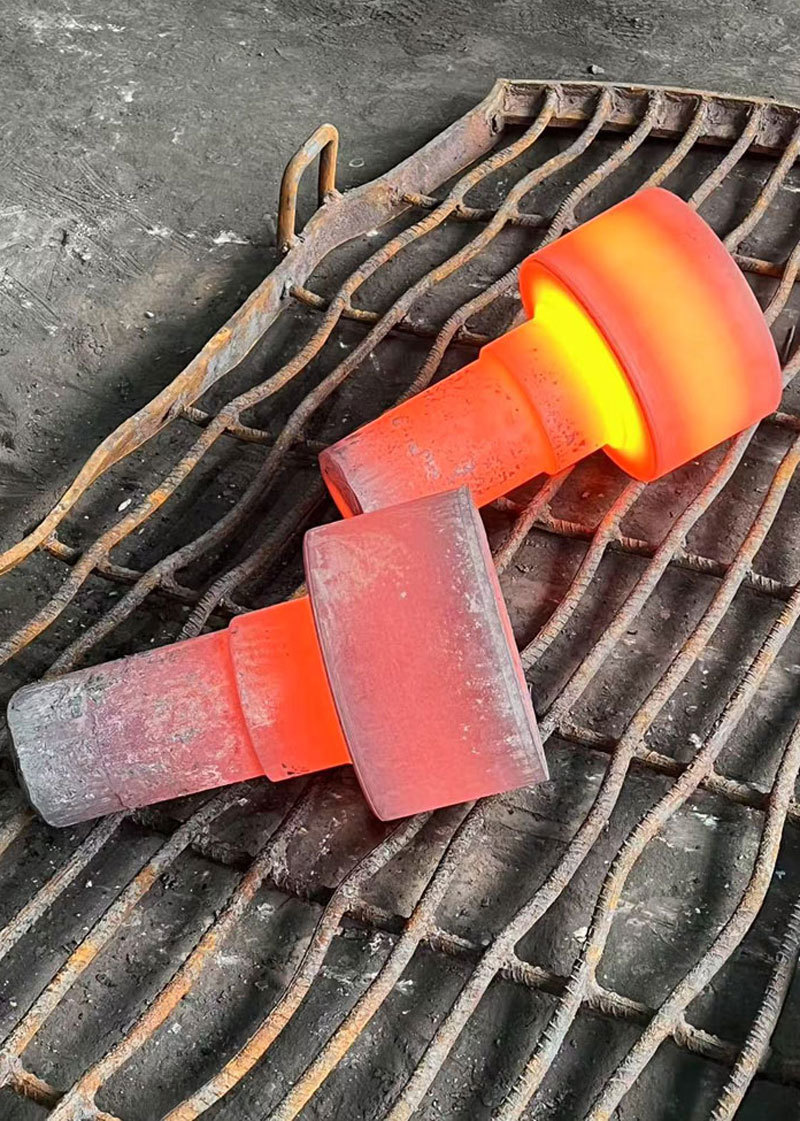
The Future of Stainless Steel Forging: Emerging Trends and Insights for 2024 and Beyond
The Future of Stainless Steel Forging: Trends and Predictions Table of Contents 1. Introduction to Stainless Steel Forging 2. Understanding Stainless Steel: Composition and Benefits 3. Current Trends in the Stainless Steel Forging Industry 4. Emerging Technologies in Stainless Steel Forging 5. Sustainability Practices in Stainless Steel Forging 6. Market Predictions for St
Understanding Non-Standard Flanges: A Key Component in Construction and Decoration
Non-standard flanges are specialized fittings that do not conform to the widely accepted dimensions and specifications found in standard flange types. These flanges are often custom-designed to meet the unique requirements of specific projects or applications. In industries such as construction, plumbing, and HVAC, non-standard flanges serve crucial functions, including connecting pipes, valves, p
Understanding the Material Choices for Japanese Standard Flanges: A Comprehensive Guide
Understanding the Material Choices for Japanese Standard Flanges Table of Contents 1. Introduction to Japanese Standard Flanges 2. Types of Japanese Standard Flanges 3. Material Options for Japanese Standard Flanges 3.1 Stainless Steel Flanges 3.2 Carbon Steel Flanges 3.3 Alloy Steel Flanges 3.4 Plastic Flanges 4. How to Select the
Shandong Xinhao Forging Co.,Ltd.
Tel:+86-15098858482
WeChat: 543983004
Email:xinhaoflange@gmail.com
Whatsapp:8615098858482
Website:www.xhflange.com

TikTok