

The Environmental Impact of Using Threaded Flanges in Construction
Release time:
2026-03-24
The Environmental Impact of Using Threaded Flanges in Construction Understanding Threaded Flanges and Their Role in Construction Threaded flanges are essential components in various piping systems, facilitating the connection of pipes, valves, and other equipment. These flanges are characterized by their internal threads, allowing for easy assembly and disassembly without welding. In the construct
The Environmental Impact of Using Threaded Flanges in Construction
Understanding Threaded Flanges and Their Role in Construction
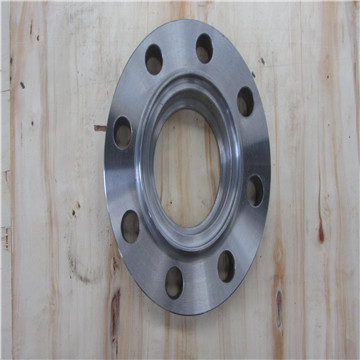
Threaded flanges are essential components in various piping systems, facilitating the connection of pipes, valves, and other equipment. These flanges are characterized by their internal threads, allowing for easy assembly and disassembly without welding. In the construction industry, threaded flanges are not just functional; they significantly influence sustainability practices and environmental considerations.
The Significance of Sustainable Construction Practices
As the world grapples with environmental challenges, the construction industry has a pivotal role in promoting sustainable practices. The use of eco-friendly materials and efficient construction methods can reduce carbon footprints, conserve resources, and minimize waste. This approach is not only beneficial for the environment but also enhances the reputation of construction firms committed to sustainability.
The Lifecycle of Threaded Flanges: From Production to Disposal
Understanding the lifecycle of threaded flanges is crucial in assessing their environmental impact.
1. Material Sourcing
The initial step in the lifecycle of threaded flanges involves material sourcing. Common materials include carbon steel, stainless steel, and plastic composites. While metal flanges are durable and widely used, their production often requires significant energy and raw materials. Sustainable sourcing practices, such as using recycled metals, can drastically reduce environmental harm.
2. Manufacturing Processes
The manufacturing process of threaded flanges can also have environmental implications. Traditional manufacturing methods often involve high energy consumption and emissions. However, modern techniques, such as precision machining and additive manufacturing, are emerging as more sustainable alternatives. These processes can minimize waste and energy usage while producing high-quality flanges.
3. Transportation and Distribution
Once produced, threaded flanges need to be transported to construction sites. Transportation, particularly via fossil fuel-powered vehicles, contributes to greenhouse gas emissions. Adopting local suppliers or utilizing electric vehicles for distribution can mitigate these impacts.
4. Installation and Use
During installation, the efficiency of threaded flanges can affect the overall sustainability of a project. Flanges that allow for quick assembly and disassembly reduce labor time and resource use. Proper installation also ensures that the piping systems operate efficiently, minimizing leaks and waste.
5. End-of-Life Considerations
At the end of their lifecycle, the disposal of threaded flanges raises environmental concerns. Metal flanges can often be recycled, but improper disposal can lead to waste accumulation. Implementing recycling programs and encouraging the use of recyclable materials can contribute positively to environmental sustainability.
Environmental Benefits of Using Threaded Flanges
1. Reduced Waste Generation
One of the primary benefits of threaded flanges is their ability to reduce waste generation. Their design allows for easy disassembly, enabling components to be reused or recycled rather than discarded. This practice aligns with the principles of a circular economy, where materials are kept in use for as long as possible.
2. Energy Efficiency
Using threaded flanges can enhance the energy efficiency of a construction project. By ensuring tight seals and preventing leaks, these flanges help maintain optimal pressure in piping systems, leading to lower energy consumption in heating and cooling processes.
3. Enhanced Durability and Longevity
Threaded flanges are known for their durability, which contributes to their environmental benefits. Their long lifespan means they do not need to be replaced frequently, reducing the demand for new materials and the associated environmental impact of manufacturing and transportation.
4. Compatibility with Sustainable Materials
Innovation in materials science has led to the development of sustainable alternatives to traditional flanges. For instance, flanges made from recycled metals or biodegradable composites can further reduce the environmental footprint of construction projects.
Challenges and Considerations in Using Threaded Flanges
1. Installation Expertise
While threaded flanges offer many benefits, proper installation is crucial for maximizing their environmental advantages. Inadequate installation can lead to leaks, increased maintenance, and higher resource consumption. Ensuring that construction teams are trained in best practices is essential.
2. Regulatory Compliance
As sustainability regulations become more stringent, construction companies must ensure that their use of threaded flanges complies with local and international standards. Staying informed about regulations can help avoid legal issues and promote responsible practices.
3. Market Availability and Cost
The availability of eco-friendly threaded flanges may be limited in some markets, and the cost can be higher than traditional options. Construction firms must weigh the initial investment against long-term benefits, including potential savings from reduced energy use and waste.
Best Practices for Sustainable Use of Threaded Flanges
1. Conduct a Lifecycle Assessment
Before committing to a specific type of threaded flange, conducting a lifecycle assessment can help identify the most sustainable option. This assessment should consider material sourcing, manufacturing processes, transportation, installation, and end-of-life disposal.
2. Choose Recycled and Eco-Friendly Materials
Selecting flanges made from recycled materials or eco-friendly composites can significantly reduce the environmental impact of construction projects. Collaborating with suppliers who prioritize sustainability can enhance overall project performance.
3. Train Installation Teams
Providing training for installation teams on the correct use of threaded flanges is critical. Proper installation not only ensures functionality but also minimizes potential environmental issues associated with leaks and inefficiencies.
4. Implement Recycling Programs
Encouraging the recycling of used threaded flanges and other materials on construction sites can contribute to a more sustainable approach. Establishing partnerships with recycling facilities can facilitate this process.
Future Trends in Sustainable Construction Practices
As the construction industry moves towards sustainability, several trends are emerging that may shape the future use of threaded flanges.
1. Increased Use of Smart Materials
The integration of smart materials in construction, including threaded flanges, is on the rise. These materials can monitor environmental conditions, providing real-time data that can improve efficiency and reduce waste.
2. Circular Economy Models
As the concept of a circular economy gains traction, the demand for products designed for reuse and recycling will increase. This shift will encourage the development of threaded flanges that are easier to disassemble and recycle.
3. Regulatory Innovations
Governments worldwide are introducing stricter regulations aimed at promoting sustainability in construction. Adhering to these evolving standards will require construction companies to adopt innovative practices, including the responsible use of threaded flanges.
FAQs about Threaded Flanges and Environmental Impact
1. What are threaded flanges used for in construction?
Threaded flanges are primarily used to connect pipes, valves, and other fittings in various piping systems, allowing for easy assembly and disassembly.
2. How do threaded flanges contribute to sustainability?
Threaded flanges reduce waste, enhance energy efficiency, and promote the use of recyclable materials, thus minimizing their environmental impact.
3. Are there eco-friendly alternatives to traditional threaded flanges?
Yes, there are eco-friendly alternatives available, including flanges made from recycled metals or biodegradable materials.
4. What is the importance of proper installation of threaded flanges?
Proper installation is crucial in preventing leaks and ensuring optimal efficiency, which can significantly impact the sustainability of a construction project.
5. How can construction companies promote sustainability with threaded flanges?
Construction companies can promote sustainability by choosing eco-friendly materials, conducting lifecycle assessments, and implementing recycling programs.
Conclusion
The environmental impact of using threaded flanges in construction is a multifaceted issue that demands attention from industry professionals. By understanding their lifecycle, adopting best practices, and embracing innovative solutions, we can enhance the sustainability of construction projects. Threaded flanges, when used responsibly, offer significant benefits in terms of durability, energy efficiency, and waste reduction. As the industry evolves, committing to sustainable practices will not only benefit the environment but also foster a more responsible and resilient construction sector for future generations.
Previous
Latest developments
The Environmental Impact of Using Threaded Flanges in Construction
The Environmental Impact of Using Threaded Flanges in Construction Understanding Threaded Flanges and Their Role in Construction Threaded flanges are essential components in various piping systems, facilitating the connection of pipes, valves, and other equipment. These flanges are characterized by their internal threads, allowing for easy assembly and disassembly without welding. In the construct
Understanding Flanged Connections: Key Considerations for Construction and Decorative Materials
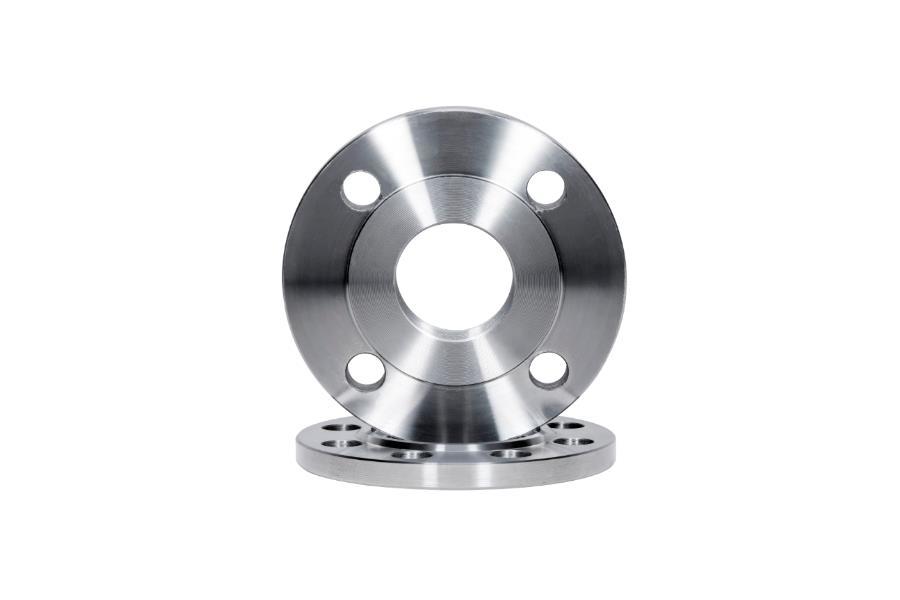
Flanged connections serve as critical components in piping systems across various industries, especially in construction and decorative materials. These connections provide a reliable means of joining pipes, valves, and other equipment, ensuring a secure and leak-free operation. The design of flanged connections consists of two flange faces, which are typically bolted together, allowing for easy a
Sliding Flanges: Essential Components for Optimal HVAC Systems
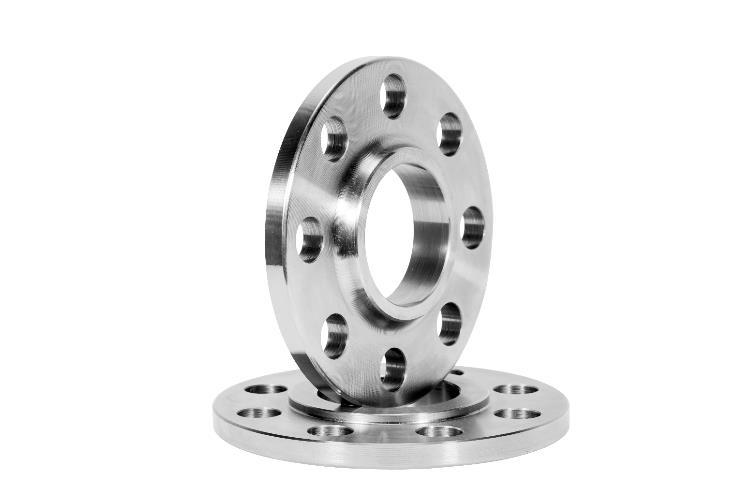
Sliding Flanges: Essential Components for Optimal HVAC Systems Table of Contents 1. Introduction to Sliding Flanges in HVAC Systems 2. Understanding Sliding Flanges: What They Are and How They Work 3. Benefits of Using Sliding Flanges in HVAC Applications 4. Applications of Sliding Flanges in HVAC Systems 5. Key Criteria for Selecting Sliding Flanges 6. Maintenance Tips

quality Forged High Neck Flange manufacturers
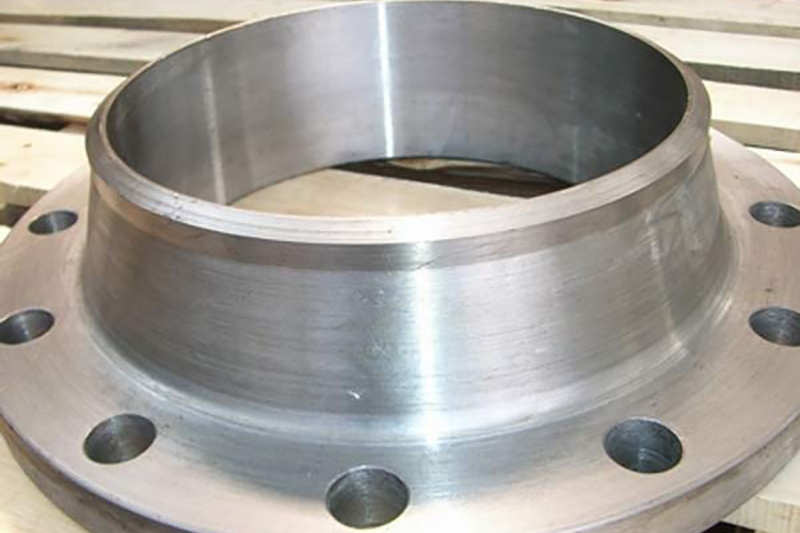
The Forged High Neck Flange is manufactured using advanced forging technology. The forging process makes the internal structure of the metal material denser, greatly improving the flange's strength and toughness. Compared to ordinary cast flanges, it can withstand higher pressure and impact forces, ensuring long-term stable use even under complex operating conditions, effectively reducing the risk of damage caused by external impacts.
The Importance of High Neck Flanges in Construction and Decorative Materials
High neck flanges are specialized fittings used in various piping systems within the construction and decorative materials sectors. Characterized by their extended neck, these flanges provide enhanced structural integrity and a secure connection between pipes and other components. The design of high neck flanges allows for better alignment and support, which is particularly important in high-press
Flat Flanges in Civil Engineering: A Comprehensive Case Study Analysis
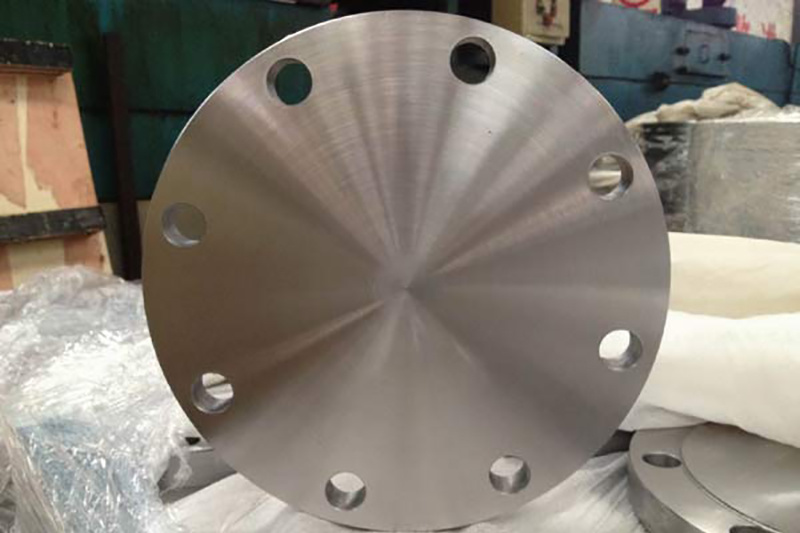
Flat Flanges in Civil Engineering: A Comprehensive Case Study Analysis Table of Contents 1. Introduction to Flat Flanges in Civil Engineering 2. Importance of Flat Flanges in Construction 2.1 Applications of Flat Flanges 2.2 Benefits of Using Flat Flanges 3. Engineering Principles Behind Flat Flanges 4. Design Considerations for Flat Flanges 5. Case Studies: Flat Flanges in Action
Shandong Xinhao Forging Co.,Ltd.
Tel:+86-15098858482
WeChat: 543983004
Email:xinhaoflange@gmail.com
Whatsapp:8615098858482
Website:www.xhflange.com

TikTok