

Understanding Flanged Connections: Key Considerations for Construction and Decorative Materials
Release time:
2026-03-21
Flanged connections serve as critical components in piping systems across various industries, especially in construction and decorative materials. These connections provide a reliable means of joining pipes, valves, and other equipment, ensuring a secure and leak-free operation. The design of flanged connections consists of two flange faces, which are typically bolted together, allowing for easy a
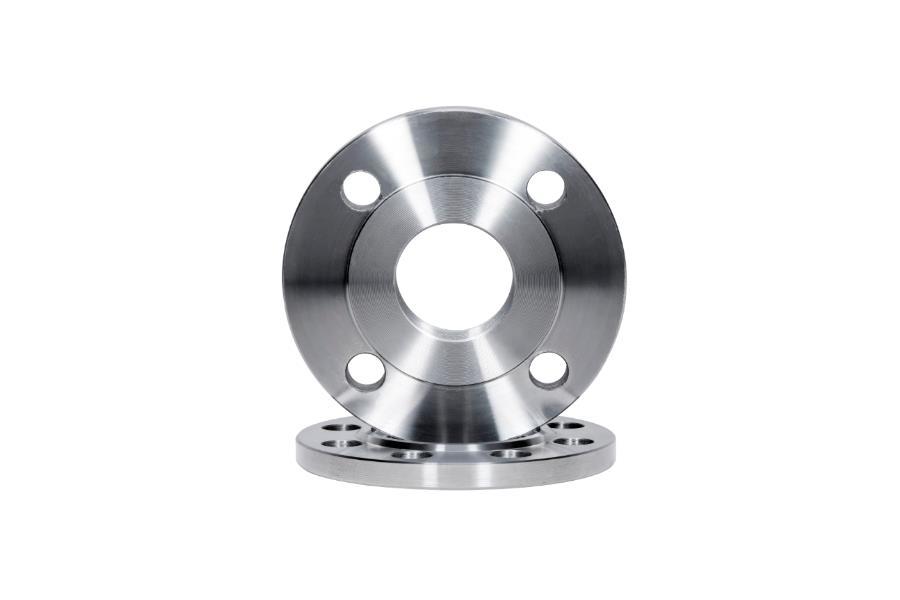
One of the primary advantages of flanged connections is their ability to accommodate thermal expansion and contraction. In many construction applications, temperature fluctuations can lead to significant changes in the dimensions of piping materials. Flanged connections can effectively absorb these changes without compromising the overall integrity of the system. Additionally, the flexibility of flanged connections makes them suitable for various configurations, enabling engineers and designers to create complex piping systems tailored to specific project requirements.
When selecting flanged connections for a project, several factors should be considered. Firstly, the material of the flange is crucial. Common materials include stainless steel, carbon steel, and plastic, each offering distinct benefits in terms of corrosion resistance, strength, and weight. The choice of material will depend on the specific environmental conditions the piping system will face, such as exposure to chemicals, moisture, or extreme temperatures.
Another important consideration is the flange size and pressure rating. Flanges come in various sizes, and matching the correct size to the pipe diameter is essential for ensuring a proper fit. Furthermore, understanding the pressure requirements of the system is vital. Flanged connections are rated for specific pressure levels, and exceeding these limits can lead to catastrophic failures. Therefore, consulting industry standards and guidelines is crucial when determining the appropriate size and rating for your flanged connections.
Gaskets are another critical component of flanged connections. They ensure a tight seal between the two flange faces, preventing leakage and maintaining system integrity. The choice of gasket material should be based on the operating conditions, including temperature, pressure, and the nature of the fluids involved. Regular inspection and maintenance of gaskets are essential to ensure their longevity and effectiveness in preventing leaks.
In conclusion, flanged connections are indispensable in the construction and decorative materials industry, providing a robust solution for joining various piping components. By understanding the key factors involved in selecting and maintaining these connections, professionals can ensure the safety and efficiency of their piping systems. Whether you are designing a new system or maintaining an existing one, proper attention to flanged connections will contribute significantly to the overall success of your projects.
Latest developments
Understanding Flanged Connections: Key Considerations for Construction and Decorative Materials
Flanged connections serve as critical components in piping systems across various industries, especially in construction and decorative materials. These connections provide a reliable means of joining pipes, valves, and other equipment, ensuring a secure and leak-free operation. The design of flanged connections consists of two flange faces, which are typically bolted together, allowing for easy a
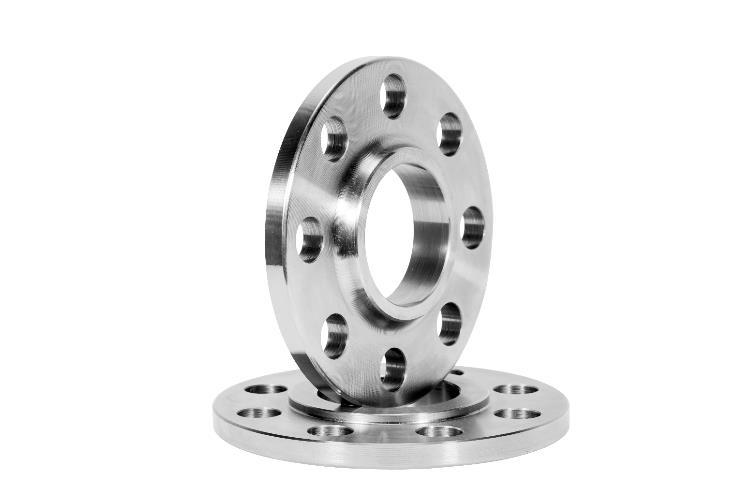
Sliding Flanges: Essential Components for Optimal HVAC Systems
Sliding Flanges: Essential Components for Optimal HVAC Systems Table of Contents 1. Introduction to Sliding Flanges in HVAC Systems 2. Understanding Sliding Flanges: What They Are and How They Work 3. Benefits of Using Sliding Flanges in HVAC Applications 4. Applications of Sliding Flanges in HVAC Systems 5. Key Criteria for Selecting Sliding Flanges 6. Maintenance Tips

quality Forged High Neck Flange manufacturers
The Forged High Neck Flange is manufactured using advanced forging technology. The forging process makes the internal structure of the metal material denser, greatly improving the flange's strength and toughness. Compared to ordinary cast flanges, it can withstand higher pressure and impact forces, ensuring long-term stable use even under complex operating conditions, effectively reducing the risk of damage caused by external impacts.
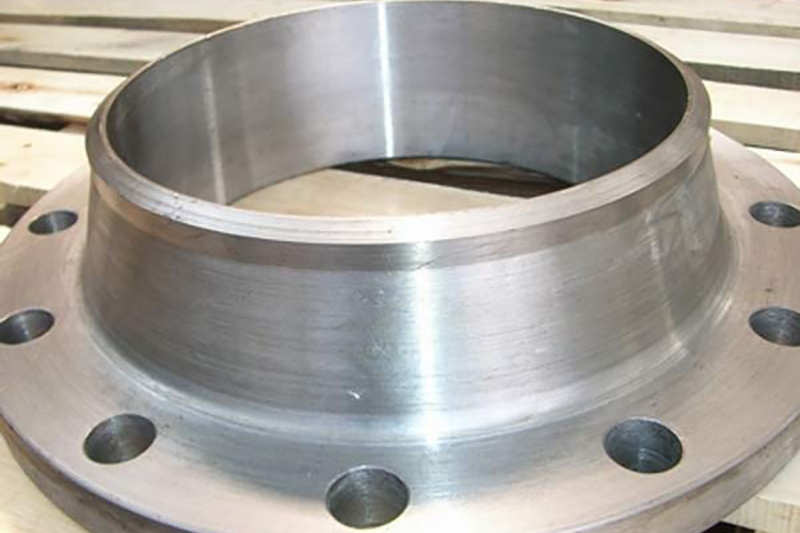
The Importance of High Neck Flanges in Construction and Decorative Materials
High neck flanges are specialized fittings used in various piping systems within the construction and decorative materials sectors. Characterized by their extended neck, these flanges provide enhanced structural integrity and a secure connection between pipes and other components. The design of high neck flanges allows for better alignment and support, which is particularly important in high-press
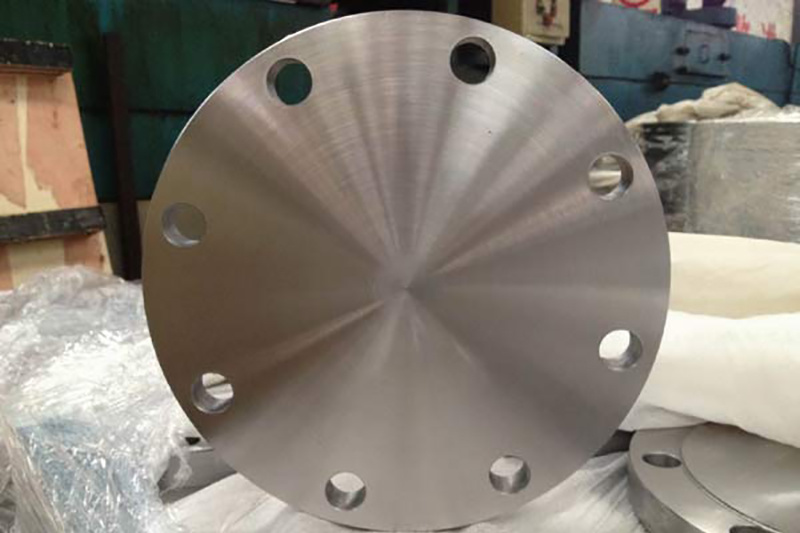
Flat Flanges in Civil Engineering: A Comprehensive Case Study Analysis
Flat Flanges in Civil Engineering: A Comprehensive Case Study Analysis Table of Contents 1. Introduction to Flat Flanges in Civil Engineering 2. Importance of Flat Flanges in Construction 2.1 Applications of Flat Flanges 2.2 Benefits of Using Flat Flanges 3. Engineering Principles Behind Flat Flanges 4. Design Considerations for Flat Flanges 5. Case Studies: Flat Flanges in Action
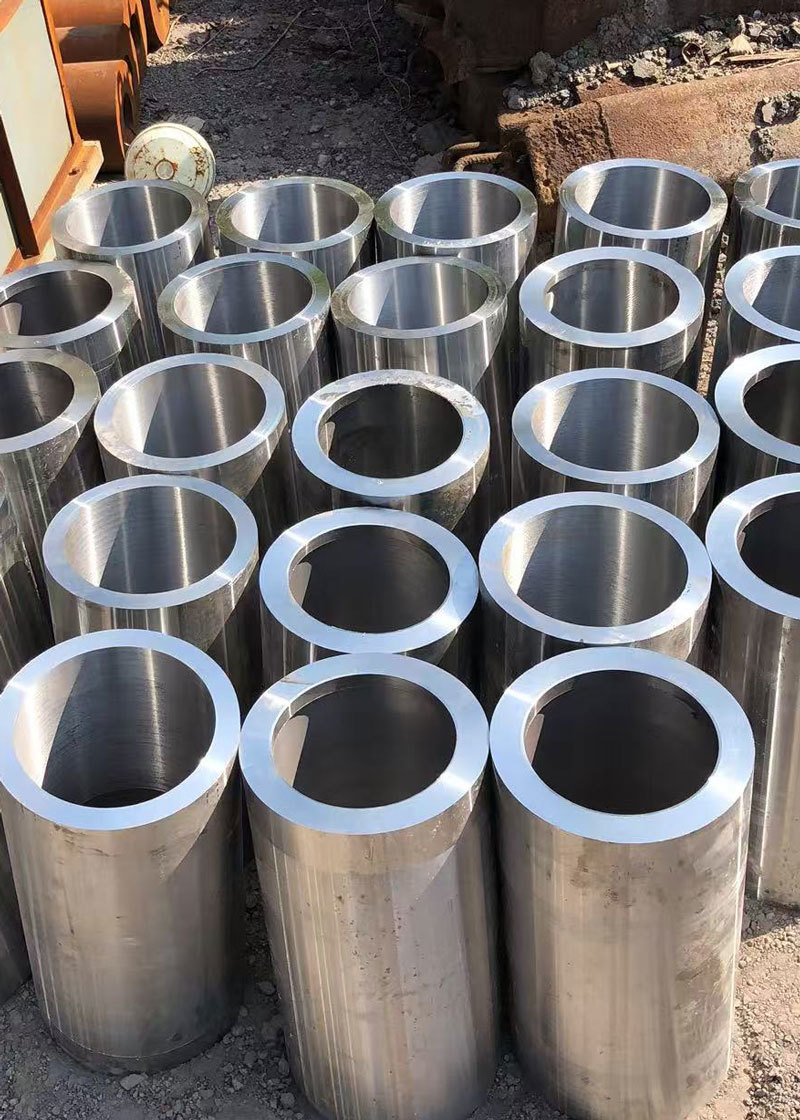
Exploring the Role of Forged Steel in the Construction Industry
In the construction and decorative materials industry, the use of steel industries forgings plays a pivotal role. Forged steel refers to the process of shaping steel through localized compressive forces, which results in enhanced strength, durability, and resistance to wear and tear. This manufacturing method is particularly advantageous in producing components that require high structural integri
Shandong Xinhao Forging Co.,Ltd.
Tel:+86-15098858482
WeChat: 543983004
Email:xinhaoflange@gmail.com
Whatsapp:8615098858482
Website:www.xhflange.com

TikTok