

Understanding Flanged Connections: Essential Insights for Construction and Decoration Materials
Release time:
2026-07-20
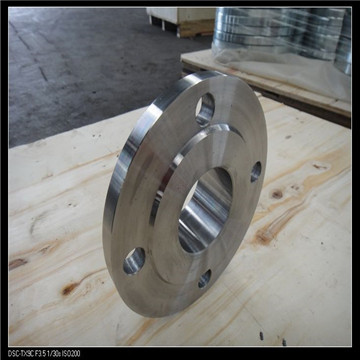
Flanged connections are a pivotal component in the construction and decoration materials sector, particularly when it comes to piping and fittings. Understanding their functionality and applications can significantly enhance the efficiency and reliability of your projects. A flanged connection involves the joining of two pieces of equipment or piping through a flange, which is a protruding rim or
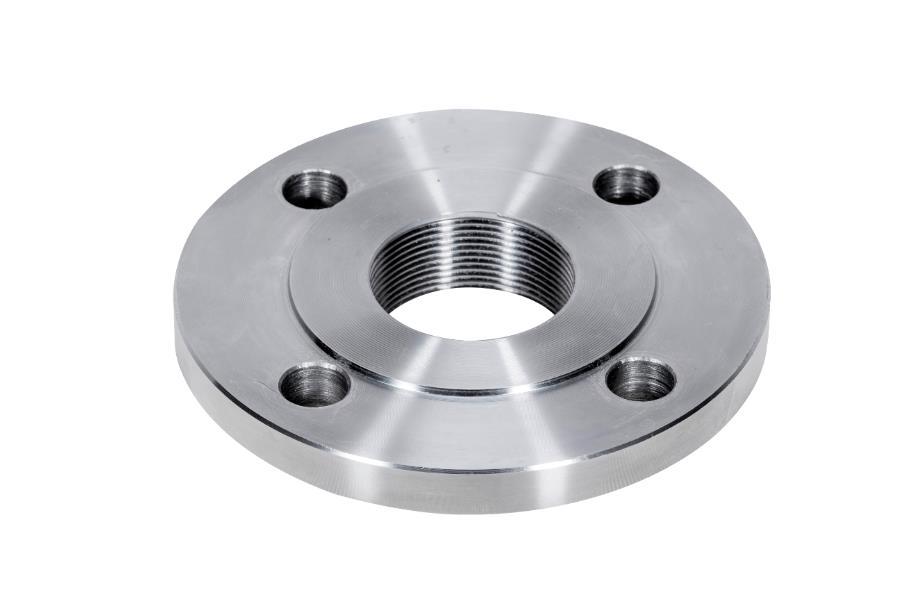
A flanged connection involves the joining of two pieces of equipment or piping through a flange, which is a protruding rim or edge. These connections are widely used due to their ability to create a tight seal while allowing for easy disassembly. This makes them ideal for various applications in construction, where accessibility and maintenance are crucial.
There are several types of flanged connections, including weld neck, slip-on, blind, and threaded flanges, each designed for specific applications. For instance, weld neck flanges are often utilized in high-pressure systems due to their strong, robust design, while slip-on flanges offer easier alignment and lower installation costs. Understanding these differences ensures that you select the appropriate type for your specific needs.
One of the main benefits of flanged connections is their adaptability. They can accommodate thermal expansion and contraction, a vital feature in environments where temperature fluctuations are common. Additionally, flanged connections provide superior strength, making them suitable for high-stress applications. This durability translates to a longer lifespan for your piping systems, reducing the frequency and costs associated with repairs and replacements.
Installation of flanged connections requires careful consideration to ensure a proper fit and seal. It is crucial to inspect the flange faces for any irregularities before assembly. Gaskets are commonly used between flanges to enhance sealing; selecting the right gasket material is essential to withstand the specific conditions of the environment, such as chemical exposure or temperature extremes.
Furthermore, regular maintenance of flanged connections is vital to ensure their ongoing reliability. Routine inspections can help detect any signs of wear or leaks early on, preventing potential failures that could disrupt operations. Effective maintenance practices include checking for corrosion, ensuring proper torque on bolts, and replacing gaskets as needed.
In summary, flanged connections are an integral aspect of piping systems in the construction and decoration materials industry. Their versatility, strength, and ease of maintenance make them a preferred choice for many applications. By understanding the different types available, their benefits, and proper installation techniques, you can leverage flanged connections to enhance the integrity and performance of your projects.
Latest developments

The Historical Evolution of Stainless Steel Forging Methods: A Comprehensive Analysis
The Historical Evolution of Stainless Steel Forging Methods Introduction to Stainless Steel Forging Stainless steel forging has come a long way since its inception in the early 20th century. This process involves shaping stainless steel through the application of compressive forces, resulting in enhanced mechanical properties and durability. Understanding the evolution of these forging methods is

Understanding Non-Standard Flanges: Essential Insights for the Construction and Decoration Industry
Non-standard flanges are integral components in piping systems, primarily used to connect pipes, valves, and other equipment. Unlike standard flanges, which adhere to widely accepted dimensions and specifications, non-standard flanges are custom-made to fit specific project requirements. This customization is often necessary when dealing with unique designs, unusual materials, or specific pressure
Incorporating Japanese Standard Flanges into Your Design Plans: A Comprehensive Guide
Incorporating Japanese Standard Flanges into Your Design Plans: A Comprehensive Guide Table of Contents Introduction to Japanese Standard Flanges Understanding Flanges: Types and Functions What Are Japanese Standard Flanges? Applications of Japanese Standard Flanges in Various Industries Benefits of Using Japanese Standard Flanges Design Integration: How to
Understanding American Standard Flanges: A Comprehensive Guide for Professionals
When it comes to piping systems, the American standard flange plays a pivotal role in ensuring reliable connections between various components. These flanges, adhering to specific dimensions and standards, are essential for creating secure joints that can withstand pressure and temperature variations in numerous applications. American standard flanges are typically made from materials such as carb
Mastering DIY: Essential Tips for Working with Threaded Flanges at Home
Mastering DIY: Essential Tips for Working with Threaded Flanges at Home Table of Contents Understanding Threaded Flanges: A Comprehensive Overview The Importance of Threaded Flanges in Home Projects Essential Tools and Materials for Working with Threaded Flanges Preparation Steps Before Starting Your Project Step-by-Step Guide to Installing Threaded Flanges Common Mistakes
Understanding Flanged Connections in Building and Decoration Materials
Flanged connections are a fundamental component in piping systems within the construction and decoration materials sector. These connections consist of two flanges, which are typically flat pieces of metal that are bolted together, creating a secure joint. This method of joining pipes, valves, and fittings is favored due to its reliability, ease of maintenance, and ability to handle high pressure
Shandong Xinhao Forging Co.,Ltd.
Tel:+86-15098858482
WeChat: 543983004
Email:xinhaoflange@gmail.com
Whatsapp:8615098858482
Website:www.xhflange.com

TikTok