

Debunking Myths About Sliding Flanges in the Construction Industry
Release time:
2026-07-17
Debunking Myths About Sliding Flanges in the Construction Industry Introduction to Sliding Flanges In the realm of construction and piping systems, **sliding flanges** stand out as crucial components. Their applications extend across various industries, from oil and gas to water treatment. Despite their importance, several myths surround these flanges, leading to misunderstandings that can affect

Debunking Myths About Sliding Flanges in the Construction Industry
Introduction to Sliding Flanges
In the realm of construction and piping systems, **sliding flanges** stand out as crucial components. Their applications extend across various industries, from oil and gas to water treatment. Despite their importance, several myths surround these flanges, leading to misunderstandings that can affect project outcomes. By debunking these myths, we aim to provide a clearer understanding of sliding flanges and their vital role in construction.
Table of Contents
1. What Are Sliding Flanges?
2. Common Myths About Sliding Flanges
2.1 Myth 1: Sliding Flanges Are Only Used in Low-Pressure Systems
2.2 Myth 2: All Sliding Flanges Are the Same
2.3 Myth 3: Sliding Flanges Lead to Leakage
2.4 Myth 4: Installation of Sliding Flanges Is Complicated
2.5 Myth 5: Sliding Flanges Are Outdated Technology
3. The Importance of Sliding Flanges in Construction
4. How to Choose the Right Sliding Flange
4.1 Material Considerations
4.2 Size and Pressure Ratings
5. Best Practices for Installation and Maintenance
6. FAQs About Sliding Flanges
7. Conclusion
1. What Are Sliding Flanges?
**Sliding flanges**, often referred to as **slip-on flanges**, are a type of flange that is designed to fit over the pipe's end without requiring a weld. This design facilitates easy alignment during installation and provides a robust connection once bolted down. Typically, they are used in situations where significant thermal expansion or contraction is expected, as they allow the pipe to move freely.
2. Common Myths About Sliding Flanges
Understanding the myths surrounding sliding flanges is essential for making informed decisions in construction projects. Below, we clarify five prevalent misconceptions.
2.1 Myth 1: Sliding Flanges Are Only Used in Low-Pressure Systems
A common belief is that sliding flanges are suitable only for low-pressure applications. In reality, sliding flanges can be utilized in high-pressure systems, provided they are constructed from appropriate materials and designed correctly. It’s crucial to select the right flange based on pressure ratings, material strength, and application type.
2.2 Myth 2: All Sliding Flanges Are the Same
Not all sliding flanges are created equal. They come in various materials, sizes, and designs suited for different applications. For instance, stainless steel flanges are preferable in corrosive environments, while carbon steel flanges are commonly used in standard applications. It’s vital to understand the specifications that meet project requirements rather than assuming uniformity across all sliding flanges.
2.3 Myth 3: Sliding Flanges Lead to Leakage
Another prevalent myth is that sliding flanges are prone to leaks. When properly installed and maintained, sliding flanges can provide a leak-tight seal. The key lies in ensuring that the flange faces are clean and that the proper gaskets are used. Additionally, regular inspections can help identify any potential issues before they escalate.
2.4 Myth 4: Installation of Sliding Flanges Is Complicated
Many believe that installing sliding flanges requires specialized skills or tools. However, the installation process is quite straightforward. With a basic understanding of piping systems and proper tools, most professionals can install sliding flanges efficiently. Proper preparation is the key to a smooth installation process.
2.5 Myth 5: Sliding Flanges Are Outdated Technology
Some may argue that sliding flanges are obsolete due to advancements in flange technology. On the contrary, sliding flanges remain relevant due to their versatility and reliability. They are continually being improved in design and materials, making them suitable for modern applications, including high-temperature and high-pressure environments.
3. The Importance of Sliding Flanges in Construction
Sliding flanges play a pivotal role in construction and piping systems. Their ability to accommodate thermal expansion, ease of installation, and versatility make them indispensable in various projects. They facilitate efficient connections between pipes, ensuring fluid movements and minimizing wear on the system. Moreover, their design allows for easier disassembly, making maintenance and repairs more manageable.
4. How to Choose the Right Sliding Flange
Selecting the appropriate sliding flange for your application is critical for ensuring performance and longevity. Here are key considerations:
4.1 Material Considerations
The material of the sliding flange should be selected based on the environment and application. Common materials include:
- **Stainless Steel**: Ideal for corrosive environments.
- **Carbon Steel**: Cost-effective and suitable for standard applications.
- **Alloy Steel**: Offers high strength and temperature resistance.
Choosing the right material will enhance durability and performance.
4.2 Size and Pressure Ratings
Flanges come in various sizes and pressure ratings. It’s vital to ensure that the flange size matches the pipe diameter and that the pressure rating is suitable for the application. Consulting with a professional or referring to industry standards can help in making the appropriate selection.
5. Best Practices for Installation and Maintenance
Proper installation and maintenance of sliding flanges are essential for ensuring their effectiveness and longevity. Here are some best practices:
1. **Preparation**: Ensure that the pipe ends and flange faces are clean and free from contaminants.
2. **Alignment**: Align the flanges correctly to avoid stress on the flanges and the piping system.
3. **Gaskets**: Use high-quality gaskets suitable for the application to secure a leak-tight seal.
4. **Torque Specifications**: Follow the manufacturer’s torque specifications when tightening bolts.
5. **Regular Inspections**: Schedule routine inspections to check for signs of wear or potential leaks.
By adhering to these best practices, professionals can ensure that sliding flanges perform optimally throughout their lifespan.
6. FAQs About Sliding Flanges
What are the advantages of using sliding flanges?
Sliding flanges offer several advantages, including ease of installation, flexibility to accommodate thermal expansion, and the ability to disassemble easily for maintenance.
Can sliding flanges be used in high-pressure systems?
Yes, sliding flanges can be used in high-pressure applications, provided they are designed and manufactured to meet the specific pressure requirements.
How do I prevent leaks in sliding flanges?
To prevent leaks, ensure that flange faces are clean, use the appropriate gaskets, and follow proper installation techniques.
Are sliding flanges suitable for corrosive environments?
Yes, selecting stainless steel or other corrosion-resistant materials makes sliding flanges suitable for corrosive environments.
What factors should I consider when choosing a sliding flange?
Consider material type, flange size, pressure ratings, and the specific application requirements when choosing a sliding flange.
7. Conclusion
Sliding flanges are vital components in the construction and piping industry, yet their significance is often overshadowed by persistent myths and misconceptions. By debunking common misunderstandings, we have highlighted the importance of understanding sliding flanges, their applications, and best practices for installation and maintenance. Armed with this knowledge, industry professionals can make informed decisions that enhance the safety and efficiency of their projects. Embracing the facts about sliding flanges will not only improve project outcomes but also foster a deeper appreciation for these essential components in construction.
Previous
Latest developments
Debunking Myths About Sliding Flanges in the Construction Industry
Debunking Myths About Sliding Flanges in the Construction Industry Introduction to Sliding Flanges In the realm of construction and piping systems, **sliding flanges** stand out as crucial components. Their applications extend across various industries, from oil and gas to water treatment. Despite their importance, several myths surround these flanges, leading to misunderstandings that can affect
Understanding High Neck Flanges: A Key Component in Construction and Decorative Materials
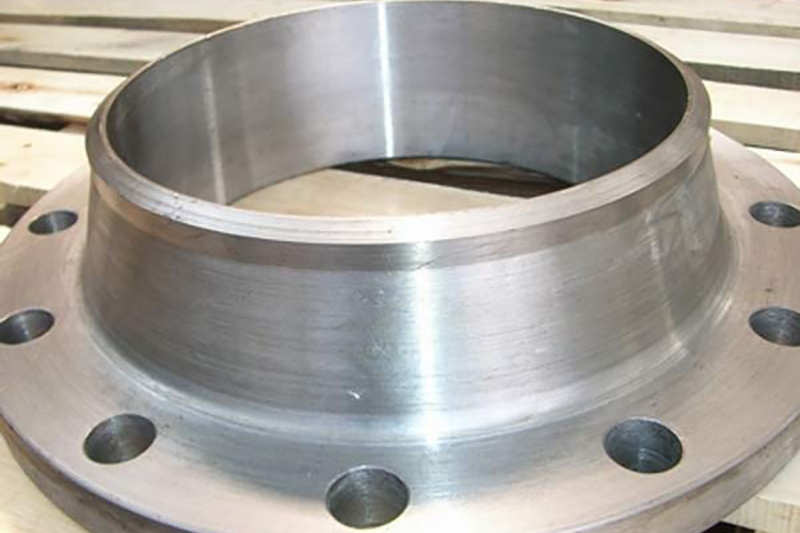
High neck flanges are essential components in various piping applications, particularly within the construction and decorative materials sector. These flanges are designed with an extended neck, allowing for a more robust connection between pipes. This design feature enhances the overall strength of the joint and minimizes the risk of leaks and failures, making them a preferred choice in demanding
Flat Flanges: The Essential Component for Robust Mechanical Connections
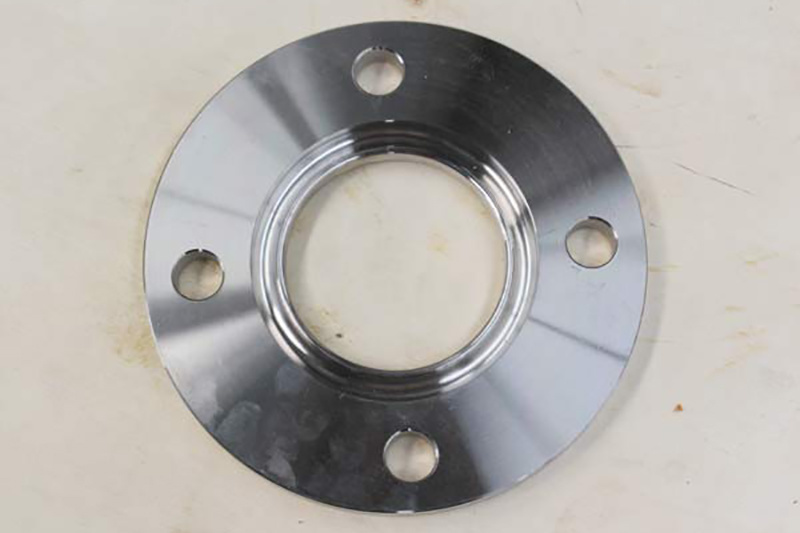
Flat Flanges: The Essential Component for Robust Mechanical Connections Table of Contents 1. Introduction to Flat Flanges 2. Understanding the Functionality of Flat Flanges 3. Types of Flat Flanges 3.1 Standard Flat Flanges 3.2 Slip-on Flanges 3.3 Blind Flanges 3.4 Weld Neck Flanges 4. Applications of Flat Flanges in Various Industries 5. Benefits of Using Flat Flanges 6. Ins
An Insight into Steel Industries Forgings: Enhancing Structural Integrity
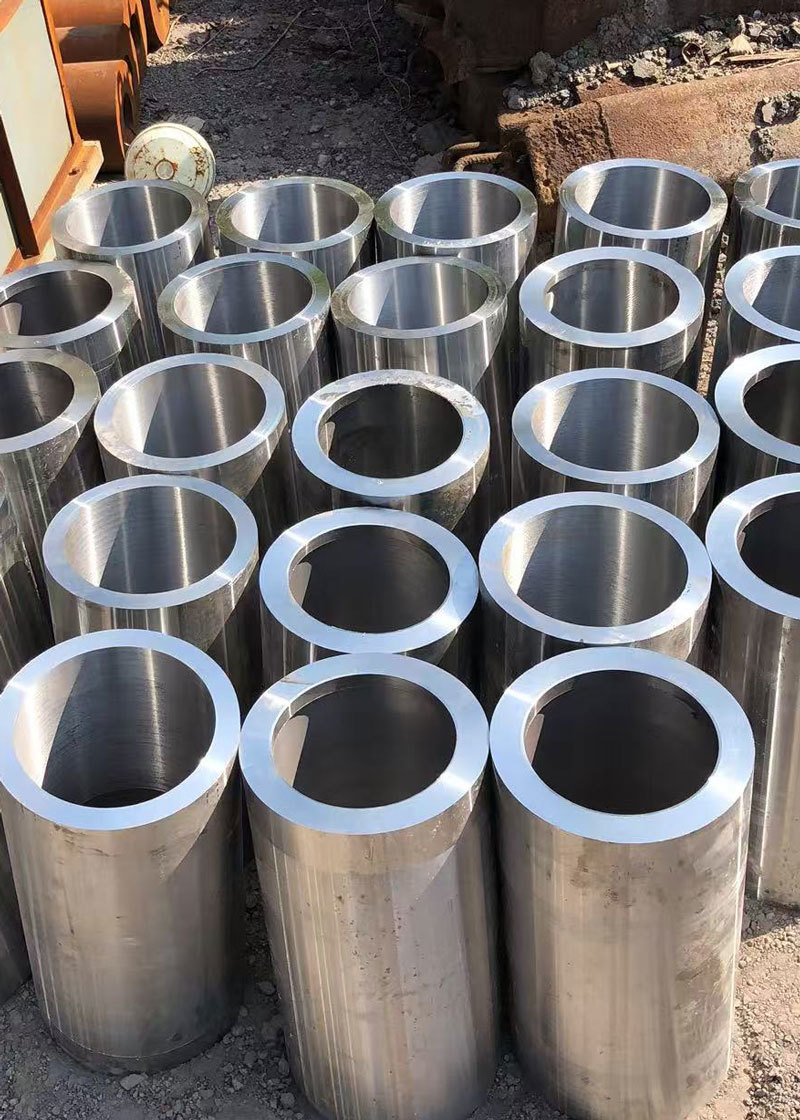
Steel industries forgings play a crucial role in the construction and architectural sectors, providing essential components that enhance the structural integrity of various projects. Forging is a manufacturing process where metal is shaped by applying compressive forces, resulting in a material that boasts superior mechanical properties compared to other processing methods. This enhancement in str
The Importance of Quality Control in Stainless Steel Forging: Ensuring Excellence and Reliability
The Importance of Quality Control in Stainless Steel Forging Stainless steel forging is a pivotal process in the metallurgical industry, widely recognized for its strength, durability, and resistance to corrosion. The demand for high-quality stainless steel products continues to rise across various sectors, including automotive, aerospace, medical, and construction. In this article, we will explor
Understanding Non-Standard Flanges: A Key Component in Building and Decorative Materials
Non-standard flanges are crucial components used in piping systems that do not conform to commonly accepted dimensions or specifications. These flanges are often tailored to meet unique project requirements, making them essential in various applications within the construction and decorative materials sectors. Unlike standard flanges, which are manufactured according to established norms, non-stan
Shandong Xinhao Forging Co.,Ltd.
Tel:+86-15098858482
WeChat: 543983004
Email:xinhaoflange@gmail.com
Whatsapp:8615098858482
Website:www.xhflange.com

TikTok