

The Versatility of Threaded Flanges in Different Industries
Release time:
2026-07-23
The Versatility of Threaded Flanges in Different Industries Introduction to Threaded Flanges Threaded flanges are critical components in piping systems, widely recognized for their ability to create strong, leak-proof connections. Their unique design allows them to be easily installed and removed, providing flexibility in various applications. This article delves into the numerous advantages o
The Versatility of Threaded Flanges in Different Industries
Introduction to Threaded Flanges
Threaded flanges are critical components in piping systems, widely recognized for their ability to create strong, leak-proof connections. Their unique design allows them to be easily installed and removed, providing flexibility in various applications. This article delves into the numerous advantages of threaded flanges and their relevance across different industries, including construction, oil and gas, water treatment, and more.
What Are Threaded Flanges?
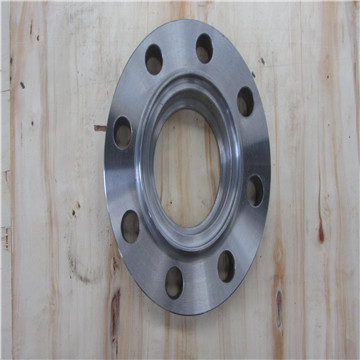
Threaded flanges are circular discs with a hole in the center, featuring internal threads that allow them to be screwed onto a pipe or fitting. Unlike welded flanges, which require welding for installation, threaded flanges can be easily installed without the need for specialized equipment. This ease of use makes them an attractive option for many industries.
Types of Threaded Flanges
There are several types of threaded flanges, each designed to meet specific needs:
1. Standard Threaded Flanges
Standard threaded flanges are the most commonly used type. They come in various sizes and materials, accommodating different applications.
2. Blind Threaded Flanges
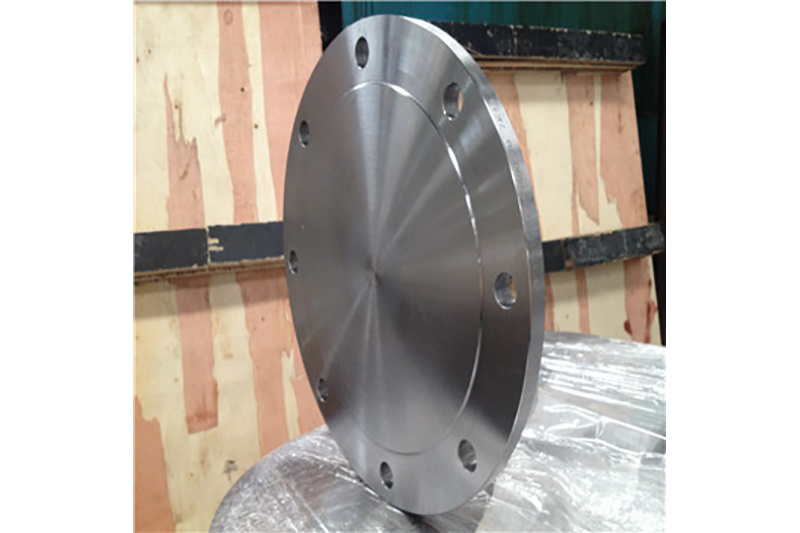
Blind threaded flanges do not have a center hole, making them ideal for sealing the end of a piping system or vessel.
3. Slip-On Threaded Flanges
Slip-on threaded flanges are designed to slide over the pipe before being threaded into place, offering additional flexibility during installation.
Key Benefits of Using Threaded Flanges
The appeal of threaded flanges stems from their numerous advantages:
1. Ease of Installation
One of the primary advantages of threaded flanges is their straightforward installation process. They can be attached to pipes without welding, reducing labor costs and installation time significantly.
2. Versatility in Applications
Threaded flanges are used in multiple industries, from oil and gas to water treatment, demonstrating their adaptability and effectiveness in various environments.
3. Reusability
Unlike welded flanges, threaded flanges can be removed and reused multiple times. This feature is particularly beneficial in temporary installations or maintenance scenarios.
4. Cost-Effective
Due to their simple installation and reusability, threaded flanges are often more cost-effective than their welded counterparts, saving both time and money in project budgets.
Applications of Threaded Flanges Across Industries
The versatility of threaded flanges makes them suitable for various applications. Here are some industries where they are commonly used:
1. Construction and Civil Engineering
In the construction industry, threaded flanges are frequently utilized in plumbing and HVAC systems. Their ability to create robust connections without complicated machinery makes them ideal for new builds and renovations alike.
2. Oil and Gas Industry
Threaded flanges play a pivotal role in the oil and gas sector. They are employed in pipelines, helping to connect various components securely while facilitating maintenance when necessary.
3. Water Treatment Facilities
In water treatment plants, threaded flanges are essential for connecting pipes and valves. Their resistance to corrosion and ease of installation make them well-suited for managing water flow effectively.
4. Chemical Processing
Threaded flanges are used in chemical processing plants to handle aggressive chemicals safely. Their design allows for the secure connection of reactors, tanks, and piping systems, preventing leaks and ensuring safety.
5. Food and Beverage Industry
In the food and beverage industry, cleanliness and hygiene are paramount. Threaded flanges made from stainless steel provide the necessary durability and resistance to contaminants, making them perfect for this sector.
Installation Process of Threaded Flanges
Understanding the installation process of threaded flanges can help ensure optimal performance and safety. Here’s a step-by-step guide:
1. Preparation
Before installation, ensure that both the flange and the pipe are clean and free from debris or rust. Proper preparation will guarantee a secure fit.
2. Aligning the Flange
Position the threaded flange onto the pipe, making sure that it is aligned correctly. Misalignment can lead to leaks and other issues.
3. Threading the Flange
Screw the flange onto the pipe, ensuring that it is threaded correctly. Use a wrench to tighten it securely but avoid overtightening, which could lead to damage.
4. Testing the Connection
Once installed, it’s important to test the connection for leaks. This step is crucial, especially in high-pressure applications.
Maintenance and Inspection of Threaded Flanges
Regular maintenance and inspections can extend the lifespan of threaded flanges and ensure their reliability.
1. Routine Checks
Conduct routine inspections to check for signs of wear, corrosion, or damage. Early detection can prevent more severe issues down the line.
2. Cleaning
Keep threaded flanges clean to avoid buildup of dirt and debris. Use appropriate cleaning solutions that are safe for the materials involved.
3. Retightening
Over time, threaded connections may loosen due to vibrations or temperature changes. Regularly retightening can help maintain a secure fit.
Choosing the Right Material for Threaded Flanges
Selecting the appropriate material for threaded flanges is essential. Common materials include:
1. Stainless Steel
Stainless steel flanges are resistant to corrosion and rust, making them ideal for high-humidity environments or applications involving chemicals.
2. Carbon Steel
Carbon steel flanges are durable and strong, suitable for heavy-duty applications. They are often used in construction and manufacturing.
3. PVC and Plastic Flanges
For less demanding applications, PVC and plastic flanges are lightweight and resistant to corrosion, perfect for water and drainage systems.
Frequently Asked Questions (FAQs)
1. What are the advantages of using threaded flanges over welded flanges?
Threaded flanges are easier to install and remove and allow for reusability, making them more economical for many projects.
2. Can threaded flanges be used in high-pressure applications?
Yes, threaded flanges are suitable for high-pressure applications when properly installed and maintained, especially when made from appropriate materials like stainless steel.
3. How often should threaded flanges be inspected?
It’s recommended to inspect threaded flanges regularly, ideally as part of routine maintenance checks, to ensure they remain secure and free of damage.
4. What industries utilize threaded flanges?
Threaded flanges are used across various industries, including construction, oil and gas, water treatment, chemical processing, and food and beverage manufacturing.
5. Are threaded flanges reusable?
Yes, one of the significant benefits of threaded flanges is their reusability, as they can be removed and reinstalled as needed without compromising their integrity.
Conclusion
Threaded flanges are indispensable components in many industries, offering unique advantages such as ease of installation, versatility, and cost-effectiveness. Their ability to create robust connections without the need for welding makes them suitable for various applications, from construction to chemical processing. By understanding their benefits, installation processes, and maintenance needs, industries can harness the full potential of threaded flanges, ensuring efficient and safe operations. As demands in construction and manufacturing continue to evolve, the importance of threaded flanges will undoubtedly remain a cornerstone of reliable piping systems.
Latest developments
Exploring the Role of Forgings in the Steel Industries
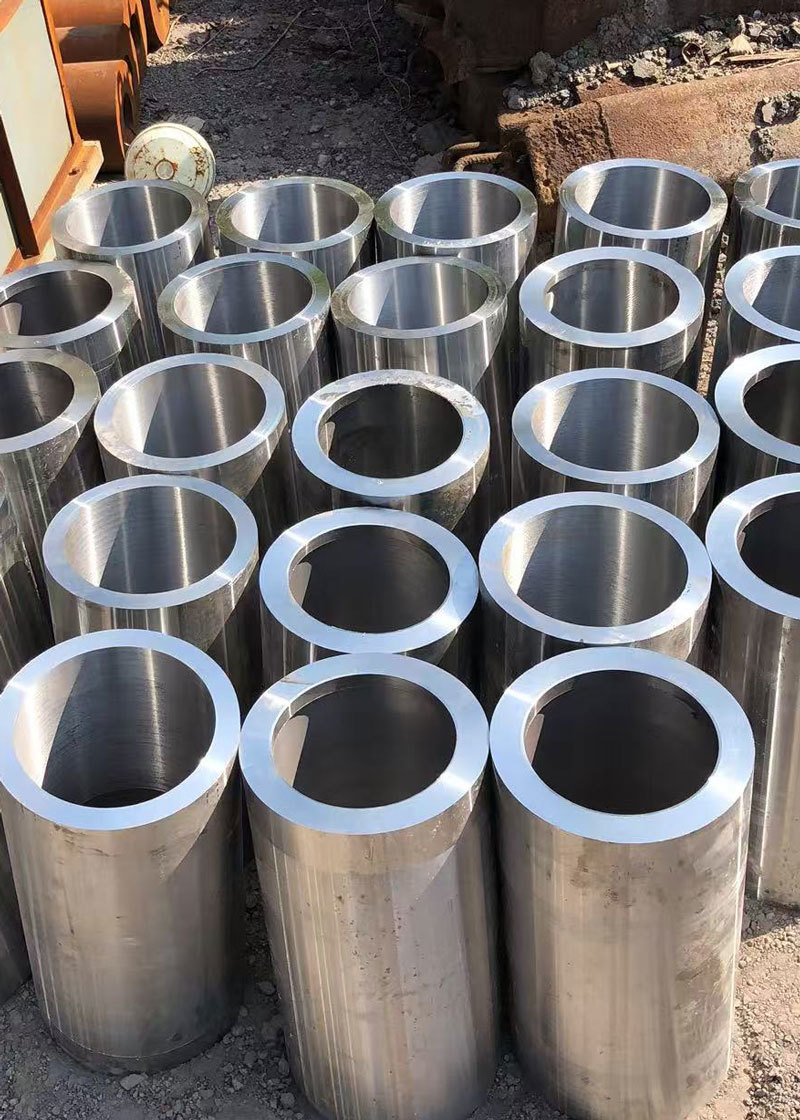
Forgings play a pivotal role in the steel industries, particularly in the manufacturing of components utilized in construction and decorative materials. This process involves shaping steel through deformation, which significantly enhances its mechanical properties compared to other manufacturing techniques such as casting. By understanding the benefits and applications of forgings, professionals c

The Historical Evolution of Stainless Steel Forging Methods: A Comprehensive Analysis
The Historical Evolution of Stainless Steel Forging Methods Introduction to Stainless Steel Forging Stainless steel forging has come a long way since its inception in the early 20th century. This process involves shaping stainless steel through the application of compressive forces, resulting in enhanced mechanical properties and durability. Understanding the evolution of these forging methods is

Understanding Non-Standard Flanges: Essential Insights for the Construction and Decoration Industry
Non-standard flanges are integral components in piping systems, primarily used to connect pipes, valves, and other equipment. Unlike standard flanges, which adhere to widely accepted dimensions and specifications, non-standard flanges are custom-made to fit specific project requirements. This customization is often necessary when dealing with unique designs, unusual materials, or specific pressure
Incorporating Japanese Standard Flanges into Your Design Plans: A Comprehensive Guide
Incorporating Japanese Standard Flanges into Your Design Plans: A Comprehensive Guide Table of Contents Introduction to Japanese Standard Flanges Understanding Flanges: Types and Functions What Are Japanese Standard Flanges? Applications of Japanese Standard Flanges in Various Industries Benefits of Using Japanese Standard Flanges Design Integration: How to
Understanding American Standard Flanges: A Comprehensive Guide for Professionals
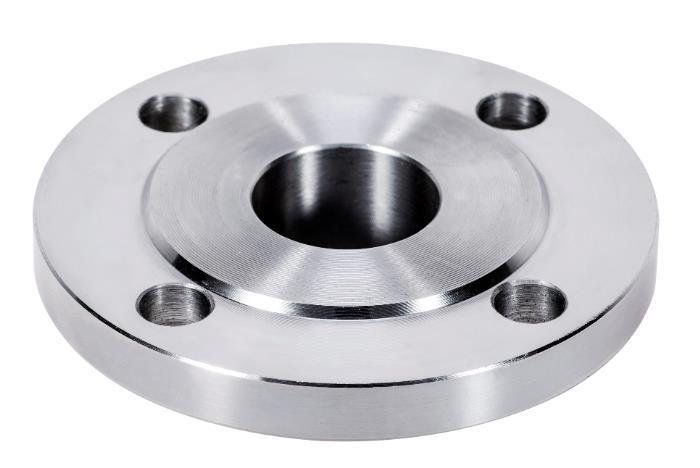
When it comes to piping systems, the American standard flange plays a pivotal role in ensuring reliable connections between various components. These flanges, adhering to specific dimensions and standards, are essential for creating secure joints that can withstand pressure and temperature variations in numerous applications. American standard flanges are typically made from materials such as carb
Mastering DIY: Essential Tips for Working with Threaded Flanges at Home
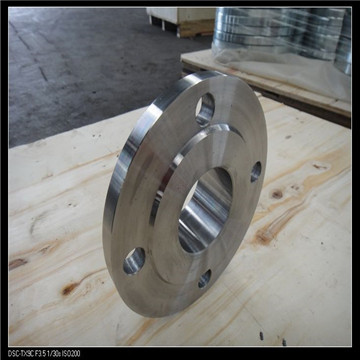
Mastering DIY: Essential Tips for Working with Threaded Flanges at Home Table of Contents Understanding Threaded Flanges: A Comprehensive Overview The Importance of Threaded Flanges in Home Projects Essential Tools and Materials for Working with Threaded Flanges Preparation Steps Before Starting Your Project Step-by-Step Guide to Installing Threaded Flanges Common Mistakes
Shandong Xinhao Forging Co.,Ltd.
Tel:+86-15098858482
WeChat: 543983004
Email:xinhaoflange@gmail.com
Whatsapp:8615098858482
Website:www.xhflange.com

TikTok