


Understanding American Standard Flanges: Essential Insights for Construction and Decoration
Release time:
2026-07-26
When it comes to piping systems in construction and decoration, American standard flanges play a pivotal role in ensuring secure connections between pipes and other components. These flanges are designed in accordance with the American National Standards Institute (ANSI) specifications, which means they conform to a set of established guidelines that guarantee quality and compatibility. American s
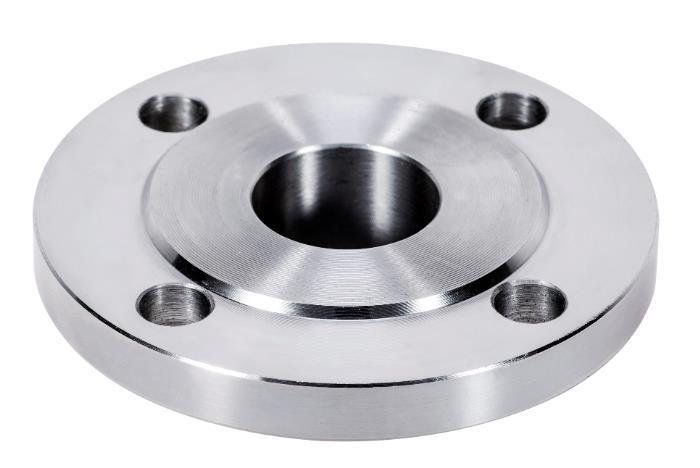
American standard flanges are available in various types, including slip-on, weld neck, blind, and threaded flanges. Each type serves a specific purpose, making it essential to choose the right one based on your project requirements. For instance, slip-on flanges are ideal for low-pressure applications due to their simple installation process, while weld neck flanges are preferred for high-pressure and temperature scenarios, as their design allows for a strong welded connection.
In addition to their types, American standard flanges are commonly categorized by their size and pressure ratings. The sizing typically follows a nominal diameter system, which makes it easier for professionals to match flanges with corresponding pipes. Pressure ratings, often defined in pounds per square inch (PSI), indicate the maximum pressure the flange can handle without risk of failure. Understanding these specifications is crucial for ensuring the longevity and reliability of your piping system.
One of the key advantages of using American standard flanges is their compatibility with various materials such as steel, stainless steel, and plastic. This versatility allows for seamless integration into different building projects, whether you are dealing with water supply systems, heating installations, or chemical processing plants. Furthermore, the standardized design means that these flanges can be sourced easily, helping to streamline procurement processes.
Another significant benefit of American standard flanges is their contribution to maintenance efficiency. In the event of system upgrades or repairs, flanges can be quickly disconnected and reattached without the need for extensive disassembly, thus saving both time and labor costs. This feature is particularly advantageous in commercial applications where downtime can lead to substantial financial losses.
As you consider incorporating American standard flanges into your projects, it's important to consult with industry professionals who can provide advice tailored to your specific needs. Ensuring proper installation and adherence to safety standards can further enhance the performance of your piping systems.
In summary, American standard flanges are a fundamental component in the construction and decoration materials industry. Their variety in type, size, and material compatibility ensures they can meet diverse project needs effectively. By understanding these aspects, you can make informed decisions that will contribute to the success and durability of your construction ventures.
Latest developments
Understanding American Standard Flanges: Essential Insights for Construction and Decoration
When it comes to piping systems in construction and decoration, American standard flanges play a pivotal role in ensuring secure connections between pipes and other components. These flanges are designed in accordance with the American National Standards Institute (ANSI) specifications, which means they conform to a set of established guidelines that guarantee quality and compatibility. American s
The Versatility of Threaded Flanges in Different Industries
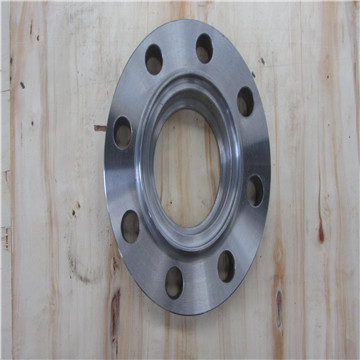
The Versatility of Threaded Flanges in Different Industries Introduction to Threaded Flanges Threaded flanges are critical components in piping systems, widely recognized for their ability to create strong, leak-proof connections. Their unique design allows them to be easily installed and removed, providing flexibility in various applications. This article delves into the numerous advantages o
Understanding Flanged Connections: Essential Insights for Construction and Decoration Materials
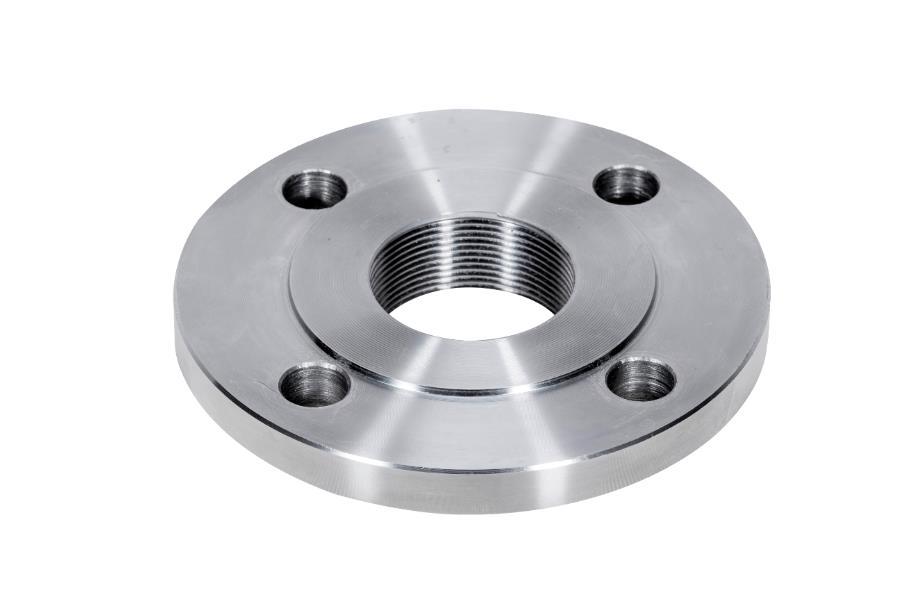
Flanged connections are a pivotal component in the construction and decoration materials sector, particularly when it comes to piping and fittings. Understanding their functionality and applications can significantly enhance the efficiency and reliability of your projects. A flanged connection involves the joining of two pieces of equipment or piping through a flange, which is a protruding rim or

Debunking Myths About Sliding Flanges in the Construction Industry
Debunking Myths About Sliding Flanges in the Construction Industry Introduction to Sliding Flanges In the realm of construction and piping systems, **sliding flanges** stand out as crucial components. Their applications extend across various industries, from oil and gas to water treatment. Despite their importance, several myths surround these flanges, leading to misunderstandings that can affect
Understanding High Neck Flanges: A Key Component in Construction and Decorative Materials
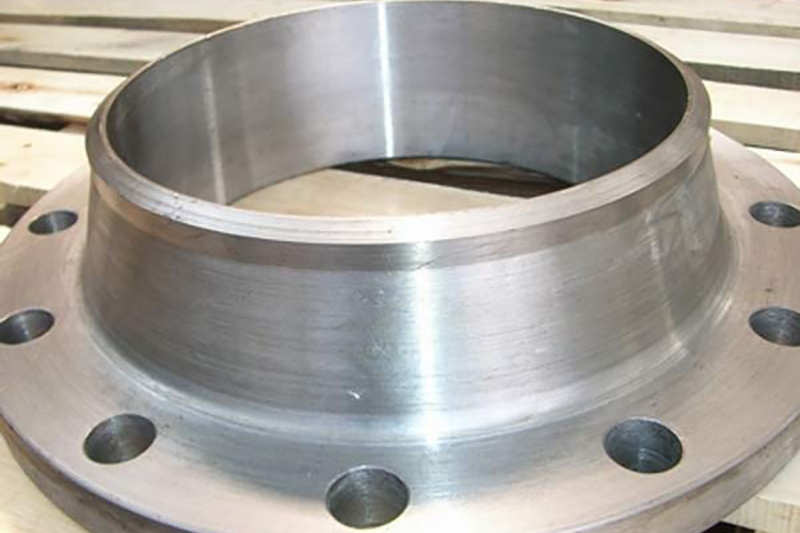
High neck flanges are essential components in various piping applications, particularly within the construction and decorative materials sector. These flanges are designed with an extended neck, allowing for a more robust connection between pipes. This design feature enhances the overall strength of the joint and minimizes the risk of leaks and failures, making them a preferred choice in demanding
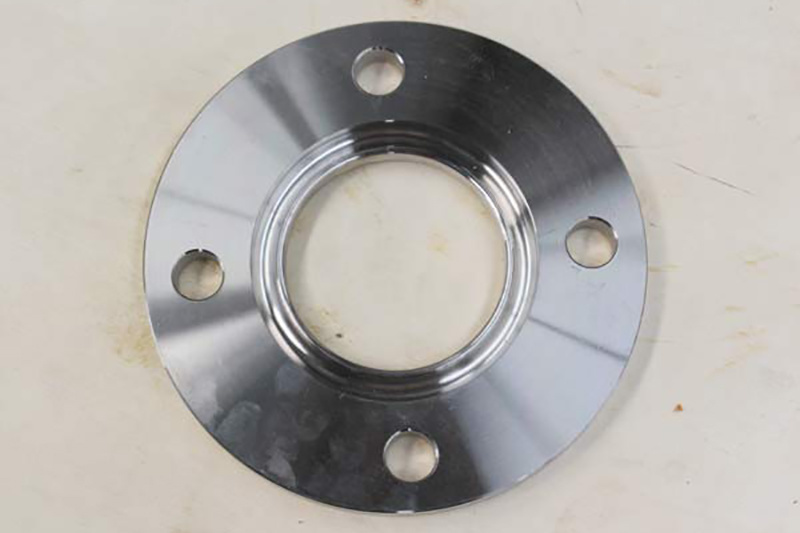
Flat Flanges: The Essential Component for Robust Mechanical Connections
Flat Flanges: The Essential Component for Robust Mechanical Connections Table of Contents 1. Introduction to Flat Flanges 2. Understanding the Functionality of Flat Flanges 3. Types of Flat Flanges 3.1 Standard Flat Flanges 3.2 Slip-on Flanges 3.3 Blind Flanges 3.4 Weld Neck Flanges 4. Applications of Flat Flanges in Various Industries 5. Benefits of Using Flat Flanges 6. Ins
Shandong Xinhao Forging Co.,Ltd.
Tel:+86-15098858482
WeChat: 543983004
Email:xinhaoflange@gmail.com
Whatsapp:8615098858482
Website:www.xhflange.com

TikTok