

Characteristics and Applications of Aluminum Alloy Flanges
Release time:
2021-04-05
Aluminum alloy flanges are components that connect pipes and tubes to each other. Their main function is to facilitate the connection between pipelines, and some flanges are used for connecting two devices at the inlet and outlet of equipment. Aluminum alloy flange connections or flange joints refer to the assembly formed by the flange plate and three bolts, which are interconnected as a group, allowing for a detachable and connectable sealing structure.
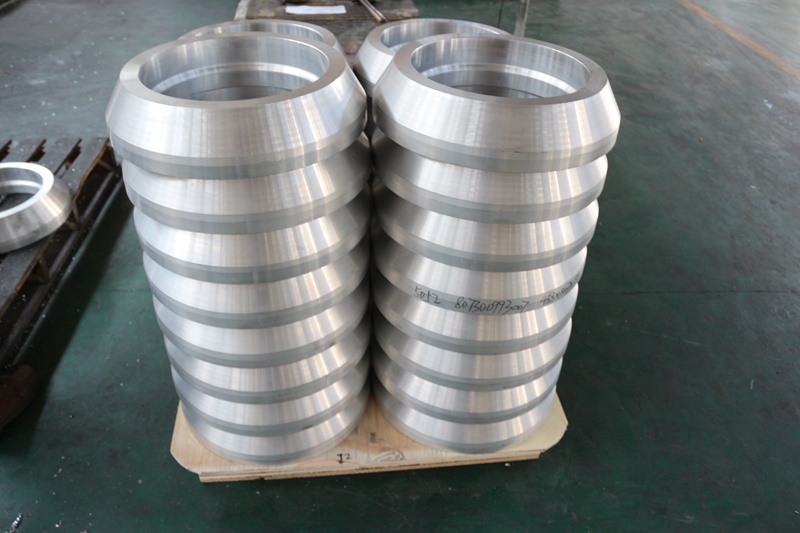
Aluminum alloy flanges are components that connect pipes and tubes, primarily used for the connection between pipelines, and some flanges used at the inlet and outlet of equipment for connecting two devices.Aluminum alloy flange connections or flange joints refer to the connection made by flange plates and three bolts, forming a group assembly with a removable and connectable sealing structure.
In aluminum alloy flanges, aluminum is a silvery-white lightweight metal with good ductility. In humid air, it can form a protective oxide film that prevents corrosion. Rice flour and aluminum foil can burn violently when heated in the air, producing dazzling white light. The characteristic of flanges is that they easily dissolve in diluted sulfuric acid, nitric acid, and hydrochloric acid solutions, but are difficult to dissolve in water. The aluminum element in aluminum alloy flanges ranks third in abundance in the Earth's crust, following oxygen and silicon.3It is a metal element with a rich content.
In the three important industrial developments of aviation, construction, and automotive, the unique properties of aluminum and aluminum alloys are required, which further facilitates the production and application of the new metal aluminum. Therefore, the application of aluminum alloy flanges is now very widespread. The overall connection of aluminum alloy flanges is done through a plug-in method, meaning that when connecting ducts of the same size, a fire-retardant sealing strip is adhered to the groove of the thermal insulation section of the branch pipe, and the adhered sealing strip should be very tight and flat, with no defects.
After the fire-retardant sealing strip is applied, align the fragments of the sealing plate, then temporarily fix them with a large pliers to tear, and then install the insert strip on the outer buckle section of the flange. Aluminum alloy flanges are currently manufactured as fastening components in the aerospace field. Now, aluminum alloy flanges have corrosion resistance, which is a condition that some other materials do not possess. Due to the presence of a strong film on the surface of aluminum alloy, this film covers the surface of the aluminum alloy, isolating it from oxygen.
As time goes on, this film will continue to thicken. If this layer of film is damaged, it will regenerate to protect us, which gives aluminum alloy flanges excellent corrosion resistance. Of course, surface treatment is still required in the later stages to enhance the corrosion resistance of aluminum alloys. Many people think that it is a material that does not oxidize, but this idea is incorrect; it is just that the conditions and degrees of oxidation are different. If the protective film on the surface of the aluminum alloy flange is damaged, then its body will also oxidize.
Previous
Latest developments
Quality Standards in the Forging of Stainless Steel Products: Ensuring Excellence in Metallurgy
Quality Standards in the Forging of Stainless Steel Products Table of Contents Introduction to Stainless Steel Forging The Importance of Quality Standards in Forging Types of Stainless Steel Used in Forging Common Forging Processes in Stainless Steel Manufacturing Quality Assurance Methodologies in Stainless Steel Forging Testing and Certification of Stainless Steel Products Global
Understanding Non-Standard Flanges: A Key Component in Architectural Applications
Non-standard flanges are specialized components that deviate from conventional sizing and design specifications. Unlike standard flanges, which adhere to established dimensions and pressure ratings, non-standard flanges are custom-made to meet unique project requirements. These flanges are crucial in various architectural and construction applications, particularly when dealing with unconventional
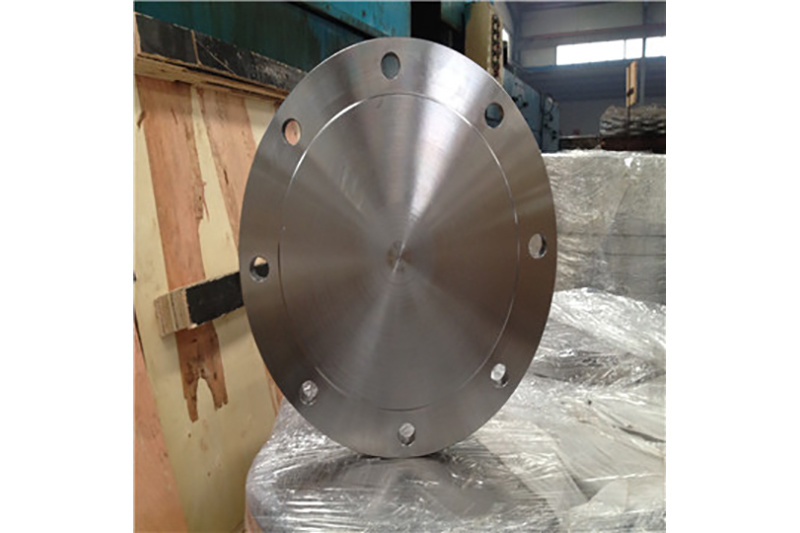
The Importance of Quality Control for Japanese Standard Flanges: Ensuring Durability and Reliability
The Importance of Quality Control for Japanese Standard Flanges In the construction and manufacturing sectors, the significance of quality control cannot be overstated, especially for components as crucial as flanges. Japanese standard flanges, known for their precision and durability, require stringent quality control measures to meet the demands of various applications. This article delves into
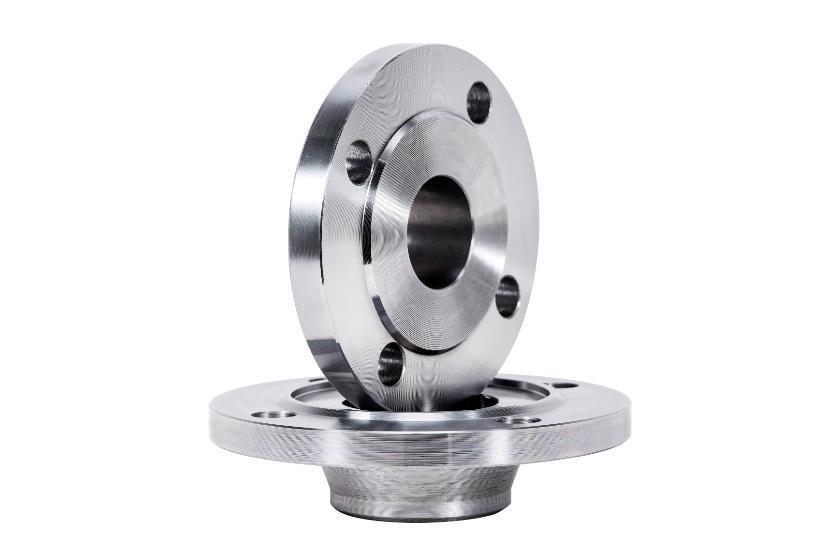
Understanding American Standard Flange in Construction and Decoration Materials
American standard flanges are critical components in the field of construction and decorative materials, particularly in piping systems. These flanges adhere to specific standards established by organizations such as the American National Standards Institute (ANSI) and the American Society of Mechanical Engineers (ASME). Their design and specifications are essential for ensuring compatibility and
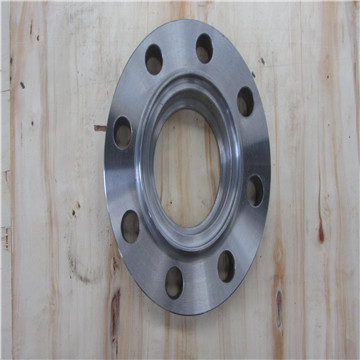
Exploring the Advantages of Using Threaded Flanges in HVAC Systems
Exploring the Advantages of Using Threaded Flanges in HVAC Systems Table of Contents 1. Introduction to Threaded Flanges in HVAC 2. Understanding Threaded Flanges 3. Benefits of Using Threaded Flanges in HVAC Systems 3.1 Superior Sealing Capability 3.2 Ease of Installation and Maintenance 3.3 Cost-Effectiveness 3.4 Versatility i

The Essential Guide to Flanged Connections in Building and Decorative Materials
Flanged connections are vital components in the construction and decorative materials sector, especially in the context of piping systems and fittings. Understanding their function, design, and application can significantly enhance the efficiency and reliability of installations. A flanged connection involves two flanges, which are flat pieces of material with holes for bolts. These flanges are bo
Shandong Xinhao Forging Co.,Ltd.
Tel:+86-15098858482
WeChat: 543983004
Email:xinhaoflange@gmail.com
Whatsapp:8615098858482
Website:www.xhflange.com

TikTok