

Precautions in the manufacturing process of aluminum alloy forged rings
Release time:
2021-04-20
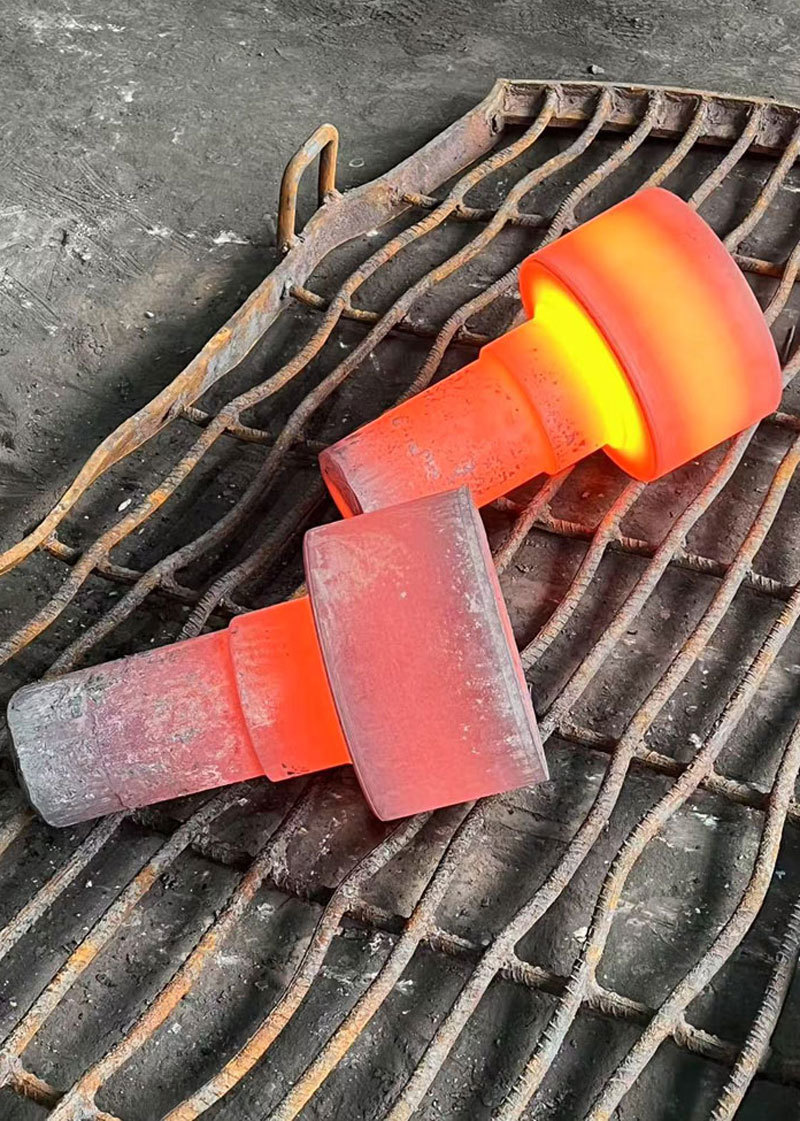
Aluminum alloy forged rings are a type of product produced in the forging industry, and they are also a kind of exercise. They are made of metal materials, which are shaped into a very suitable compression ring under the application of external pressure, through plastic deformation. This force is typically achieved by using a hammer or pressure.

Aluminum alloy forged rings are a type of product produced in the forging industry, and they are also a kind of exercise.They are metallic materials that, under the application of external pressure, are shaped into a very suitable compressive force ring-shaped object through plastic deformation. This force is typically achieved by using a hammer or pressure.
The manufacturing process of aluminum alloy forged rings builds a delicate granular structure and also improves the physical properties of the metal. Ring-shaped forgings can be seen everywhere in daily life; they are a typical industrial product. The application of aluminum alloy forged rings is very extensive, and every industry can use them. When producing aluminum alloy forged rings, it is important to note that one should not directly use hands or feet to clean the oxide scale on the anvil.
Because when blowing off the oxide scale with compressed air, there should not be anyone standing on the opposite side. Before the hammerhead has stabilized, remember not to extend your body or any part under the fist to pick up or place tools or workpieces. When changing molds or when a hammer gets stuck, and the forging is stuck on the break membrane, the power source should be immediately cut off, and work can only proceed after support is provided.
Do not forge materials that are overheated or below the final forging temperature to avoid breaking and flying out, which could injure people and cause unnecessary damage. Additionally, hot forgings or tools should not be placed in passageways, as this could create safety hazards if not careful. Aluminum alloy springs should be placed in their designated locations and should not be stacked too high. Before starting work, it is necessary to wear the required protective gear and strictly follow the regulations.
Before starting work, carefully check the relevant electromechanical equipment, molds, tools, auxiliary facilities, and hydraulic pipelines to ensure that everything is safe and reliable. The shop should add lubricating oil to the equipment; if these preparations are not done, one should not directly start work and use the equipment. Before working in the forging factory, all tools used, such as hammerheads, hammer rods, molds, and other tools, should be preheated.
During the work process, raw materials should not be thrown from a distance; even when throwing from a close distance, protective barriers should be added. Aluminum alloy forged ring materials should not be thrown from the sidewalk; for some large ring-shaped broken wires, they must be securely clamped with pliers and transported by a crane.
Latest developments
Quality Standards in the Forging of Stainless Steel Products: Ensuring Excellence in Metallurgy
Quality Standards in the Forging of Stainless Steel Products Table of Contents Introduction to Stainless Steel Forging The Importance of Quality Standards in Forging Types of Stainless Steel Used in Forging Common Forging Processes in Stainless Steel Manufacturing Quality Assurance Methodologies in Stainless Steel Forging Testing and Certification of Stainless Steel Products Global
Understanding Non-Standard Flanges: A Key Component in Architectural Applications
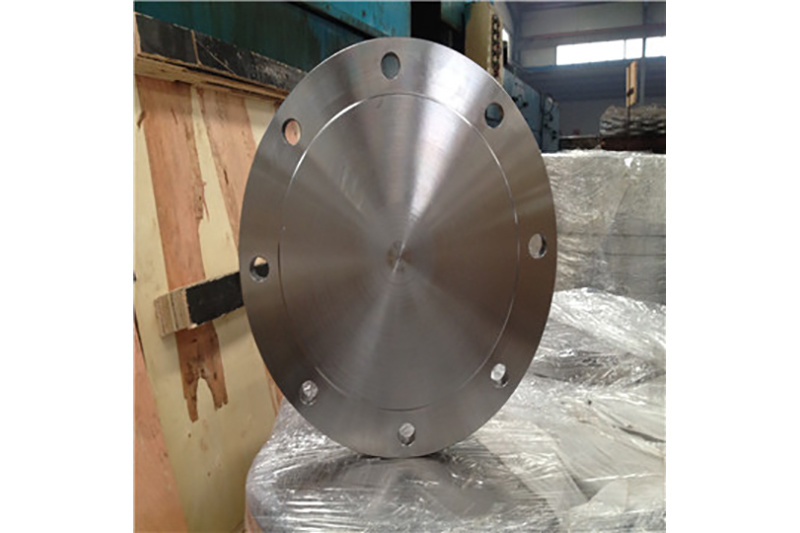
Non-standard flanges are specialized components that deviate from conventional sizing and design specifications. Unlike standard flanges, which adhere to established dimensions and pressure ratings, non-standard flanges are custom-made to meet unique project requirements. These flanges are crucial in various architectural and construction applications, particularly when dealing with unconventional
The Importance of Quality Control for Japanese Standard Flanges: Ensuring Durability and Reliability
The Importance of Quality Control for Japanese Standard Flanges In the construction and manufacturing sectors, the significance of quality control cannot be overstated, especially for components as crucial as flanges. Japanese standard flanges, known for their precision and durability, require stringent quality control measures to meet the demands of various applications. This article delves into
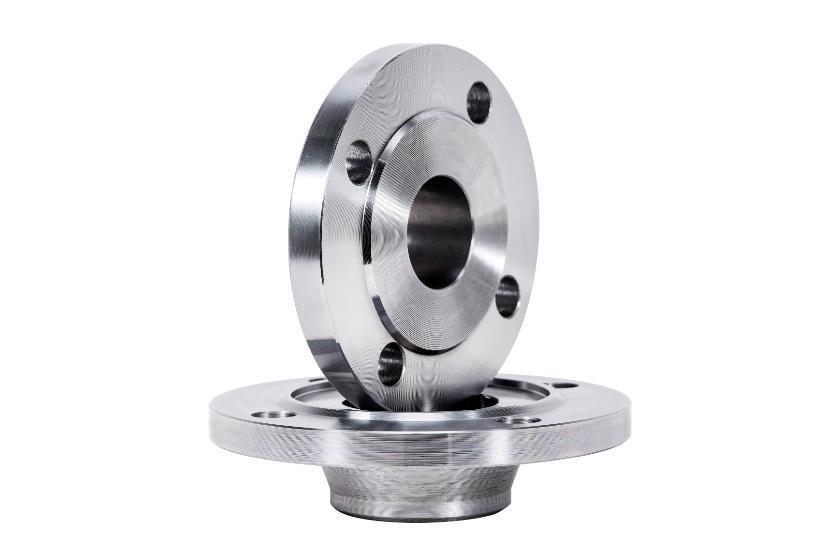
Understanding American Standard Flange in Construction and Decoration Materials
American standard flanges are critical components in the field of construction and decorative materials, particularly in piping systems. These flanges adhere to specific standards established by organizations such as the American National Standards Institute (ANSI) and the American Society of Mechanical Engineers (ASME). Their design and specifications are essential for ensuring compatibility and
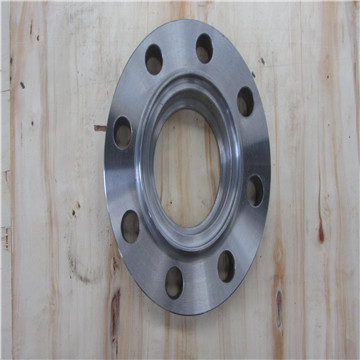
Exploring the Advantages of Using Threaded Flanges in HVAC Systems
Exploring the Advantages of Using Threaded Flanges in HVAC Systems Table of Contents 1. Introduction to Threaded Flanges in HVAC 2. Understanding Threaded Flanges 3. Benefits of Using Threaded Flanges in HVAC Systems 3.1 Superior Sealing Capability 3.2 Ease of Installation and Maintenance 3.3 Cost-Effectiveness 3.4 Versatility i

The Essential Guide to Flanged Connections in Building and Decorative Materials
Flanged connections are vital components in the construction and decorative materials sector, especially in the context of piping systems and fittings. Understanding their function, design, and application can significantly enhance the efficiency and reliability of installations. A flanged connection involves two flanges, which are flat pieces of material with holes for bolts. These flanges are bo
Shandong Xinhao Forging Co.,Ltd.
Tel:+86-15098858482
WeChat: 543983004
Email:xinhaoflange@gmail.com
Whatsapp:8615098858482
Website:www.xhflange.com

TikTok