

Production standards for chemical flanges!
Release time:
2021-05-20
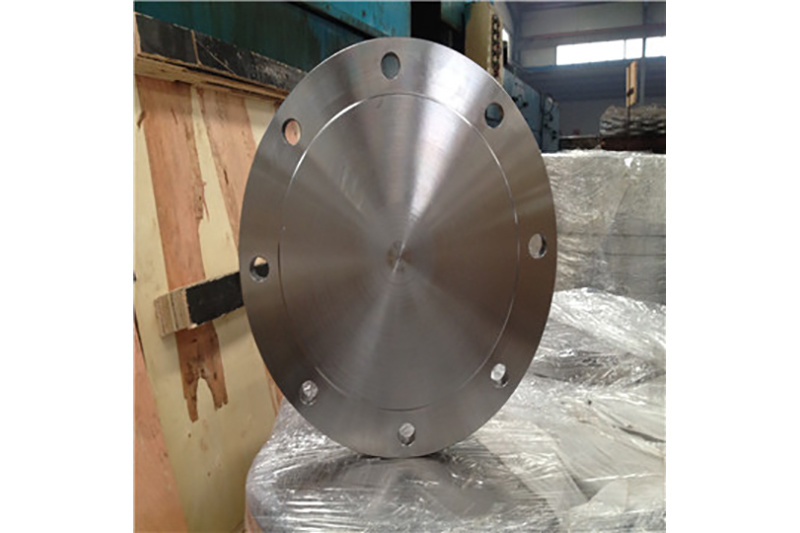
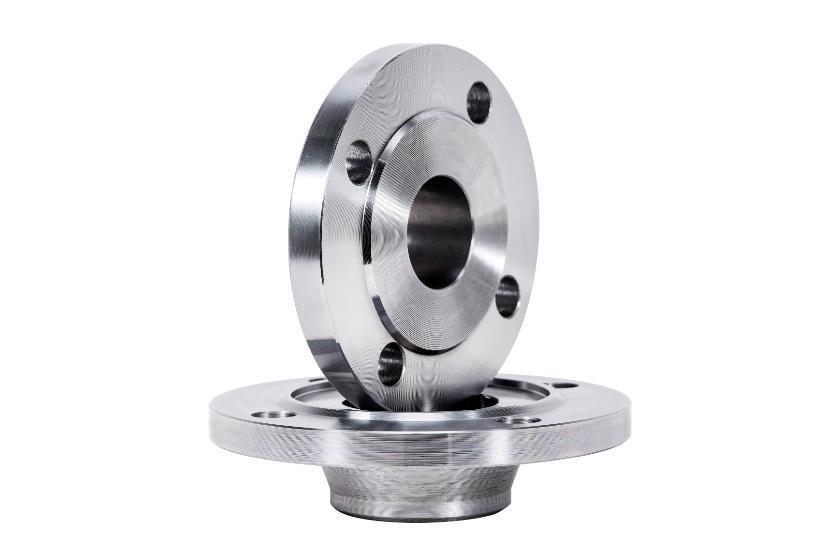
A flange is also known as a flange plate or chemical flange. It is the part that connects a pipe to another pipe at the end of the pipe, with holes on the flange that allow bolts to tightly connect the two flanges. The flange is sealed with a gasket and is a disc-shaped component commonly found in piping engineering. Flanges are used in pairs; in piping engineering, chemical flanges are mainly used for connecting pipes, with a flange plate installed at the end of each pipe that needs to be connected. Threaded flanges can be used for low-pressure pipes, while welded flanges are suitable for pressures above 4 kg. A gasket is added between the two flanges and then tightened with bolts.
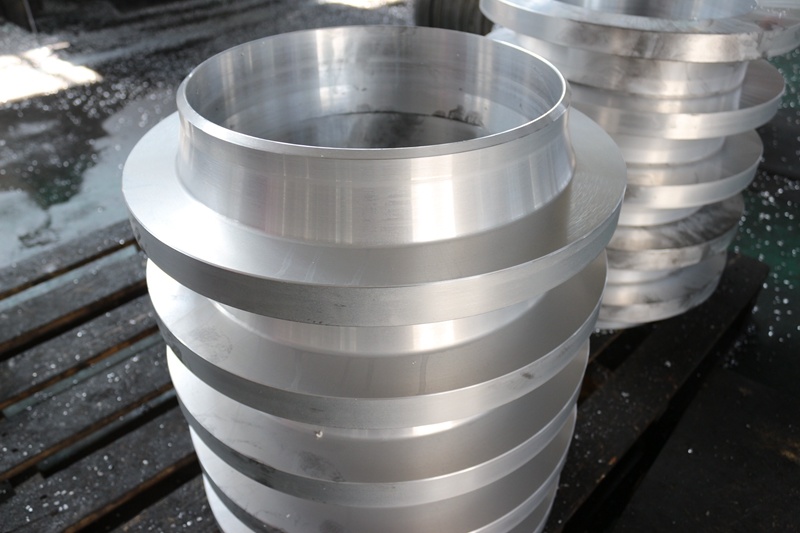
Flange (flange) is also known as flange plate orChemical flange. It connects the pipe to the end of the pipe, with holes on the flange, and bolts tightly connect the two flanges. The flange is sealed with a gasket, and the flange is a disc-shaped part, commonly found in pipeline engineering. Flanges are used in pairs, and in pipeline engineering, chemical flanges are mainly used for pipe connections, with a flange plate installed at the end of each pipe that needs to be connected. Threaded flanges can be used for low-pressure pipelines, while welded flanges can be used for pressures above 4 kg. A gasket is added between the two flanges and then tightened with bolts.
Chemical flanges with different pressures have different thicknesses and use different bolts. When pumps and valves are connected to pipelines, the parts of these devices are also made into corresponding flange shapes, also known as flange connections. All connecting components that are connected by bolts and simultaneously closed at the periphery of two planes are generally referred to as "flanges", such as the connection of ventilation ducts. These parts can be referred to as "flange parts".
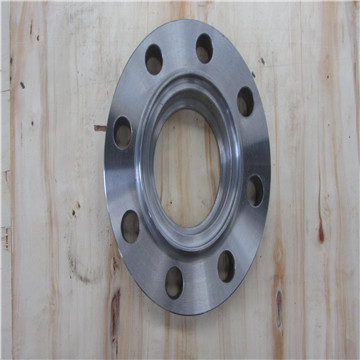
Threaded flange is a type of chemical flange. The threaded flange connection structure is a component consisting of a pair of flanges, several bolts, nuts, and gaskets.
According to different pressure levels, flange gaskets also have different materials, ranging from low-pressure asbestos gaskets, high-pressure asbestos gaskets to metal gaskets.
1. Classified by material: carbon steel, cast steel, alloy steel, stainless steel, copper, aluminum alloy, plastic, argon immersion, PPR, etc.
2. According to the production method, it can be divided into forged flanges, cast flanges, spliced flanges, cut flanges, and rolled flanges (super large).
3. According to manufacturing standards, it can be divided into national standards (Ministry of Chemical Industry standards, petroleum standards, electric power standards, Ministry of Machinery standards, ship standards), American standards, German standards, Japanese standards, Russian standards, etc.
Latest developments
Quality Standards in the Forging of Stainless Steel Products: Ensuring Excellence in Metallurgy
Quality Standards in the Forging of Stainless Steel Products Table of Contents Introduction to Stainless Steel Forging The Importance of Quality Standards in Forging Types of Stainless Steel Used in Forging Common Forging Processes in Stainless Steel Manufacturing Quality Assurance Methodologies in Stainless Steel Forging Testing and Certification of Stainless Steel Products Global
Understanding Non-Standard Flanges: A Key Component in Architectural Applications
Non-standard flanges are specialized components that deviate from conventional sizing and design specifications. Unlike standard flanges, which adhere to established dimensions and pressure ratings, non-standard flanges are custom-made to meet unique project requirements. These flanges are crucial in various architectural and construction applications, particularly when dealing with unconventional
The Importance of Quality Control for Japanese Standard Flanges: Ensuring Durability and Reliability
The Importance of Quality Control for Japanese Standard Flanges In the construction and manufacturing sectors, the significance of quality control cannot be overstated, especially for components as crucial as flanges. Japanese standard flanges, known for their precision and durability, require stringent quality control measures to meet the demands of various applications. This article delves into
Understanding American Standard Flange in Construction and Decoration Materials
American standard flanges are critical components in the field of construction and decorative materials, particularly in piping systems. These flanges adhere to specific standards established by organizations such as the American National Standards Institute (ANSI) and the American Society of Mechanical Engineers (ASME). Their design and specifications are essential for ensuring compatibility and
Exploring the Advantages of Using Threaded Flanges in HVAC Systems
Exploring the Advantages of Using Threaded Flanges in HVAC Systems Table of Contents 1. Introduction to Threaded Flanges in HVAC 2. Understanding Threaded Flanges 3. Benefits of Using Threaded Flanges in HVAC Systems 3.1 Superior Sealing Capability 3.2 Ease of Installation and Maintenance 3.3 Cost-Effectiveness 3.4 Versatility i

The Essential Guide to Flanged Connections in Building and Decorative Materials
Flanged connections are vital components in the construction and decorative materials sector, especially in the context of piping systems and fittings. Understanding their function, design, and application can significantly enhance the efficiency and reliability of installations. A flanged connection involves two flanges, which are flat pieces of material with holes for bolts. These flanges are bo
Shandong Xinhao Forging Co.,Ltd.
Tel:+86-15098858482
WeChat: 543983004
Email:xinhaoflange@gmail.com
Whatsapp:8615098858482
Website:www.xhflange.com

TikTok