

The difference between flat welding flanges and butt welding flanges!
Release time:
2021-05-06
What is the difference between flat welding flanges and butt welding flanges? Today, let's learn about it together!
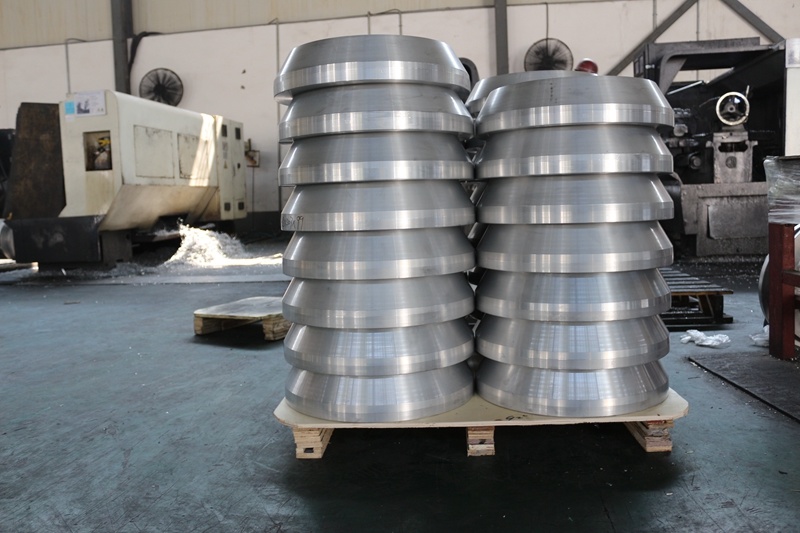
What is the difference between flat welding flanges and butt welding flanges? Today, let's learn about it together!
Various typesExport flangeFeatures:
1. Socket welding flanges are suitable for small diameter, high voltage, and high temperature pipelines.
2. Flat welding, like butt welding, has a boss, with a groove opened on the boss, and then the pipe is inserted for welding.
3. Socket welding does not have a boss; a groove is directly opened on the flange body, similar to opening a hole on a blind flange, and then a groove is opened.
4. Flat welding is slightly better than socket welding.
During resistance welding, the two workpieces are always under pressure. When the end face temperature reaches the welding temperature Tω, the distance between the end faces of the two workpieces decreases to a few angstroms, and the atomic interactions between the end faces create common grains at the joint, thus forming the weld. There are two welding cycles in resistance welding: isostatic and forging enhancement. The former has a simple pressure mechanism and is easy to implement. However, employing the electric top forging process can yield better welding quality. To ensure the plastic deformation of the alloy butt welds and further enhance the joint quality, the electric top forging process should be adopted.
When performing resistance butt welding on export flanges, the two workpieces should have the same end face shape and size to ensure that the heating deformation of the workpieces is consistent with the plastic deformation. The end faces of the workpieces, as well as the surfaces in contact with the chuck, must be strictly cleaned. Oxides and dirt on the ends will directly affect the quality of the seam. The oxide scale and dirt on the surface of the workpieces in contact with the clamps will increase the contact resistance, exacerbate the wear of the workpiece surface at the jaws, and increase power loss.
Latest developments
Quality Standards in the Forging of Stainless Steel Products: Ensuring Excellence in Metallurgy
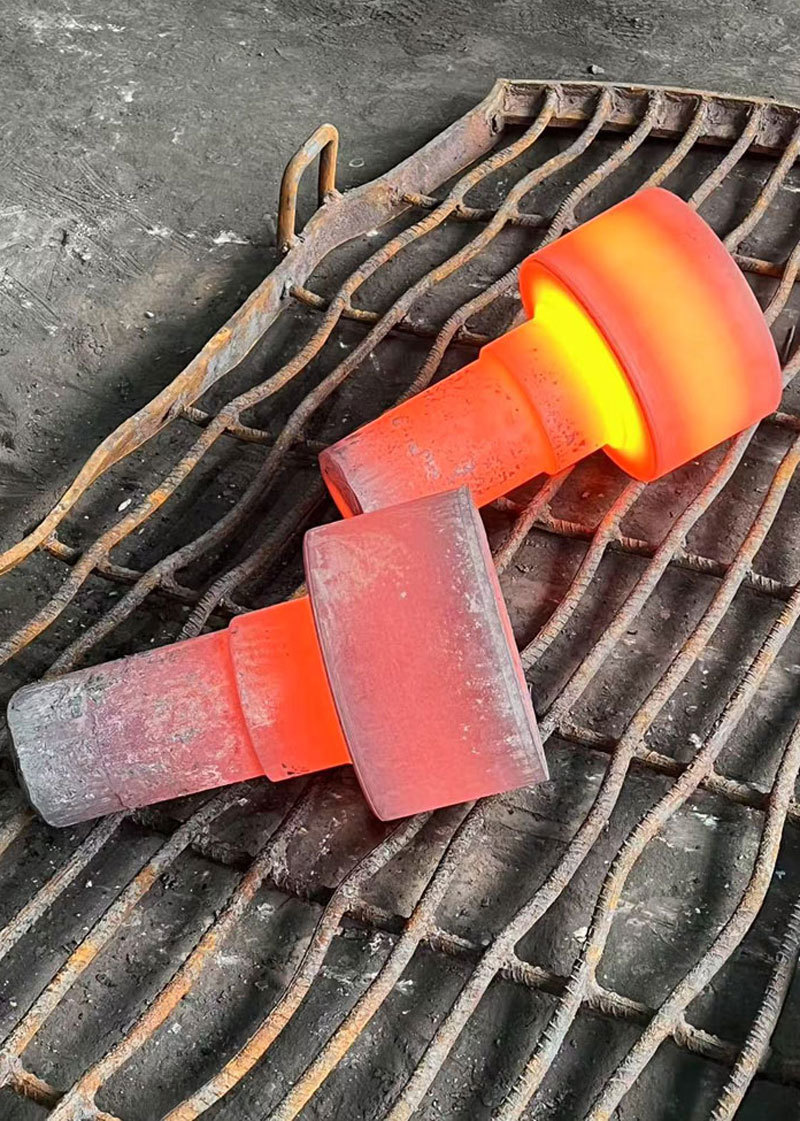
Quality Standards in the Forging of Stainless Steel Products Table of Contents Introduction to Stainless Steel Forging The Importance of Quality Standards in Forging Types of Stainless Steel Used in Forging Common Forging Processes in Stainless Steel Manufacturing Quality Assurance Methodologies in Stainless Steel Forging Testing and Certification of Stainless Steel Products Global
Understanding Non-Standard Flanges: A Key Component in Architectural Applications
Non-standard flanges are specialized components that deviate from conventional sizing and design specifications. Unlike standard flanges, which adhere to established dimensions and pressure ratings, non-standard flanges are custom-made to meet unique project requirements. These flanges are crucial in various architectural and construction applications, particularly when dealing with unconventional
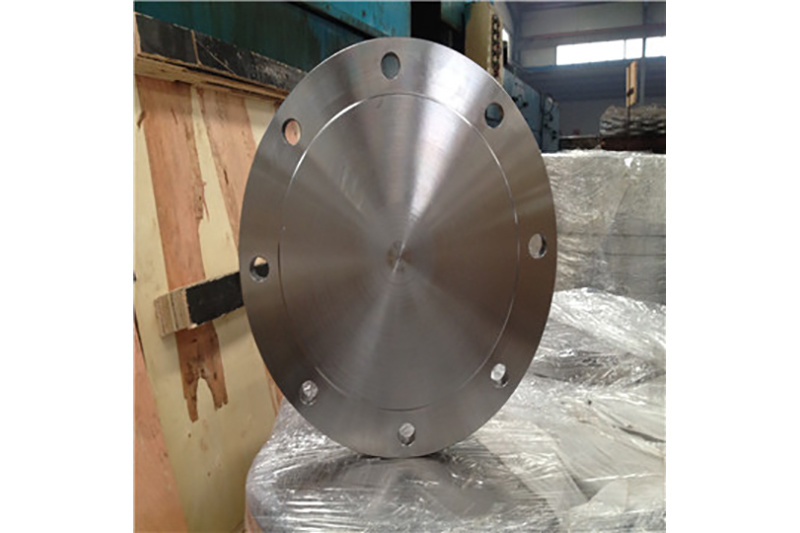
The Importance of Quality Control for Japanese Standard Flanges: Ensuring Durability and Reliability
The Importance of Quality Control for Japanese Standard Flanges In the construction and manufacturing sectors, the significance of quality control cannot be overstated, especially for components as crucial as flanges. Japanese standard flanges, known for their precision and durability, require stringent quality control measures to meet the demands of various applications. This article delves into
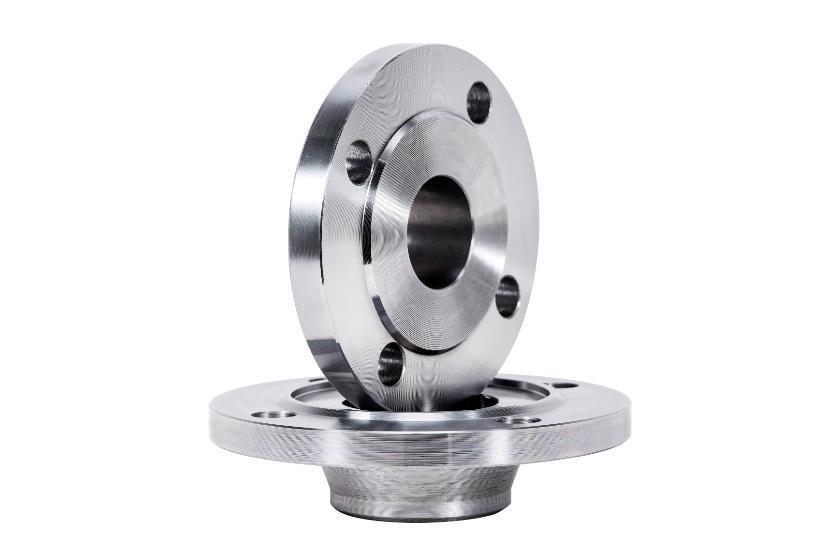
Understanding American Standard Flange in Construction and Decoration Materials
American standard flanges are critical components in the field of construction and decorative materials, particularly in piping systems. These flanges adhere to specific standards established by organizations such as the American National Standards Institute (ANSI) and the American Society of Mechanical Engineers (ASME). Their design and specifications are essential for ensuring compatibility and
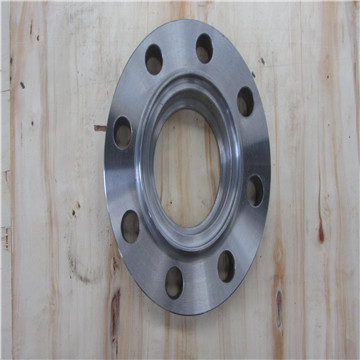
Exploring the Advantages of Using Threaded Flanges in HVAC Systems
Exploring the Advantages of Using Threaded Flanges in HVAC Systems Table of Contents 1. Introduction to Threaded Flanges in HVAC 2. Understanding Threaded Flanges 3. Benefits of Using Threaded Flanges in HVAC Systems 3.1 Superior Sealing Capability 3.2 Ease of Installation and Maintenance 3.3 Cost-Effectiveness 3.4 Versatility i

The Essential Guide to Flanged Connections in Building and Decorative Materials
Flanged connections are vital components in the construction and decorative materials sector, especially in the context of piping systems and fittings. Understanding their function, design, and application can significantly enhance the efficiency and reliability of installations. A flanged connection involves two flanges, which are flat pieces of material with holes for bolts. These flanges are bo
Shandong Xinhao Forging Co.,Ltd.
Tel:+86-15098858482
WeChat: 543983004
Email:xinhaoflange@gmail.com
Whatsapp:8615098858482
Website:www.xhflange.com

TikTok