

Key Features of Japanese Standard Flanges You Should Know
Release time:
2026-07-29
Key Features of Japanese Standard Flanges You Should Know Table of Contents 1. Introduction to Japanese Standard Flanges 2. Importance of Flanges in Construction 3. Design Specifications of Japanese Standard Flanges 4. Material Types Used in Japanese Standard Flanges 5. The Manufacturing Process of Japanese Standard Flanges 6. Standards and Certifications for Japanese Flan
Key Features of Japanese Standard Flanges You Should Know
Table of Contents
- 1. Introduction to Japanese Standard Flanges
- 2. Importance of Flanges in Construction
- 3. Design Specifications of Japanese Standard Flanges
- 4. Material Types Used in Japanese Standard Flanges
- 5. The Manufacturing Process of Japanese Standard Flanges
- 6. Standards and Certifications for Japanese Flanges
- 7. Inspection and Testing of Japanese Standard Flanges
- 8. Applications of Japanese Standard Flanges
- 9. Conclusion
- 10. FAQs
1. Introduction to Japanese Standard Flanges
Japanese standard flanges are integral components in piping systems across various industries. Their unique characteristics and robust design make them a preferred choice for engineers and contractors alike. Understanding the key features of these flanges not only enhances project efficiency but also ensures safety and reliability in installations.
2. Importance of Flanges in Construction
Flanges serve as crucial joining mechanisms in pipelines, allowing for easy assembly and disassembly. They provide the flexibility to connect pipes, valves, pumps, and other equipment. In construction, the role of flanges cannot be overstated—they help maintain the integrity of the system while facilitating maintenance and repairs.
Advantages of Using Japanese Standard Flanges
Using Japanese standard flanges presents several advantages:
- **High Quality:** Manufactured to strict quality standards, ensuring durability and performance.
- **Versatility:** Applicable in various sectors, including oil and gas, water supply, and chemical processing.
- **Ease of Installation:** Simplifies the assembly of piping systems, reducing labor costs and time.
3. Design Specifications of Japanese Standard Flanges
The design of Japanese standard flanges adheres to specific dimensions and pressure ratings defined by Japanese Industrial Standards (JIS). These specifications ensure compatibility with other components and consist of critical features such as:
Dimensions
The dimensions of flanges, including diameter and thickness, are crucial for ensuring a proper fit. Japanese standard flanges are available in various sizes, typically specified in millimeters, and are designed to match the corresponding pipe sizes.
Pressure Ratings
Japanese standard flanges come with various pressure ratings, which indicate their ability to withstand internal pressure. Common ratings include JIS 5K, 10K, and 20K, reflecting the flange's pressure tolerance under different operating conditions.
4. Material Types Used in Japanese Standard Flanges
The materials used in the manufacturing of Japanese standard flanges significantly influence their performance and longevity. The most common materials include:
Carbon Steel
Carbon steel flanges are favored for their strength and durability, making them suitable for various applications, particularly in low-temperature environments.
Stainless Steel
Stainless steel flanges are resistant to corrosion and rust, ideal for industries that deal with aggressive substances or operate in marine environments.
Alloy Steel
Alloy steel flanges possess enhanced mechanical properties, offering superior performance under high temperature and pressure conditions.
5. The Manufacturing Process of Japanese Standard Flanges
The manufacturing of Japanese standard flanges involves several steps to ensure they meet stringent quality standards:
Forging
The forging process involves shaping the metal at high temperatures, enhancing its strength and durability. This is a critical step in producing high-quality flanges.
Machining
After forging, flanges undergo machining processes to achieve precise dimensions and surface finishes. This step is crucial for ensuring compatibility with other piping components.
Heat Treatment
Heat treatment processes further enhance the mechanical properties of the flanges, ensuring they can withstand operational stresses.
6. Standards and Certifications for Japanese Flanges
Compliance with industry standards and certifications is vital for ensuring the safety and reliability of Japanese standard flanges. The most recognized standards include:
Japanese Industrial Standards (JIS)
JIS establishes the benchmarks for quality and performance, ensuring that flanges meet the necessary requirements for various applications.
ISO Certifications
International Organization for Standardization (ISO) certifications signify that manufacturers adhere to global quality standards, providing assurance to customers regarding the reliability of the products.
7. Inspection and Testing of Japanese Standard Flanges
Inspection and testing are essential processes in the manufacturing of Japanese standard flanges, ensuring their quality and performance.
Visual Inspection
Visual inspections are conducted to identify any surface defects or irregularities that may affect the flange's performance.
Non-Destructive Testing (NDT)
NDT methods, such as ultrasonic or radiographic testing, are employed to detect internal flaws without damaging the flanges.
Pressure Testing
Pressure testing verifies the flange's ability to withstand operational pressures, ensuring safety and reliability in service.
8. Applications of Japanese Standard Flanges
Japanese standard flanges find applications across diverse industries due to their reliability and performance. Some notable applications include:
Oil and Gas Industry
Flanges are critical components in oil and gas pipelines, providing secure connections that withstand harsh conditions.
Water Supply Systems
In municipal water supply systems, flanges facilitate the connection of pipelines, valves, and fittings, ensuring the efficient distribution of water.
Chemical Processing
Flanges used in chemical processing plants must resist corrosive substances, making materials like stainless steel essential for safe operations.
9. Conclusion
Japanese standard flanges play a vital role in various industries, providing reliable connections in piping systems. Their unique features, including stringent design specifications, high-quality materials, and compliance with international standards, ensure that they meet the demands of modern construction and manufacturing. Understanding these key characteristics can help engineers and contractors make informed decisions, ultimately leading to safer and more efficient projects.
10. FAQs
What are Japanese standard flanges?
Japanese standard flanges are components used to connect pipes, valves, and equipment in various industries, adhering to specific design and manufacturing standards set by Japanese Industrial Standards (JIS).
What materials are commonly used for Japanese standard flanges?
Common materials include carbon steel, stainless steel, and alloy steel, each selected based on the application's requirements.
How are Japanese standard flanges tested for quality?
They undergo visual inspection, non-destructive testing (NDT), and pressure testing to ensure their reliability and performance.
What are the advantages of using Japanese standard flanges?
They offer high quality, versatility, and ease of installation, making them suitable for various applications across multiple industries.
In what industries are Japanese standard flanges commonly used?
They are widely used in the oil and gas industry, water supply systems, and chemical processing plants, thanks to their robust and reliable design.
Previous
Latest developments
Key Features of Japanese Standard Flanges You Should Know
Key Features of Japanese Standard Flanges You Should Know Table of Contents 1. Introduction to Japanese Standard Flanges 2. Importance of Flanges in Construction 3. Design Specifications of Japanese Standard Flanges 4. Material Types Used in Japanese Standard Flanges 5. The Manufacturing Process of Japanese Standard Flanges 6. Standards and Certifications for Japanese Flan
Understanding American Standard Flanges: Essential Insights for Construction and Decoration
When it comes to piping systems in construction and decoration, American standard flanges play a pivotal role in ensuring secure connections between pipes and other components. These flanges are designed in accordance with the American National Standards Institute (ANSI) specifications, which means they conform to a set of established guidelines that guarantee quality and compatibility. American s
The Versatility of Threaded Flanges in Different Industries
The Versatility of Threaded Flanges in Different Industries Introduction to Threaded Flanges Threaded flanges are critical components in piping systems, widely recognized for their ability to create strong, leak-proof connections. Their unique design allows them to be easily installed and removed, providing flexibility in various applications. This article delves into the numerous advantages o
Understanding Flanged Connections: Essential Insights for Construction and Decoration Materials
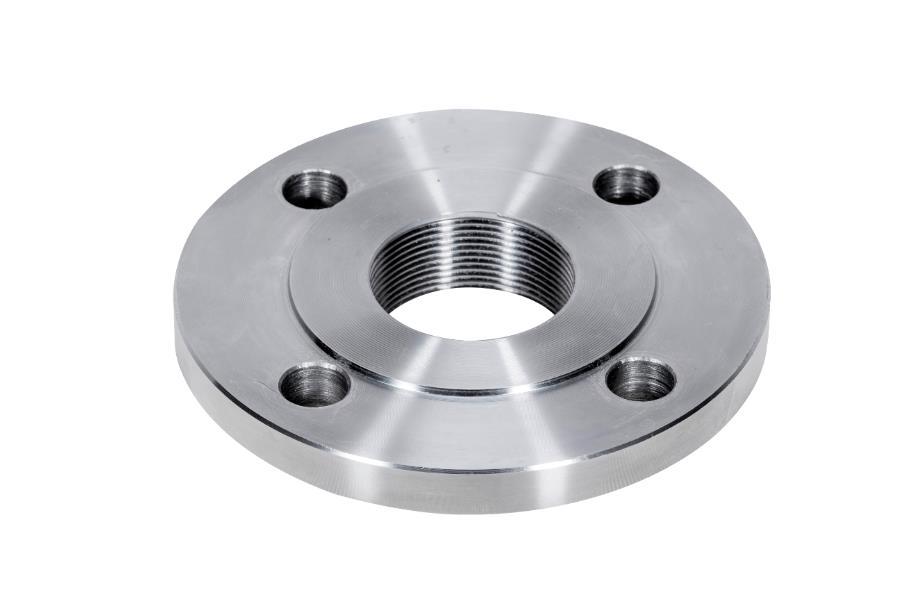
Flanged connections are a pivotal component in the construction and decoration materials sector, particularly when it comes to piping and fittings. Understanding their functionality and applications can significantly enhance the efficiency and reliability of your projects. A flanged connection involves the joining of two pieces of equipment or piping through a flange, which is a protruding rim or

Debunking Myths About Sliding Flanges in the Construction Industry
Debunking Myths About Sliding Flanges in the Construction Industry Introduction to Sliding Flanges In the realm of construction and piping systems, **sliding flanges** stand out as crucial components. Their applications extend across various industries, from oil and gas to water treatment. Despite their importance, several myths surround these flanges, leading to misunderstandings that can affect
Understanding High Neck Flanges: A Key Component in Construction and Decorative Materials
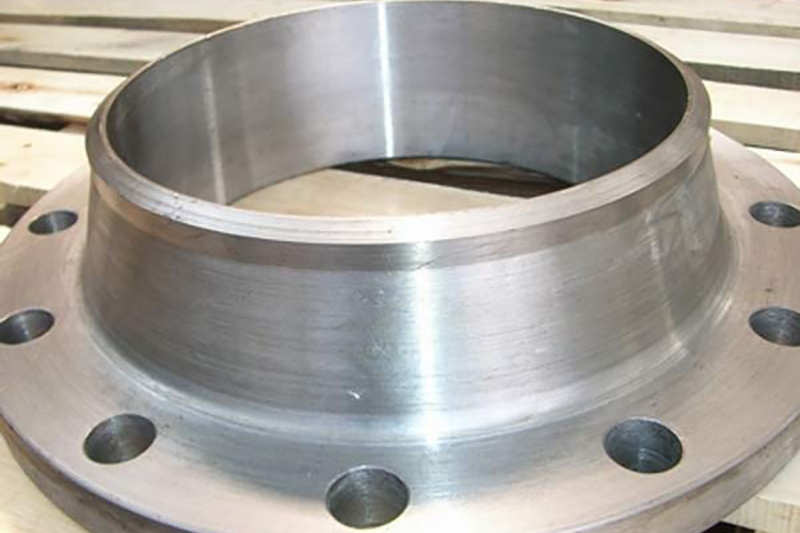
High neck flanges are essential components in various piping applications, particularly within the construction and decorative materials sector. These flanges are designed with an extended neck, allowing for a more robust connection between pipes. This design feature enhances the overall strength of the joint and minimizes the risk of leaks and failures, making them a preferred choice in demanding
Shandong Xinhao Forging Co.,Ltd.
Tel:+86-15098858482
WeChat: 543983004
Email:xinhaoflange@gmail.com
Whatsapp:8615098858482
Website:www.xhflange.com

TikTok