

The difference between hot forging and cold forging
Release time:
2020-06-30
The difference between hot forging and cold forging
Hot ForgingHot forging is carried out above the metal recrystallization temperature. Increasing the temperature can improve the plasticity of the metal, which is beneficial for enhancing the intrinsic quality of the workpiece, making it less prone to cracking. High temperatures can also reduce the resistance to deformation of the metal, lowering the tonnage required for the forging machinery. However, the hot forging process is complex, the precision of the workpiece is poor, the surface is not smooth, and the forgings are prone to oxidation, decarburization, and burning. Hot forging is used when processing large and thick workpieces, and when the material has high strength and low plasticity (such as in the rolling of extra-thick plates, elongation of high-carbon steel bars, etc.). When metals (such as lead, tin, zinc, copper, aluminum, etc.) have sufficient plasticity and the amount of deformation is not large (as in most stamping processes), or when the total amount of deformation is large and the forging process used (such as extrusion, radial forging, etc.) is conducive to the plastic deformation of the metal, hot forging is often not used, and cold forging is adopted instead. To maximize the amount of forging work done in one heating, the temperature range between the starting forging temperature and the final forging temperature should be as large as possible. However, if the starting forging temperature is too high, it can cause excessive grain growth in the metal, leading to overheating, which will reduce the quality of the forged part. When the temperature approaches the melting point of the metal, intergranular low-melting-point substances may melt and intergranular oxidation may occur, resulting in burning. Burned blanks often fracture during forging. The commonly used hot forging temperatures are: carbon steel 800–1250°C; alloy structural steel 850–1150°C; high-speed steel 900–1100°C; commonly used aluminum alloys 380–500°C; titanium alloys 850–1000°C; brass 700–900°C.
Cold ForgingCold forging is carried out below the metal recrystallization temperature. The term cold forging usually refers specifically to forging at room temperature, while forging at temperatures above room temperature but not exceeding the recrystallization temperature is referred to as warm forging. Warm forging has higher precision, smoother surfaces, and lower resistance to deformation.Workpieces formed by cold forging at room temperature have high shape and dimensional accuracy, smooth surfaces, fewer processing steps, and are conducive to automated production. Many cold-forged and cold-stamped parts can be used directly as components or products without the need for further machining. However, during cold forging, due to the low plasticity of the metal, cracking is likely to occur during deformation, and the resistance to deformation is high, requiring large-tonnage forging machinery.
Latest developments
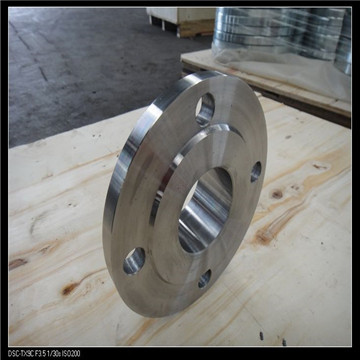
Threaded Flanges: The Unsung Heroes of Pipeline Systems
Threaded Flanges: The Unsung Heroes of Pipeline Systems Table of Contents 1. Introduction to Threaded Flanges 2. What Are Threaded Flanges? 3. Benefits of Using Threaded Flanges 4. Types of Threaded Flanges 5. Applications of Threaded Flanges 6. Installation and Maintenance of Threaded Flanges 7. Common Mistakes to Avoid with Threaded Flanges 8. Comparison with Other Types of Flan

Understanding Flanged Connections: Essential Insights for Construction and Decor Materials
Flanged connections are critical components in various piping systems, widely utilized in the construction and decorative materials sector, specifically concerning fittings and flanges. Understanding the fundamentals of flanged connections is essential for ensuring the integrity and performance of piping systems. At its core, a flanged connection consists of two flat surfaces, or flanges, that are

The Connection Between Sliding Flanges and Structural Integrity Introduction In the realm of construction and industrial applications, the integrity of structures is paramount. Understanding the connection between **sliding flanges** and structural integrity is essential for engineers, architects, and contractors alike. **Sliding flanges** serve as critical components that enhance the adaptability
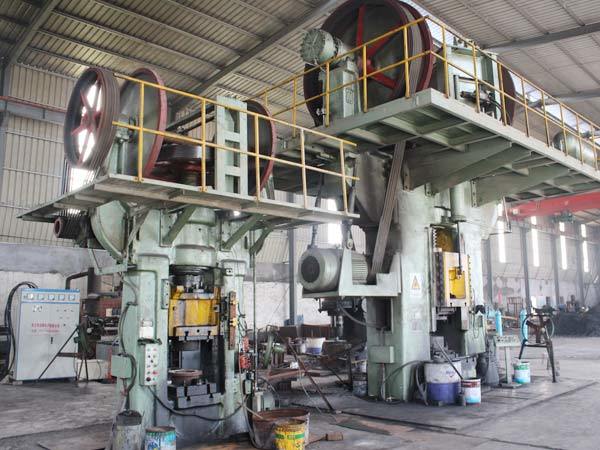
Why Forged Stainless Steel is the Preferred Choice in Oil & Gas: A Comprehensive Analysis
Why Forged Stainless Steel is the Preferred Choice in Oil & Gas Introduction to Forged Stainless Steel in the Oil & Gas Industry The oil and gas sector operates in some of the harshest environments known to man, where equipment must withstand extreme temperatures, high pressures, and corrosive substances. In this context, **forged stainless steel** emerges as a crucial material, offering unparal
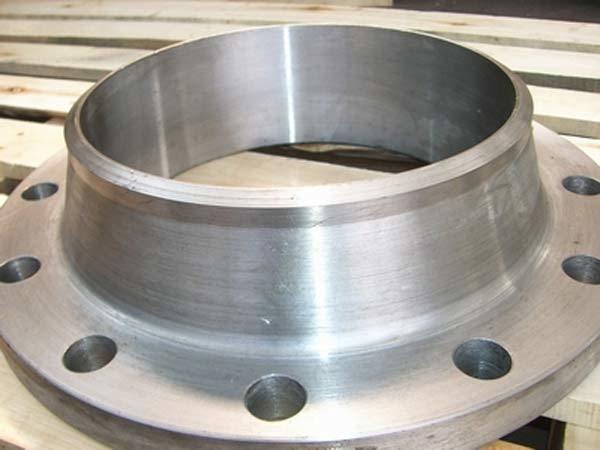
Understanding High Neck Flanges: Essential Components for Efficient Pipeline Systems
High neck flanges, also known as long neck flanges, are critical components used in the joining of pipes and fittings in various industrial applications. Their design features an extended neck that provides a greater distance between the flange face and the pipe. This unique characteristic makes high neck flanges an essential choice for many engineering and construction projects. One of the primar

Flat Flanges in Water Supply Systems: Ensuring Reliability and Performance
Flat Flanges in Water Supply Systems: Ensuring Reliability and Performance Table of Contents Introduction to Flat Flanges Benefits of Flat Flanges in Water Supply Systems Understanding Flat Flange Specifications Installation Process for Flat Flanges Maintenance Practices for Flat Flanges Common Issues with Flat Flanges and Solutions Flat Flanges vs. Other Flange Types
Shandong Xinhao Forging Co.,Ltd.
Tel:+86-15098858482
WeChat: 543983004
Email:xinhaoflange@gmail.com
Whatsapp:8615098858482
Website:www.xhflange.com

TikTok